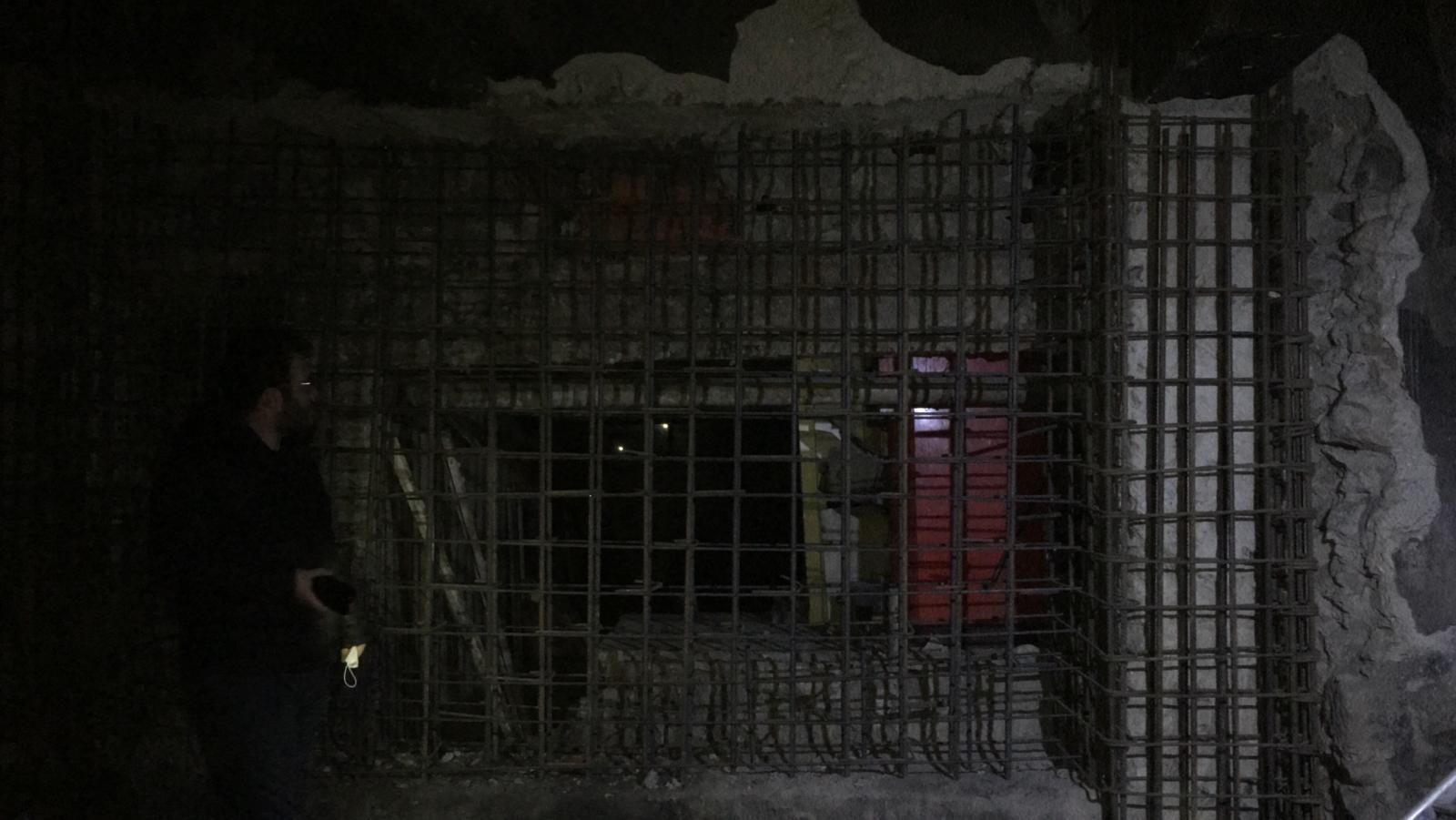
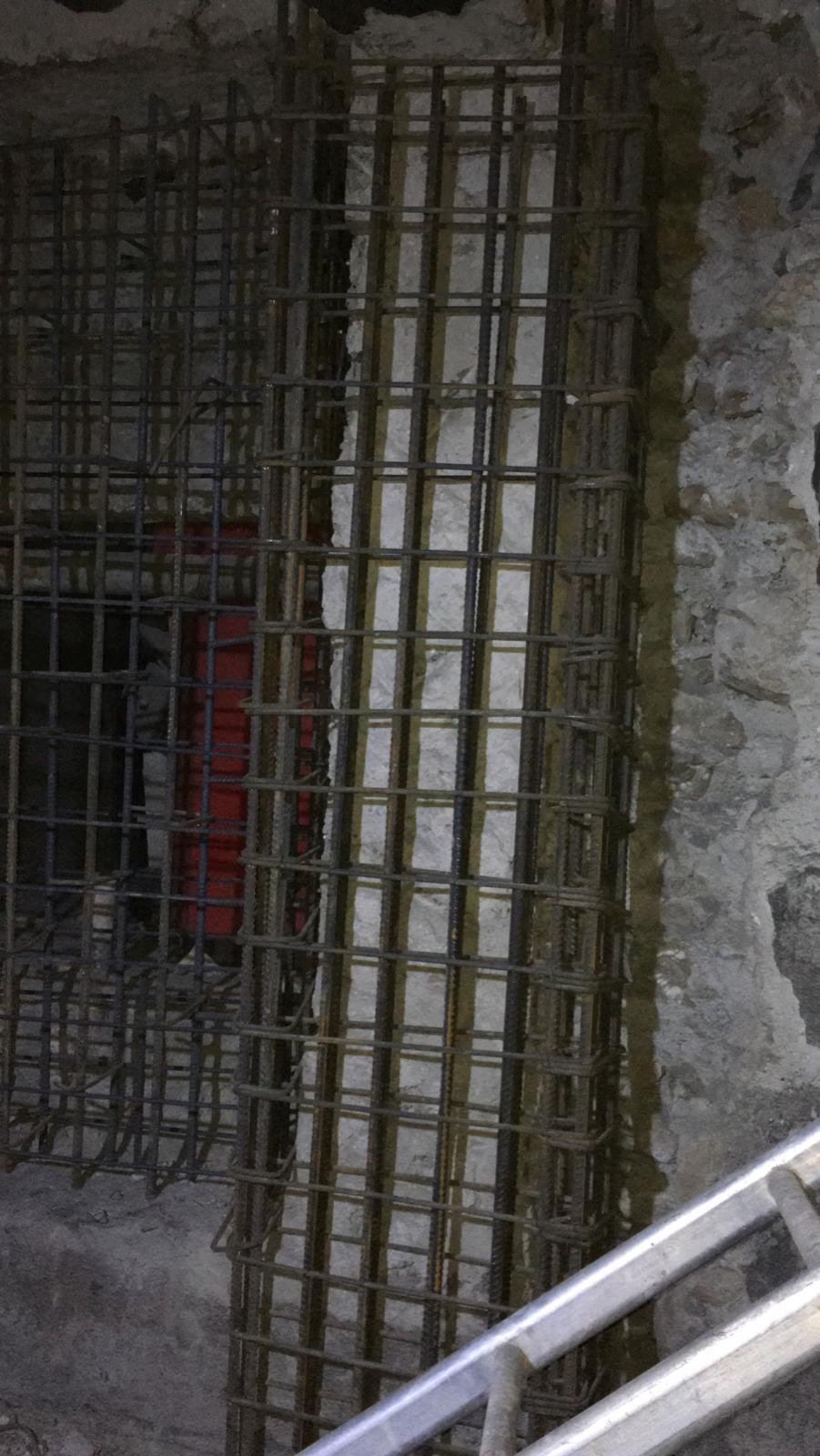
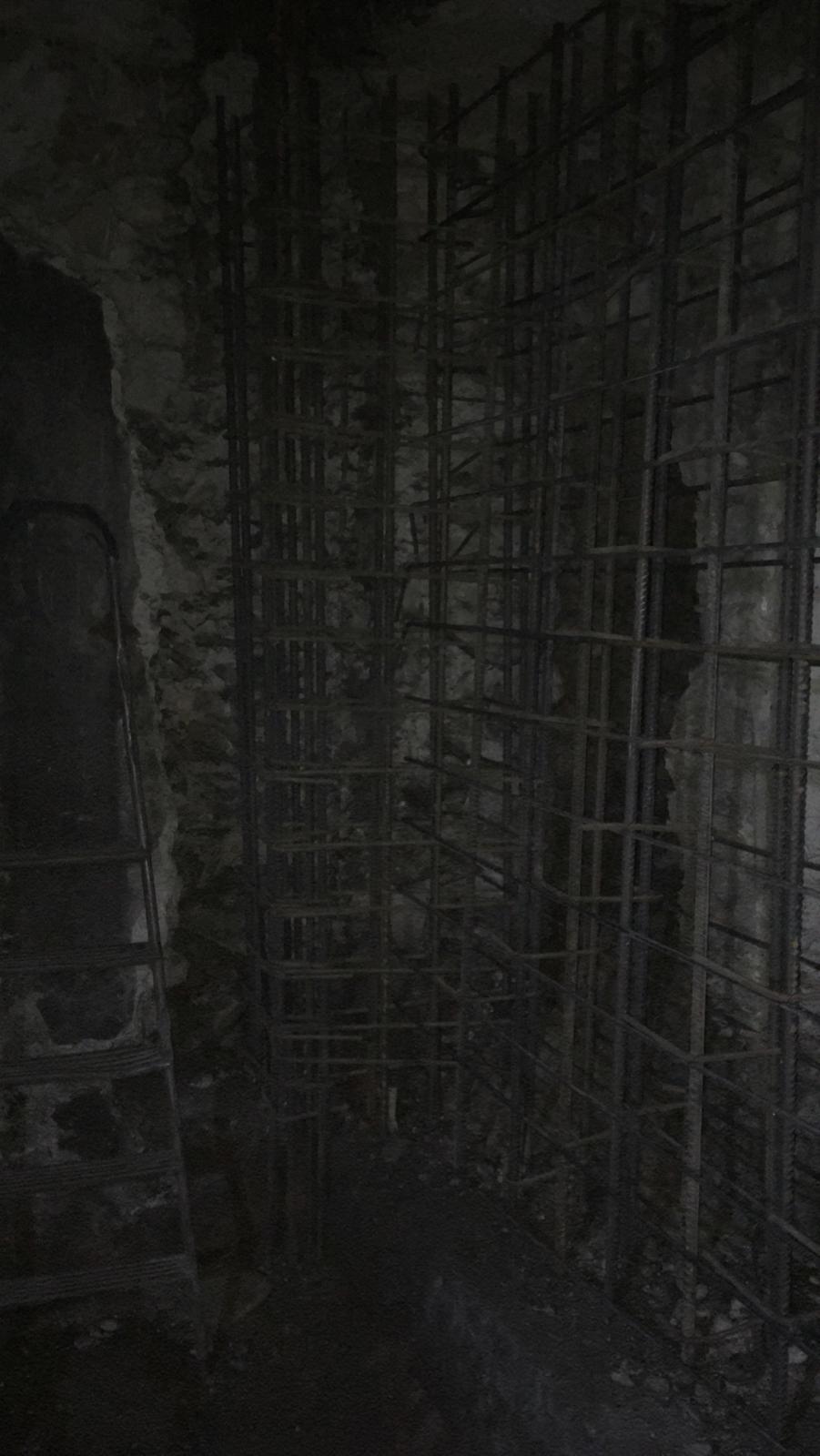
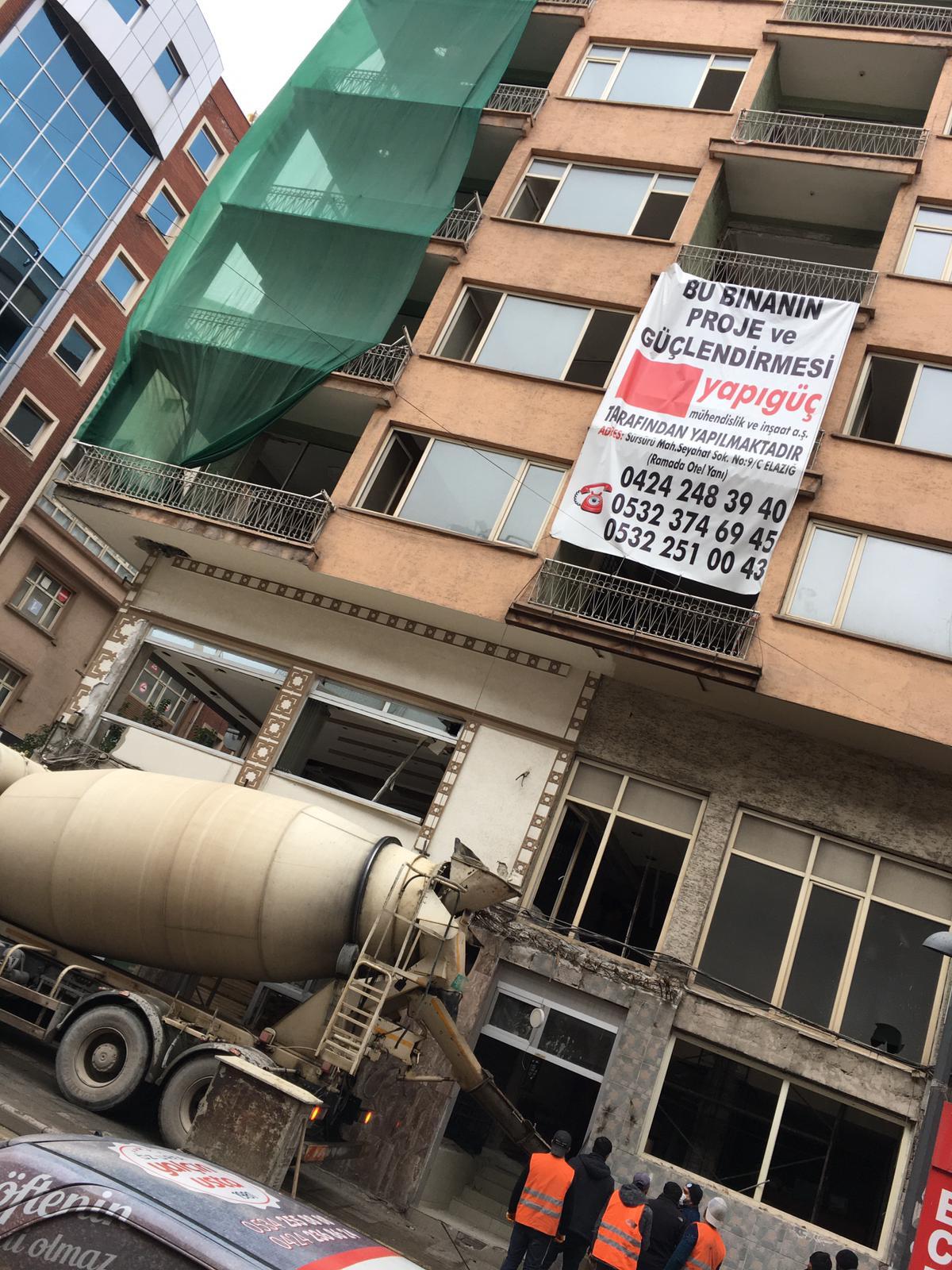
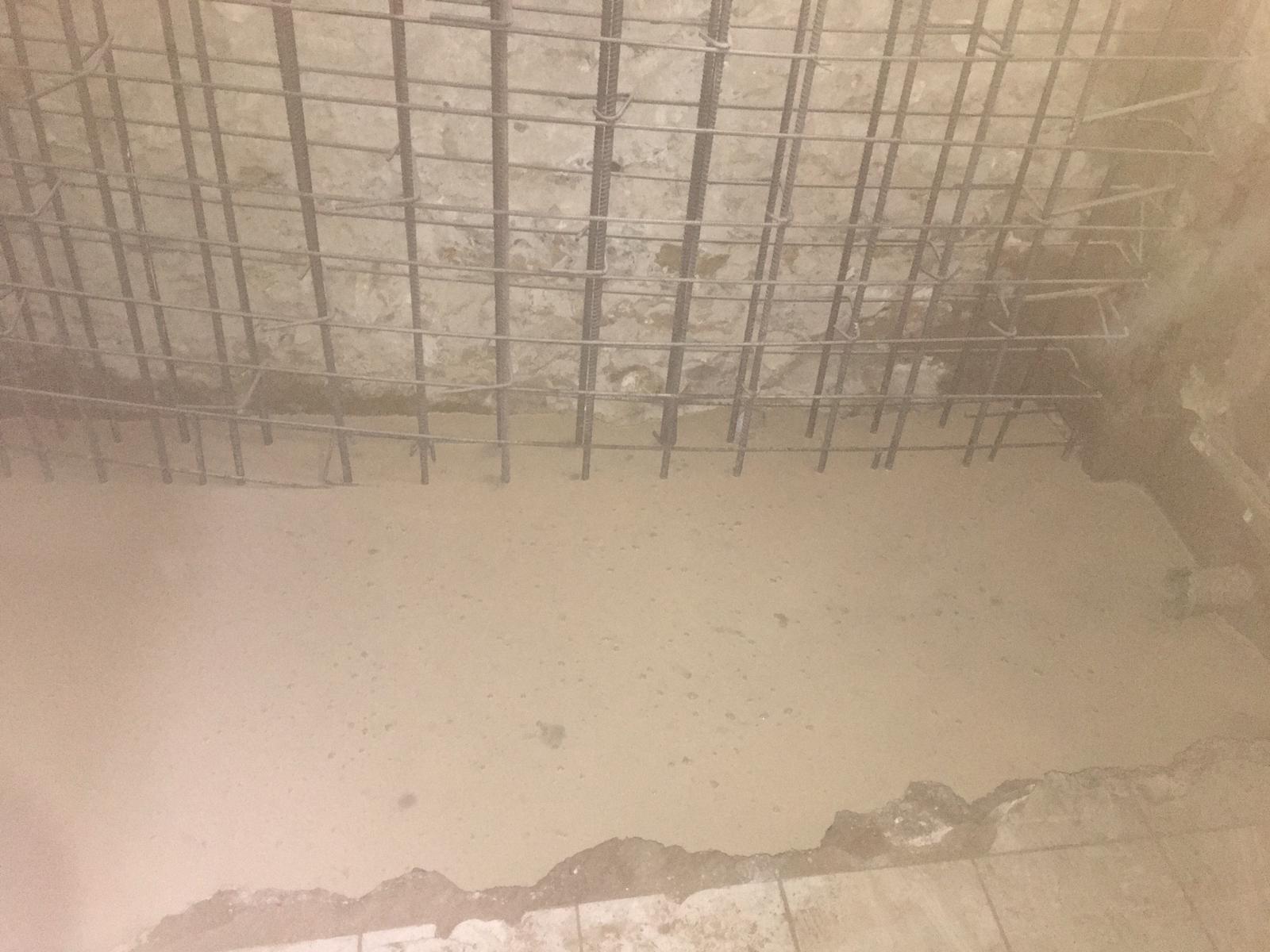
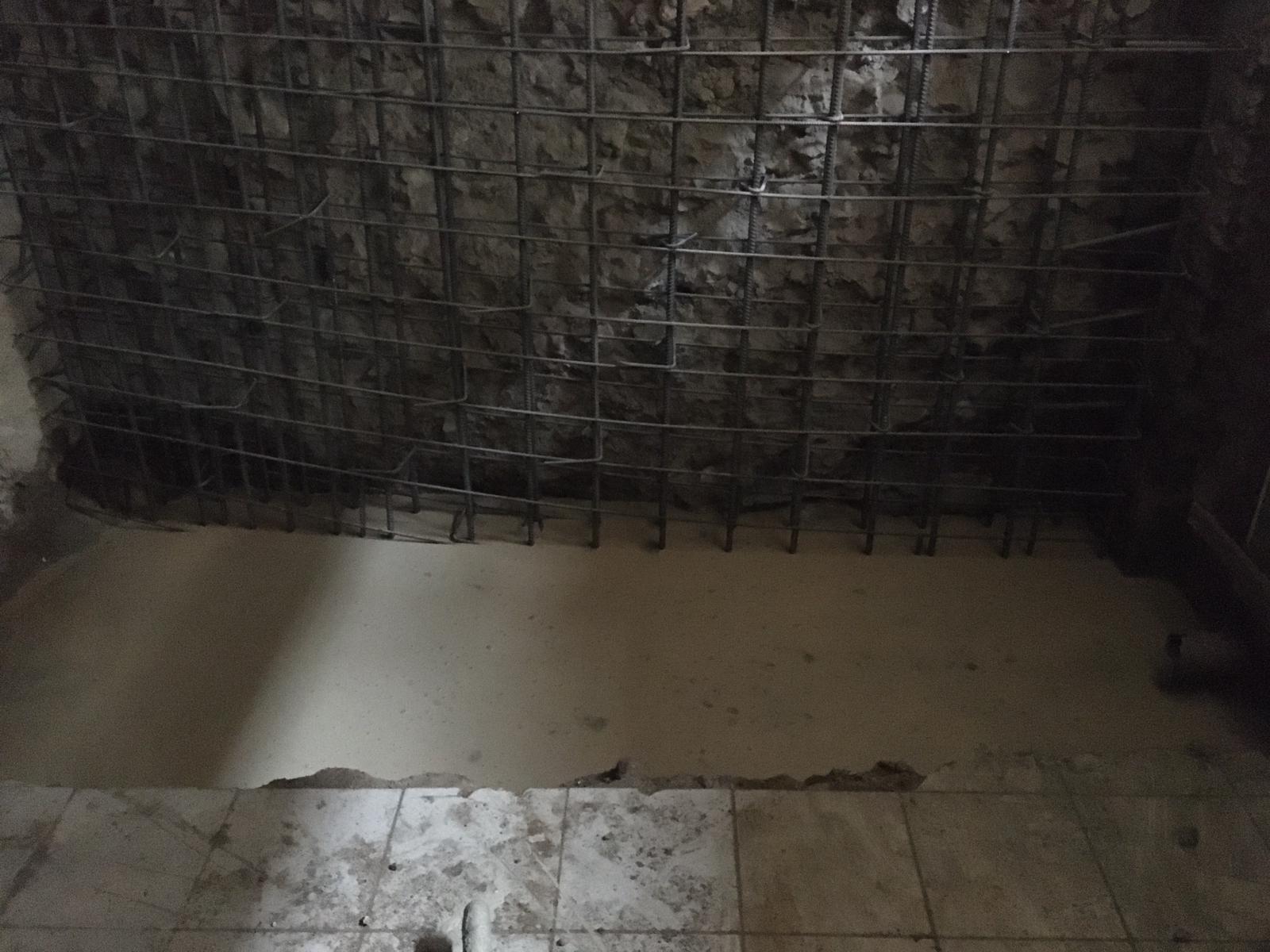
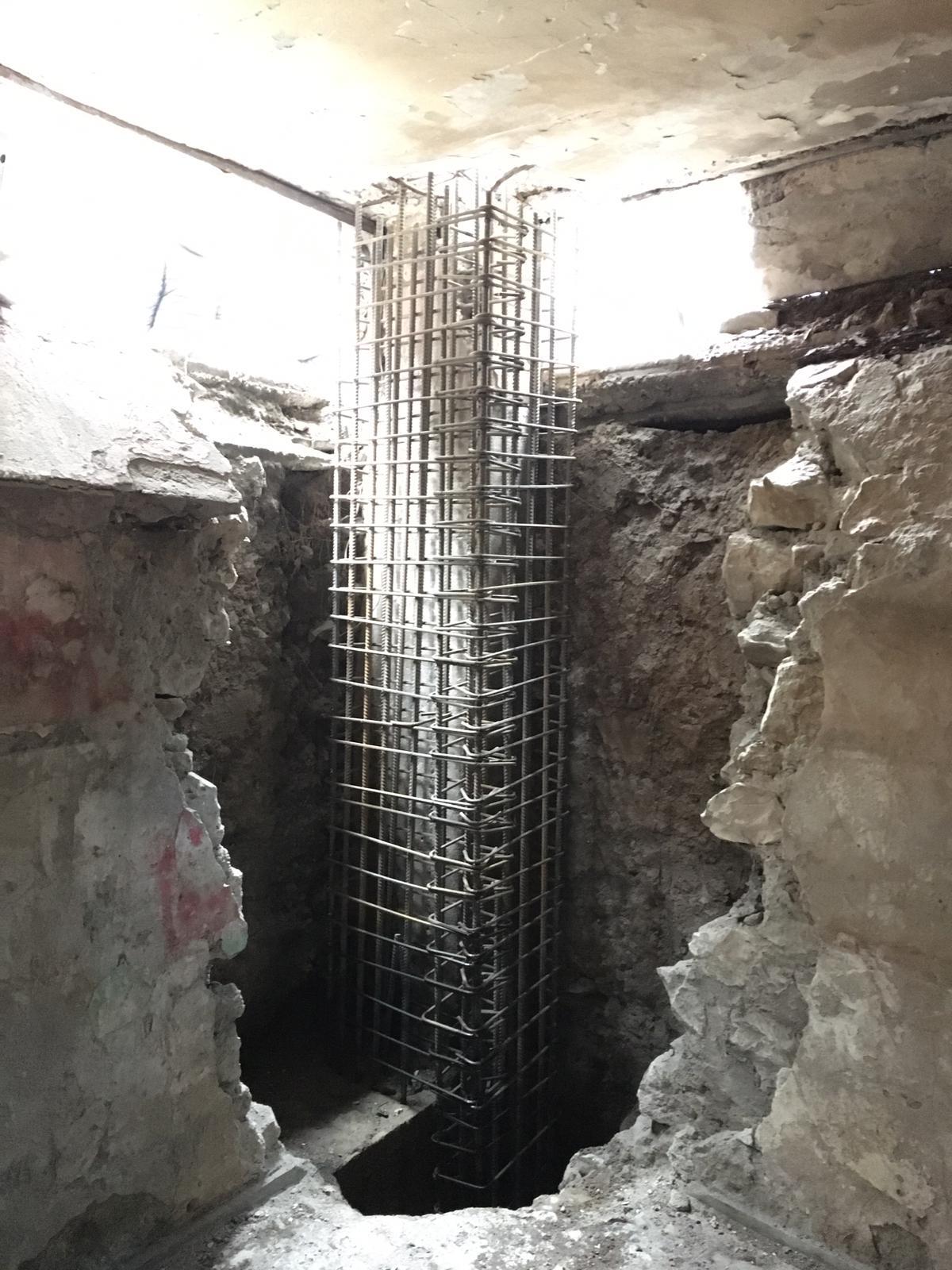
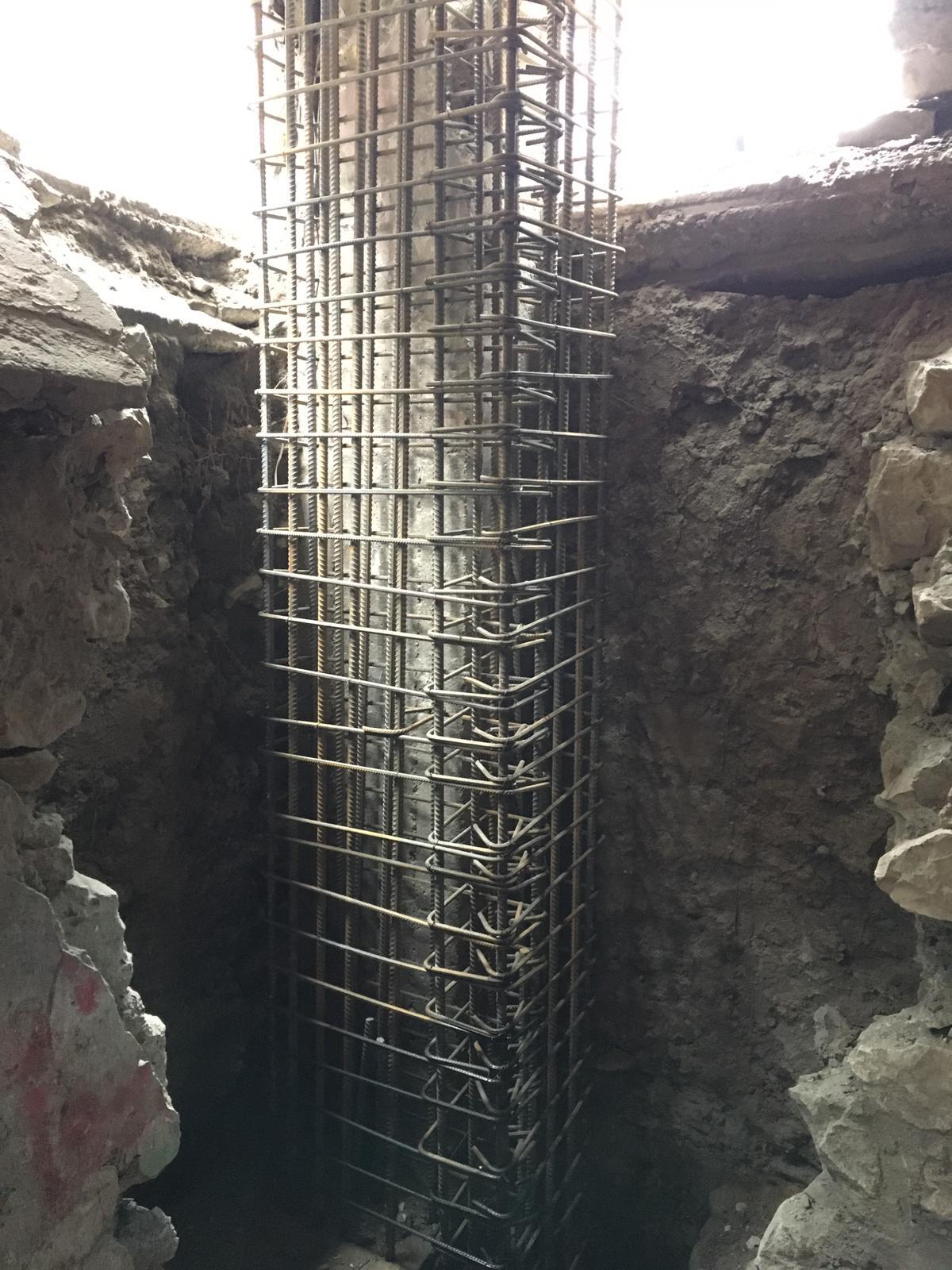
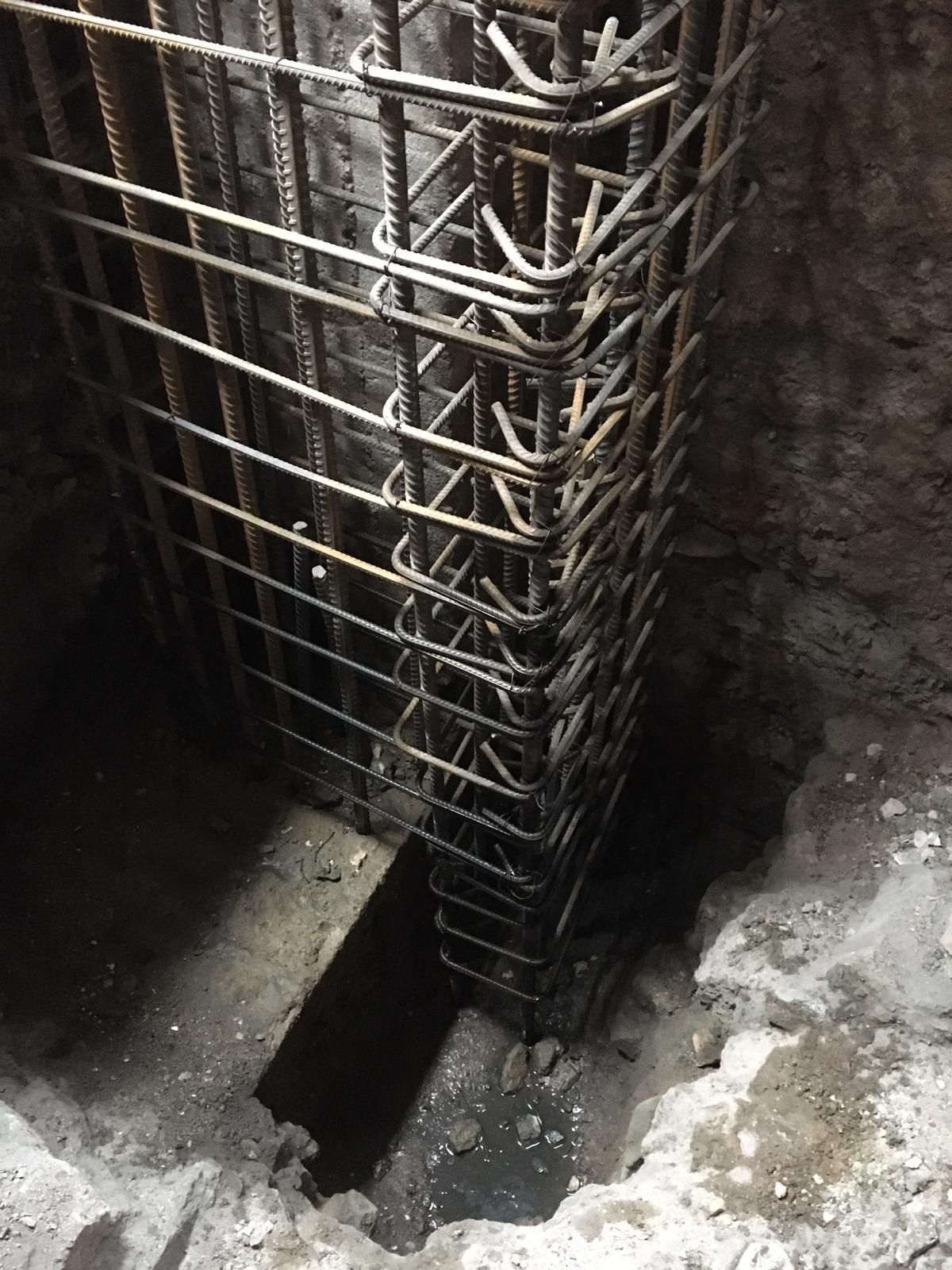
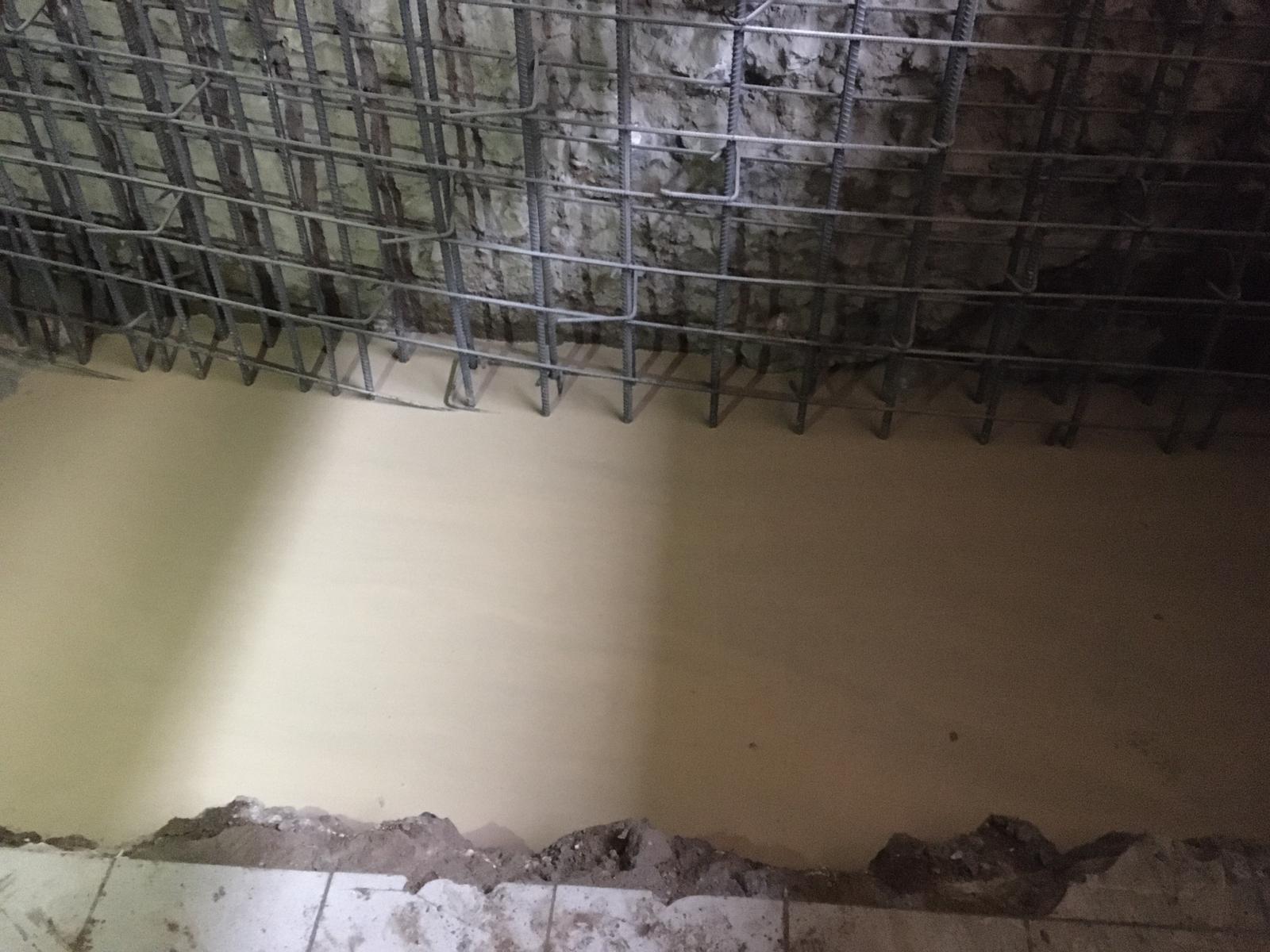
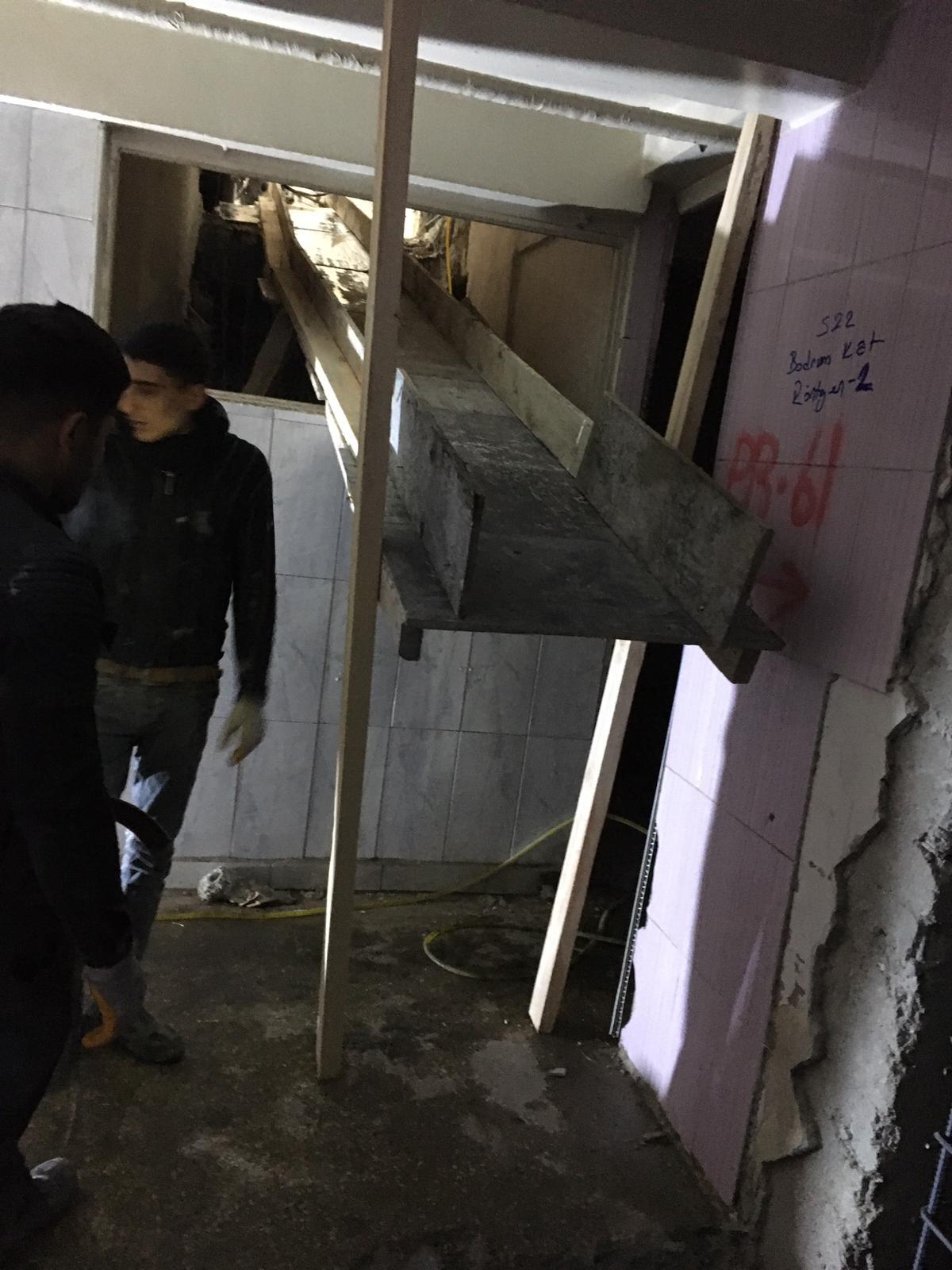
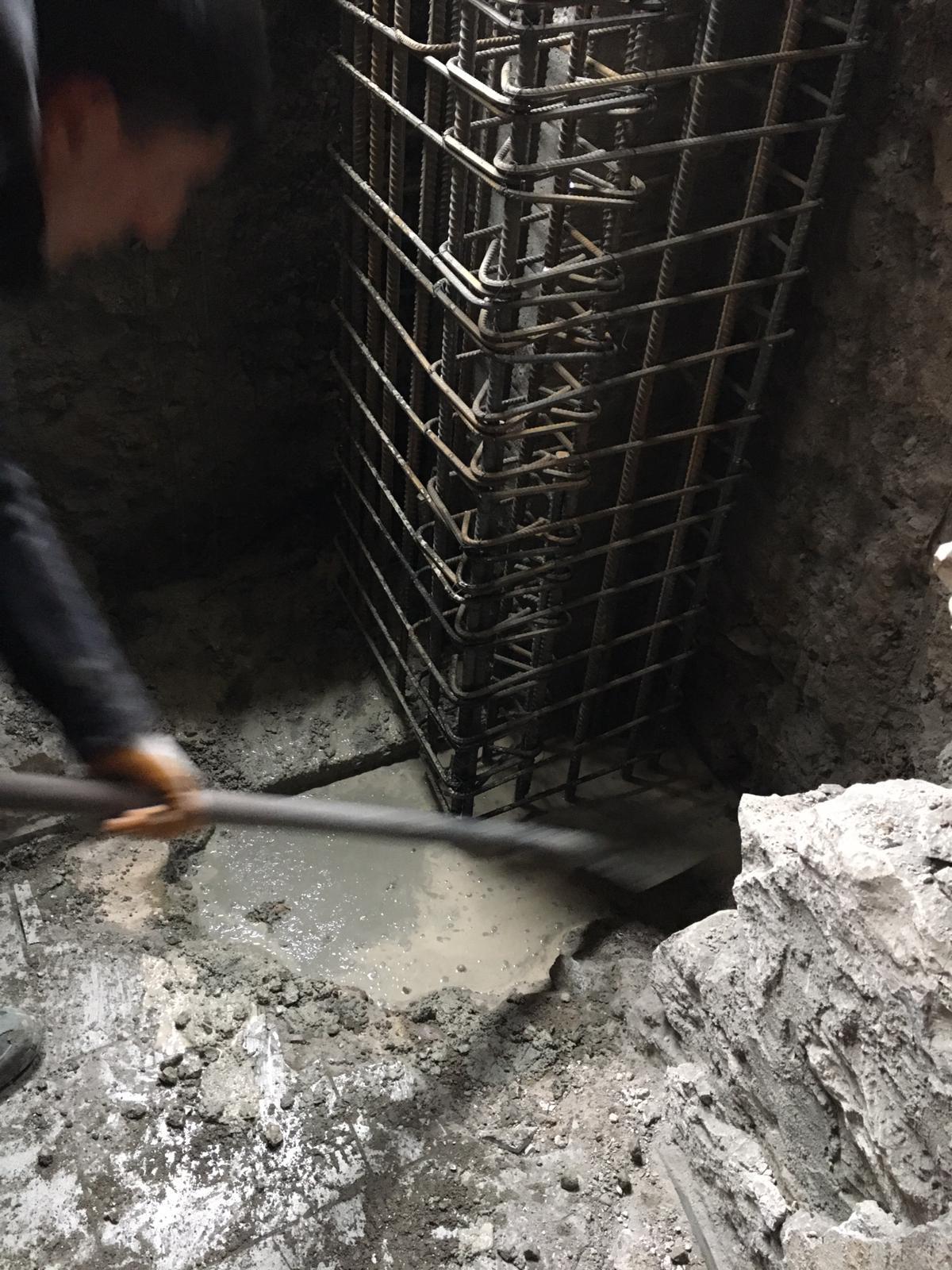
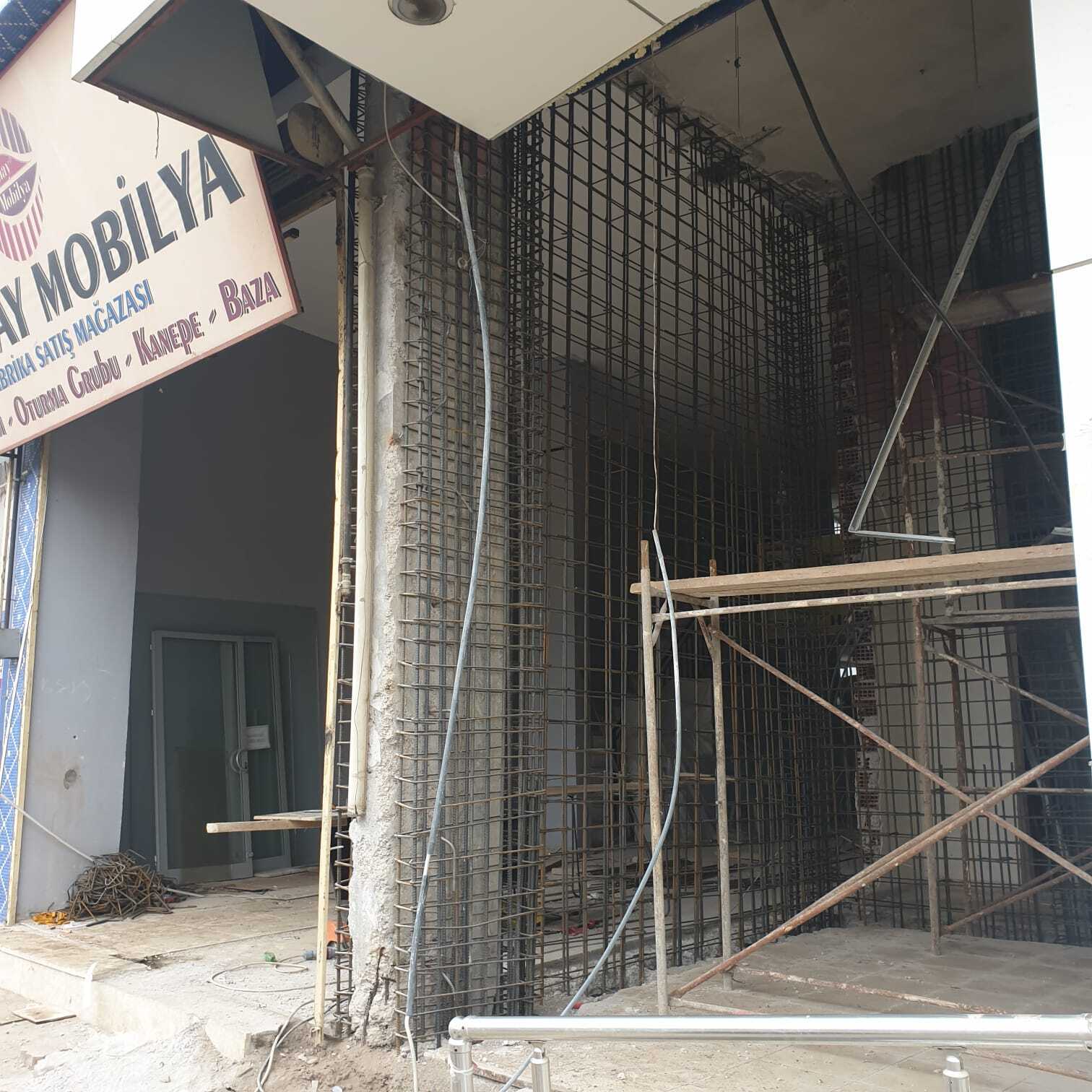
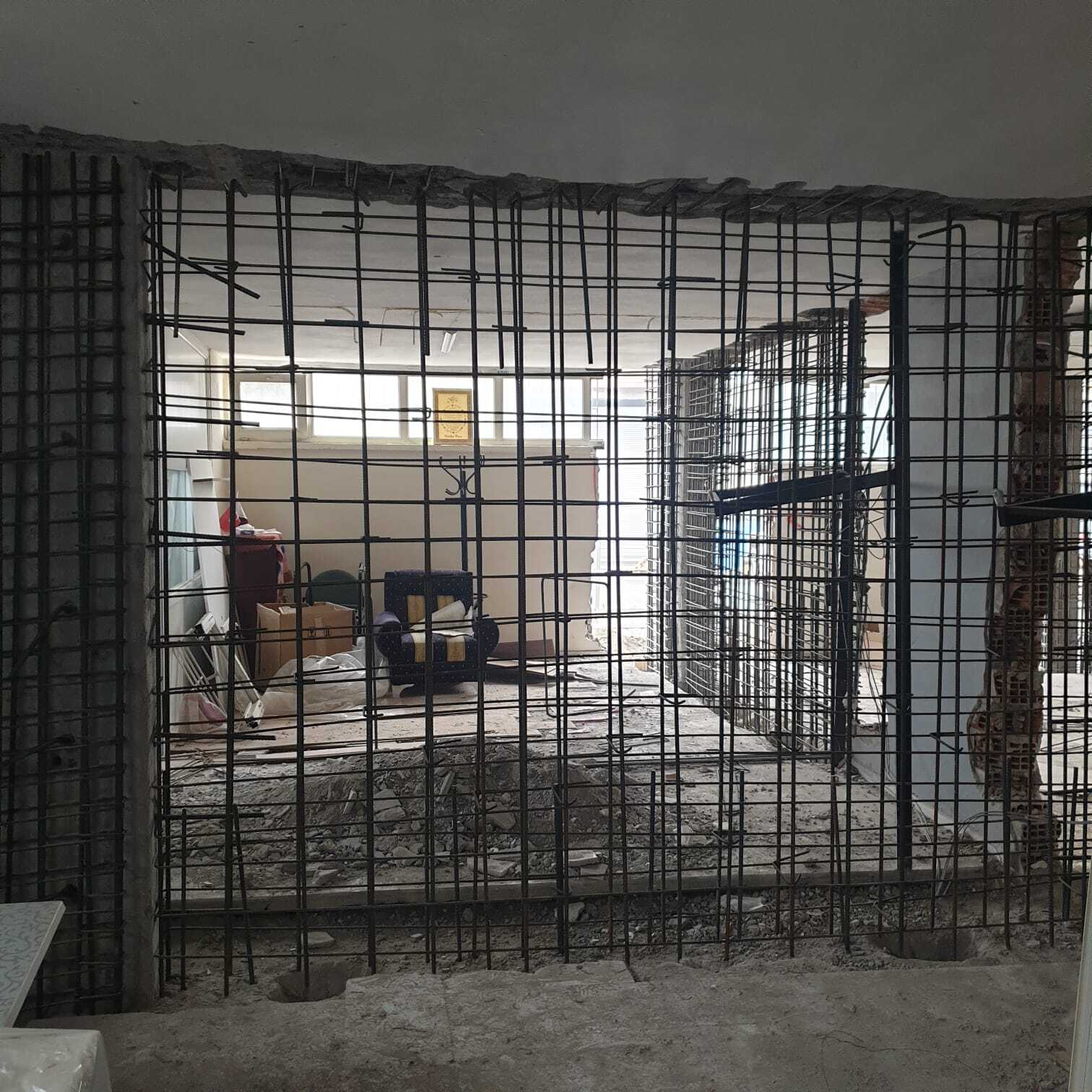
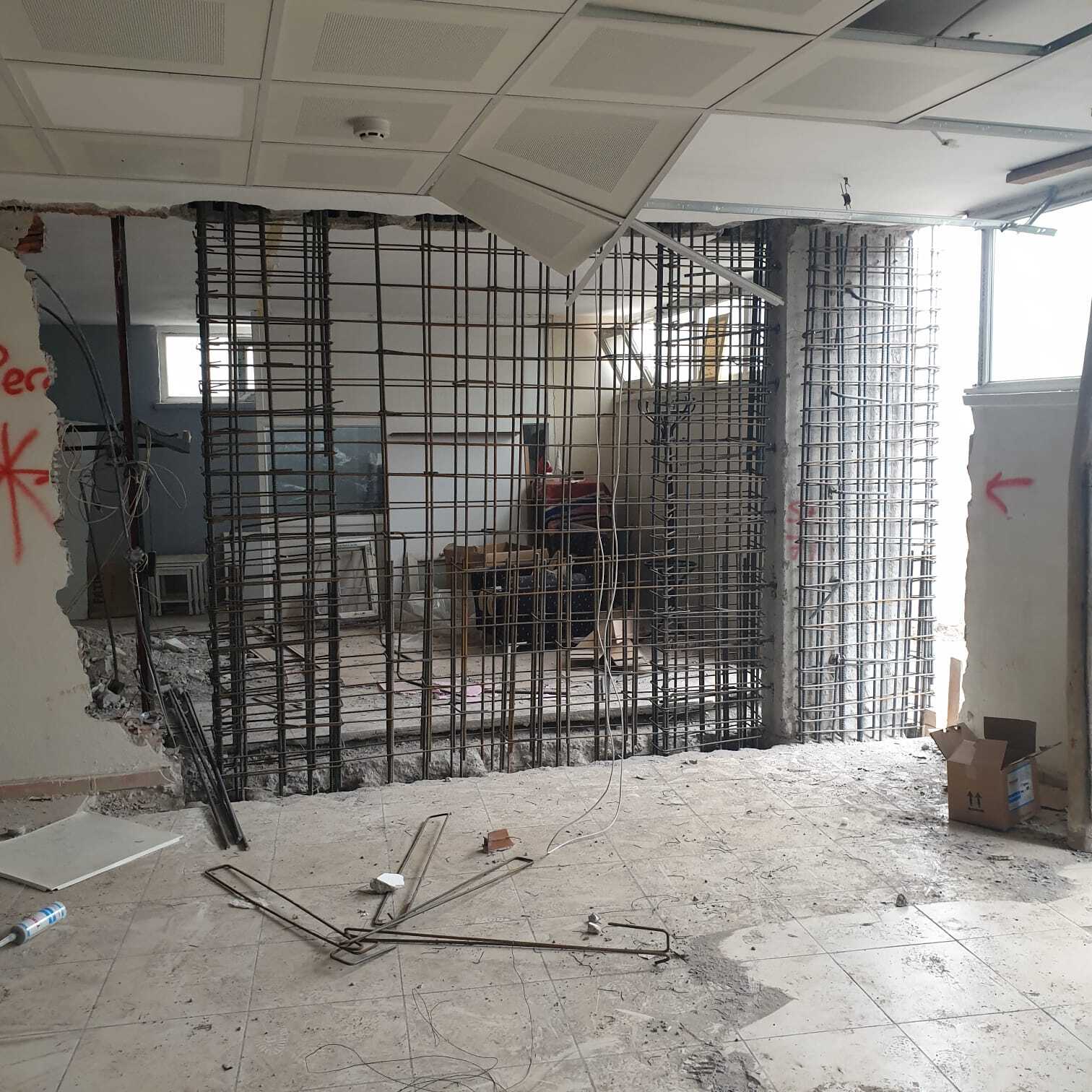
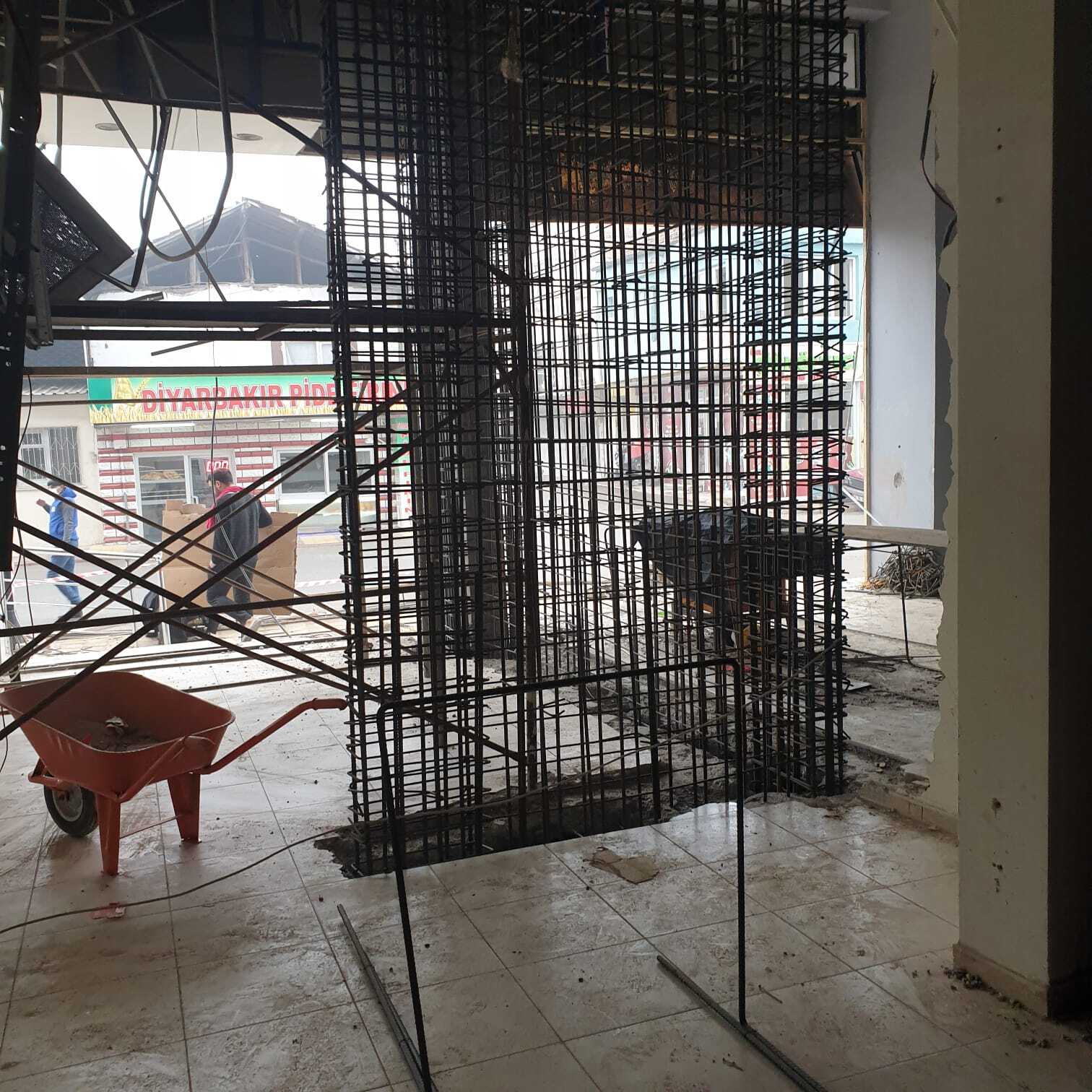
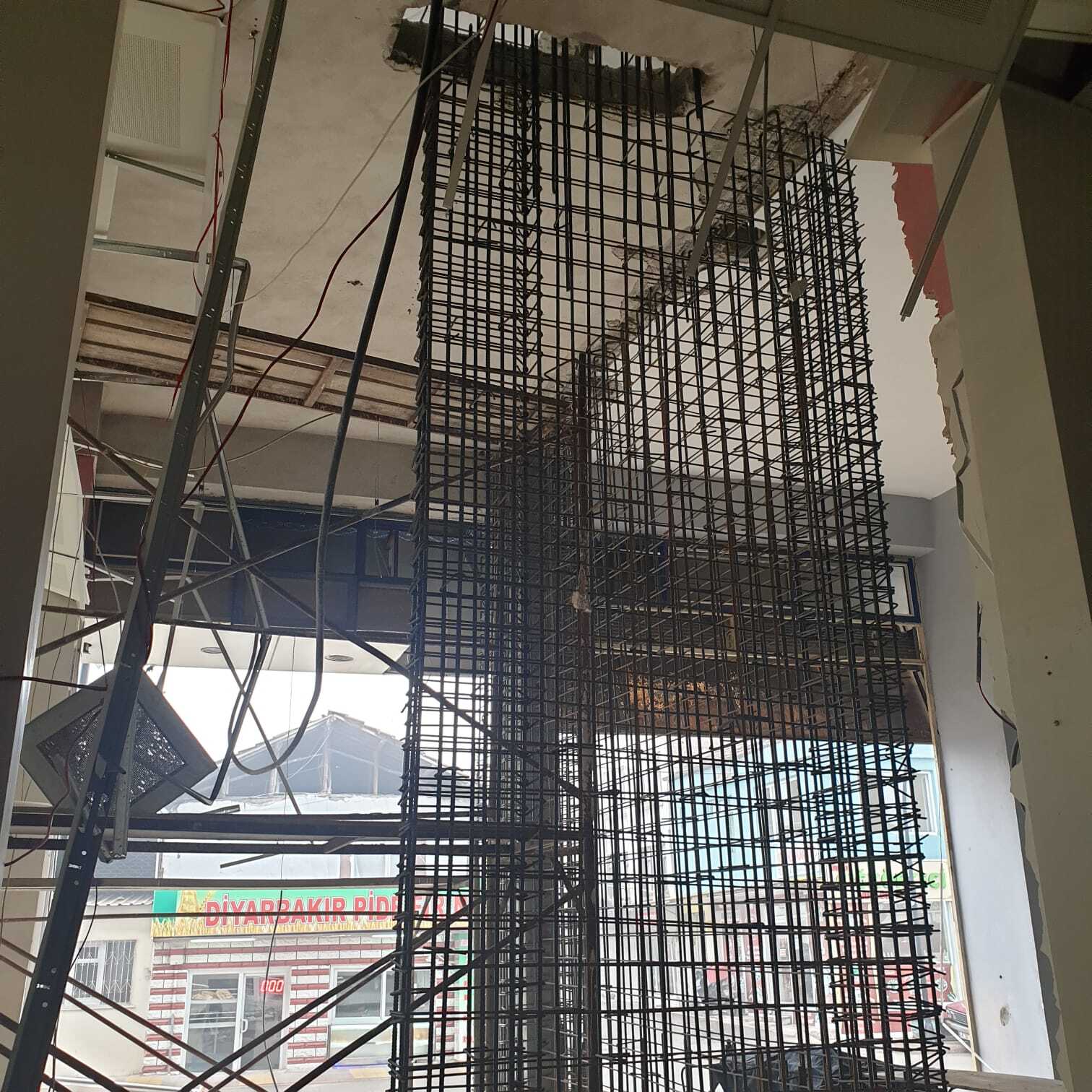
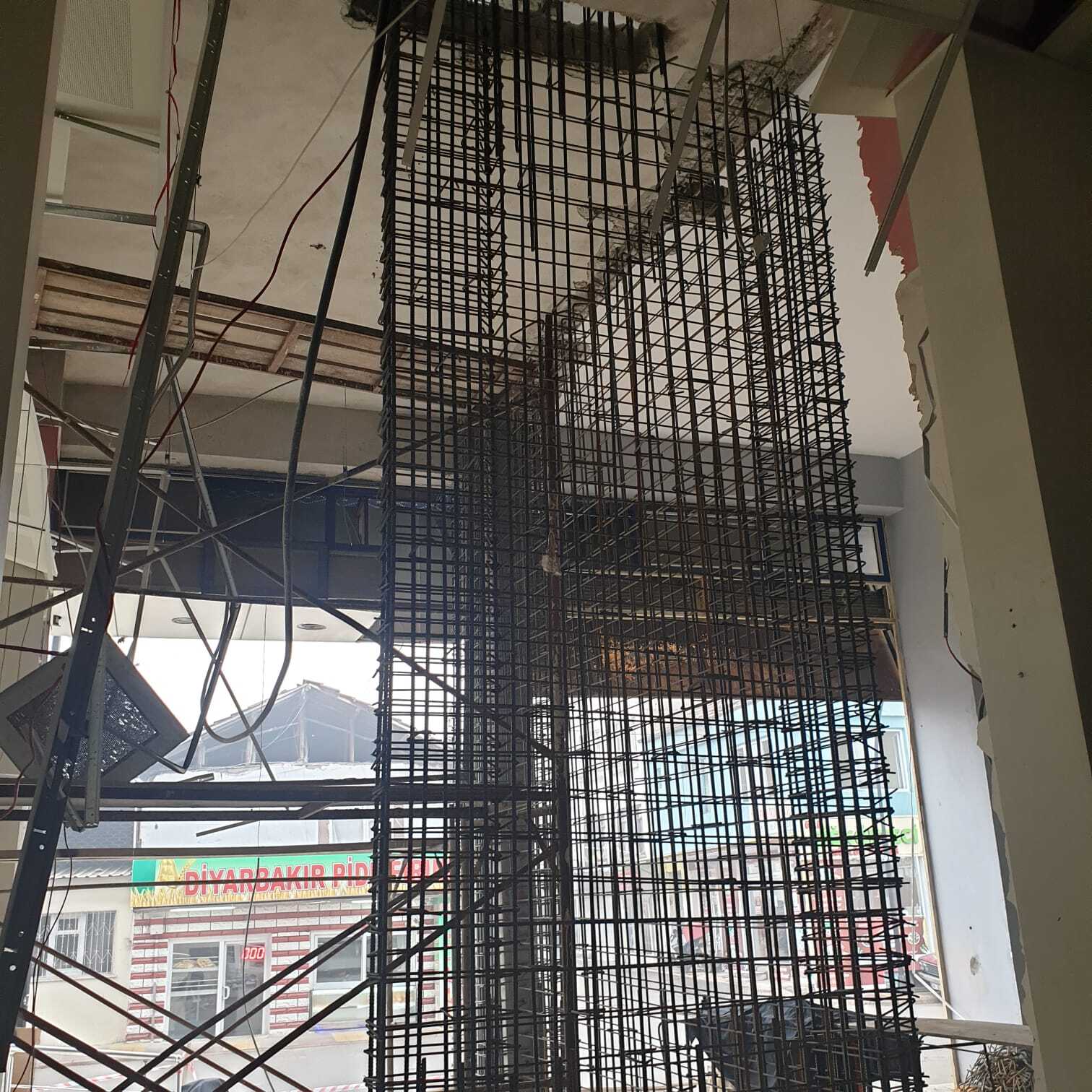
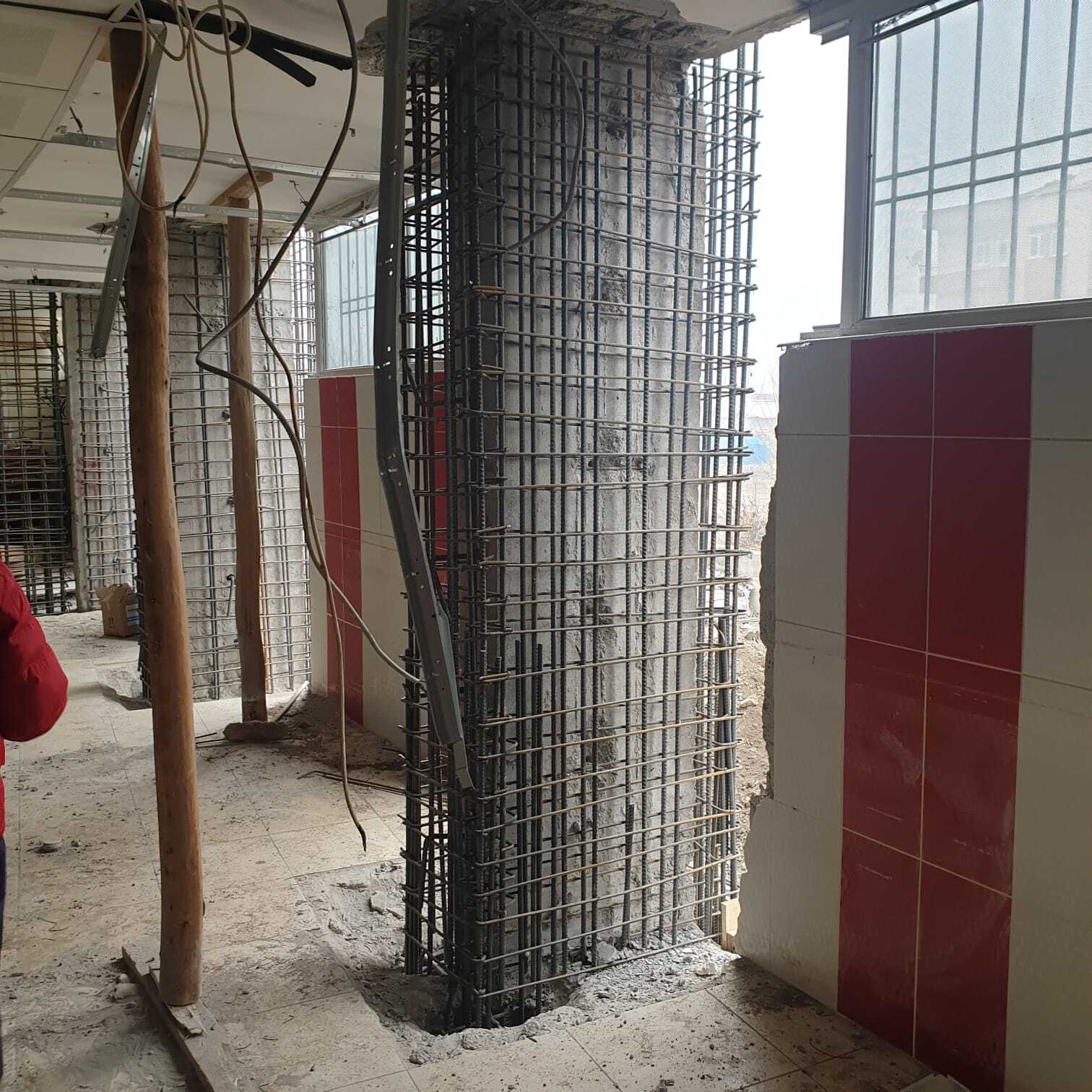
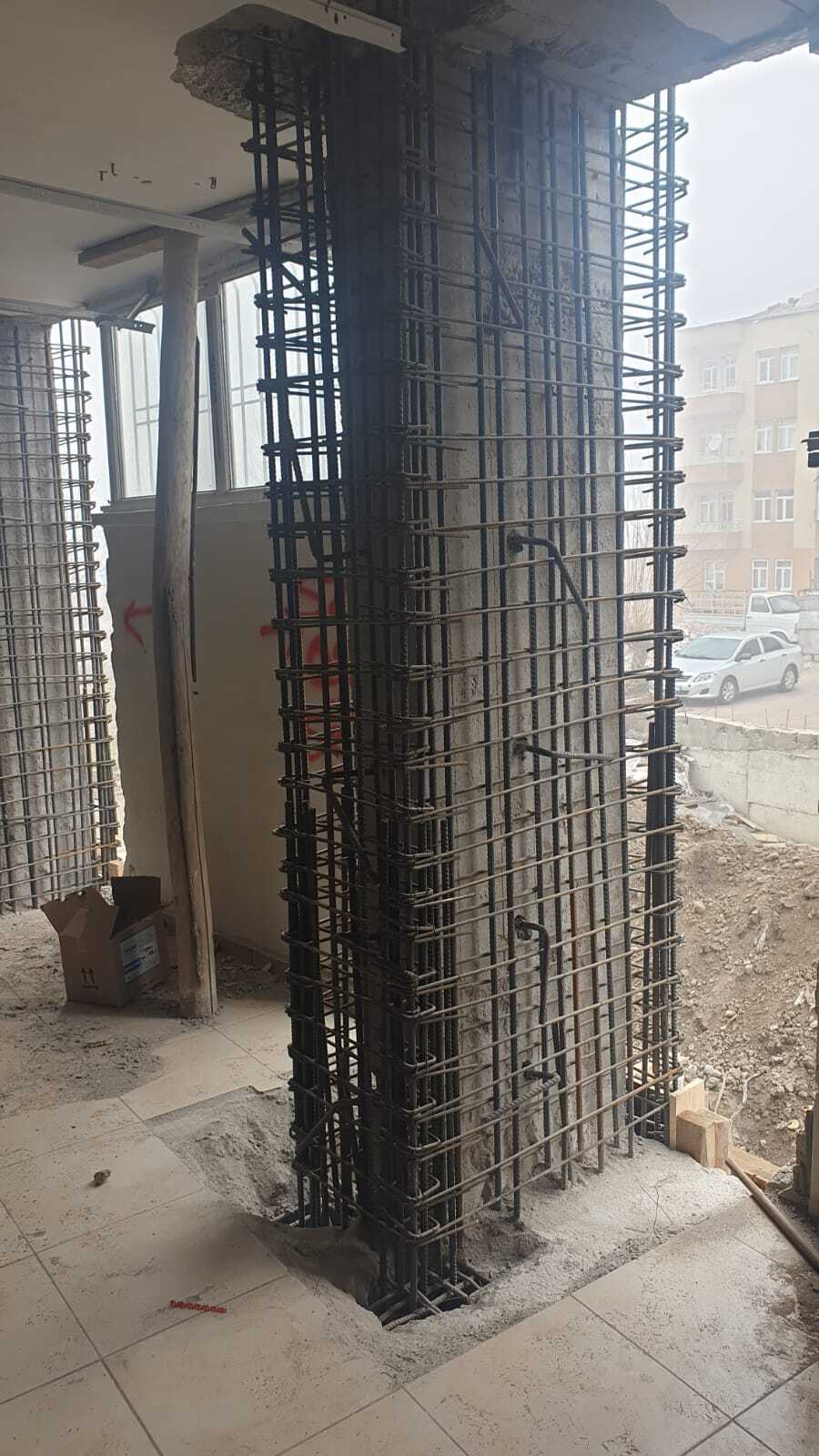
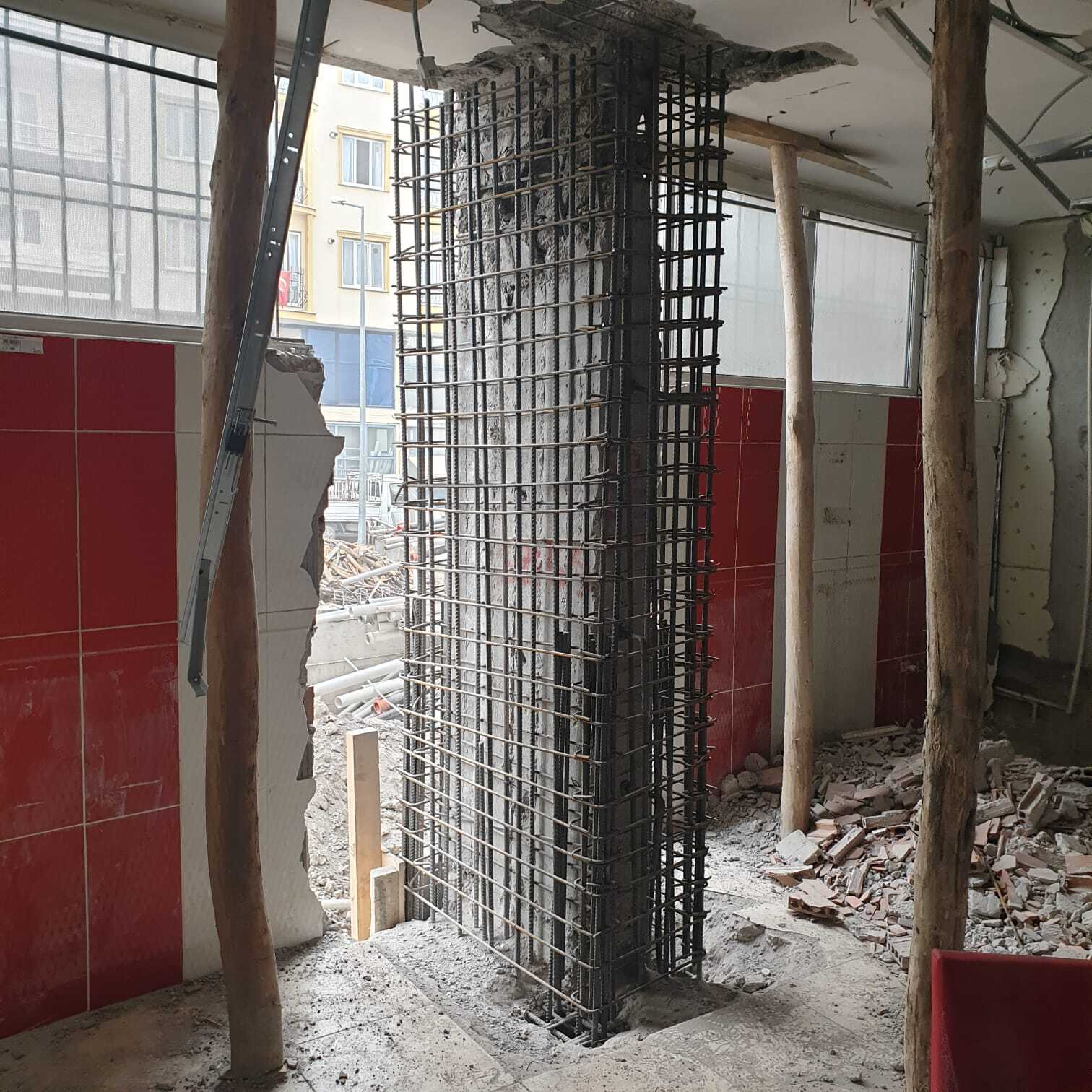
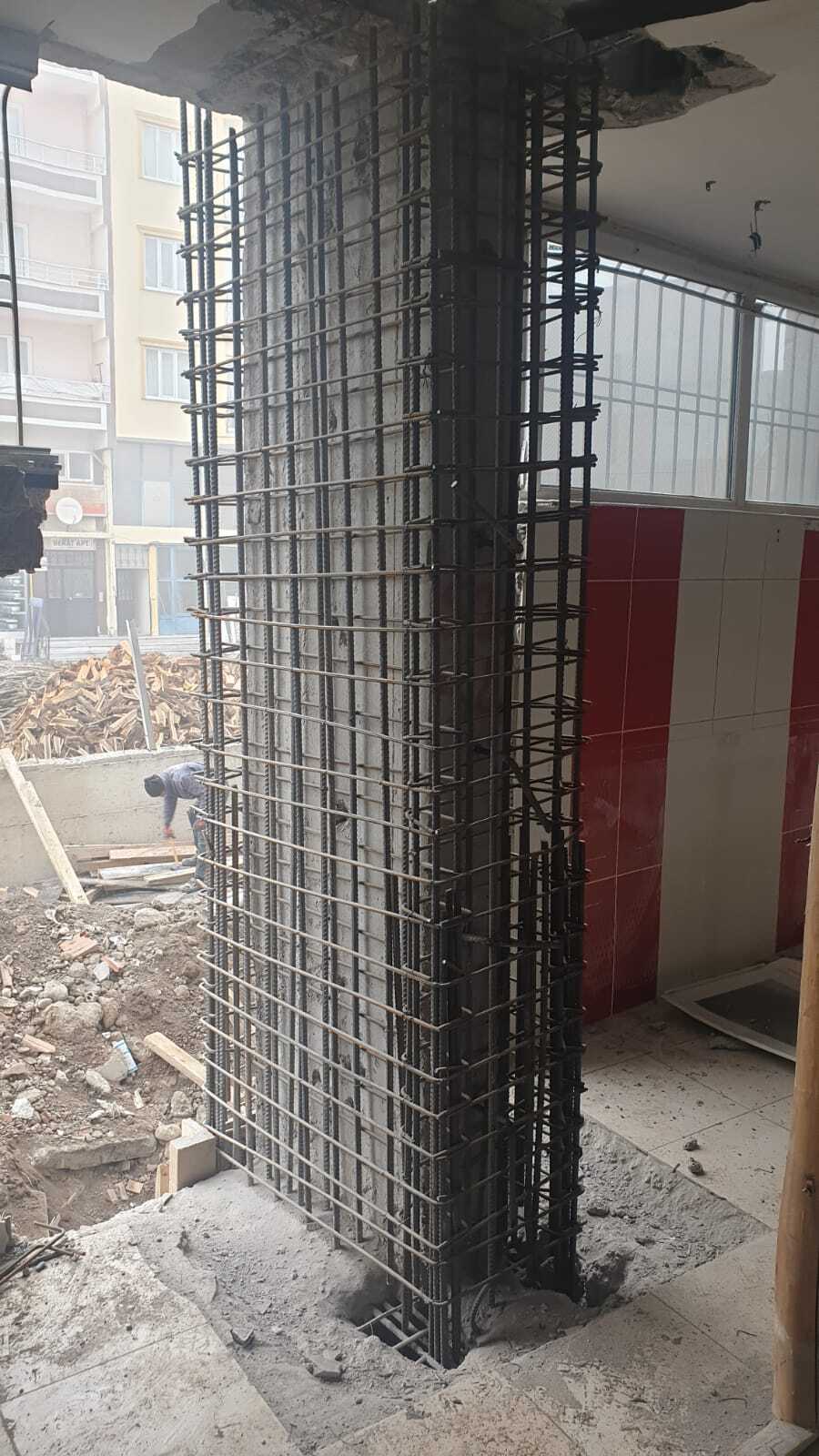
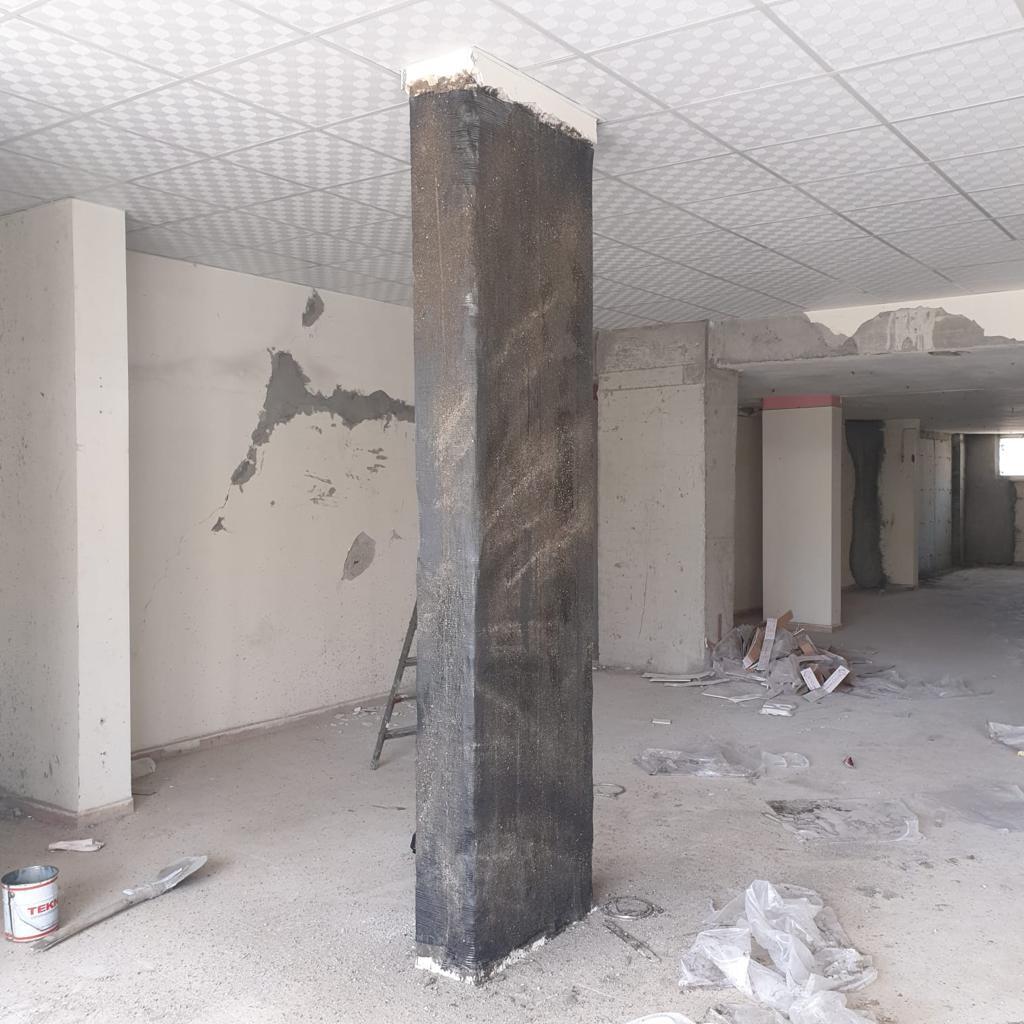
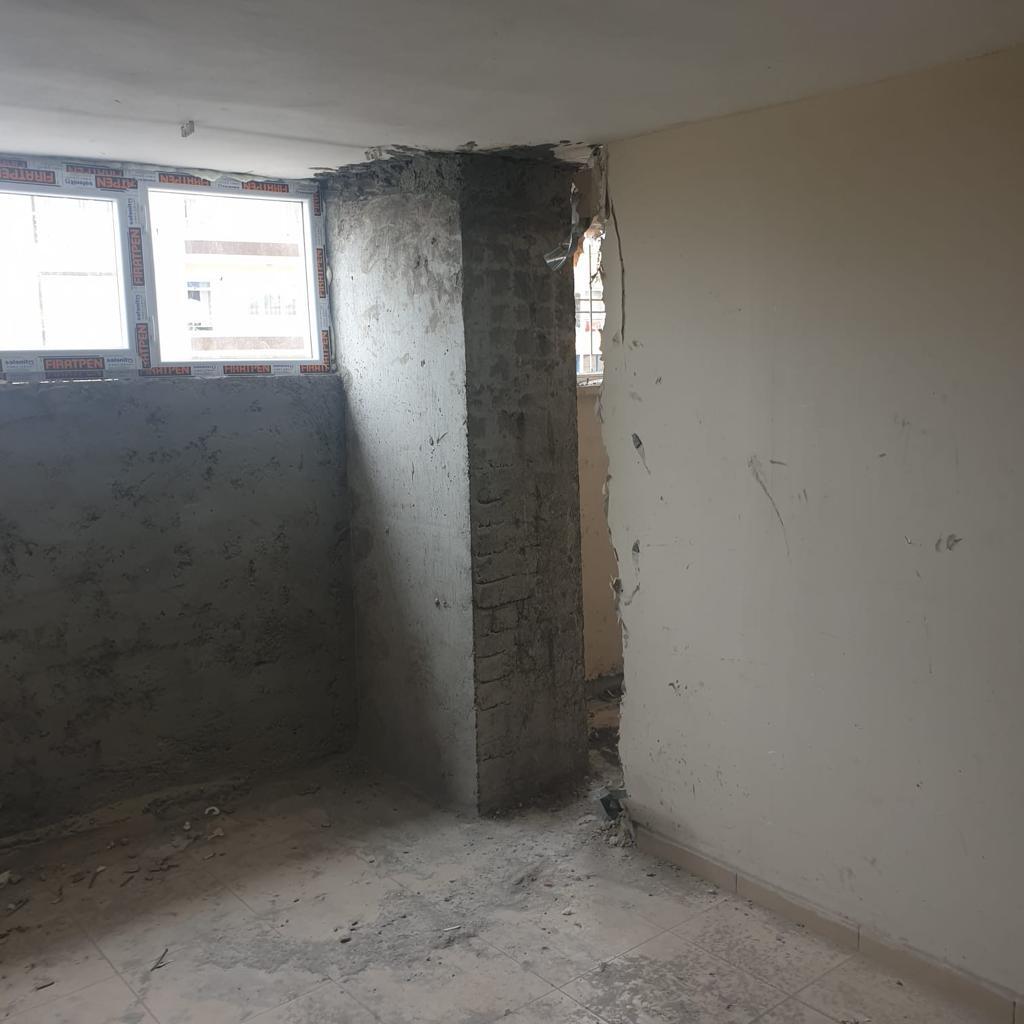
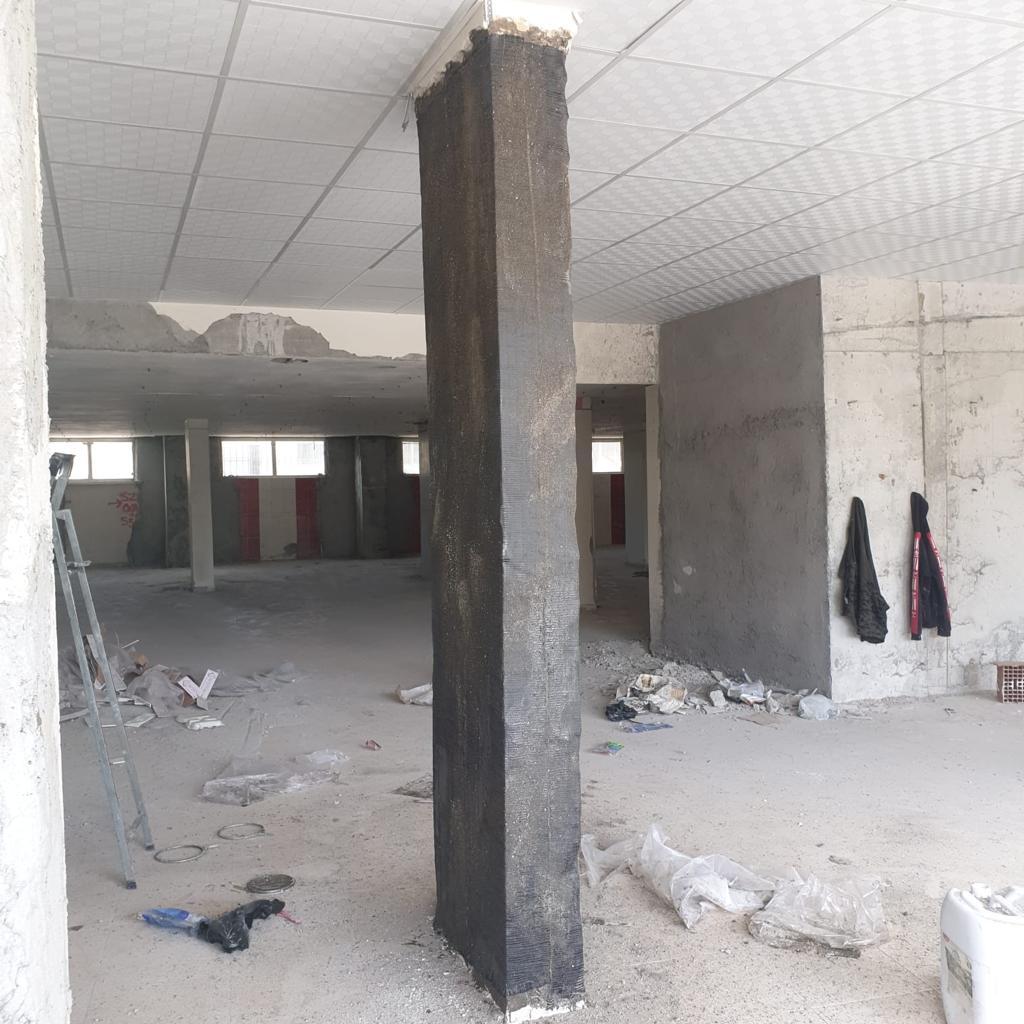
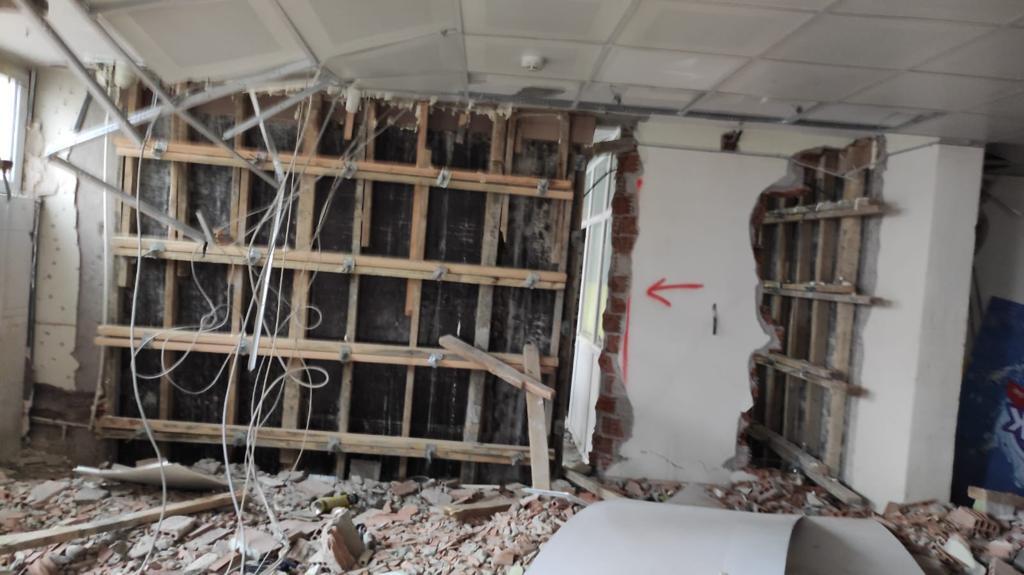
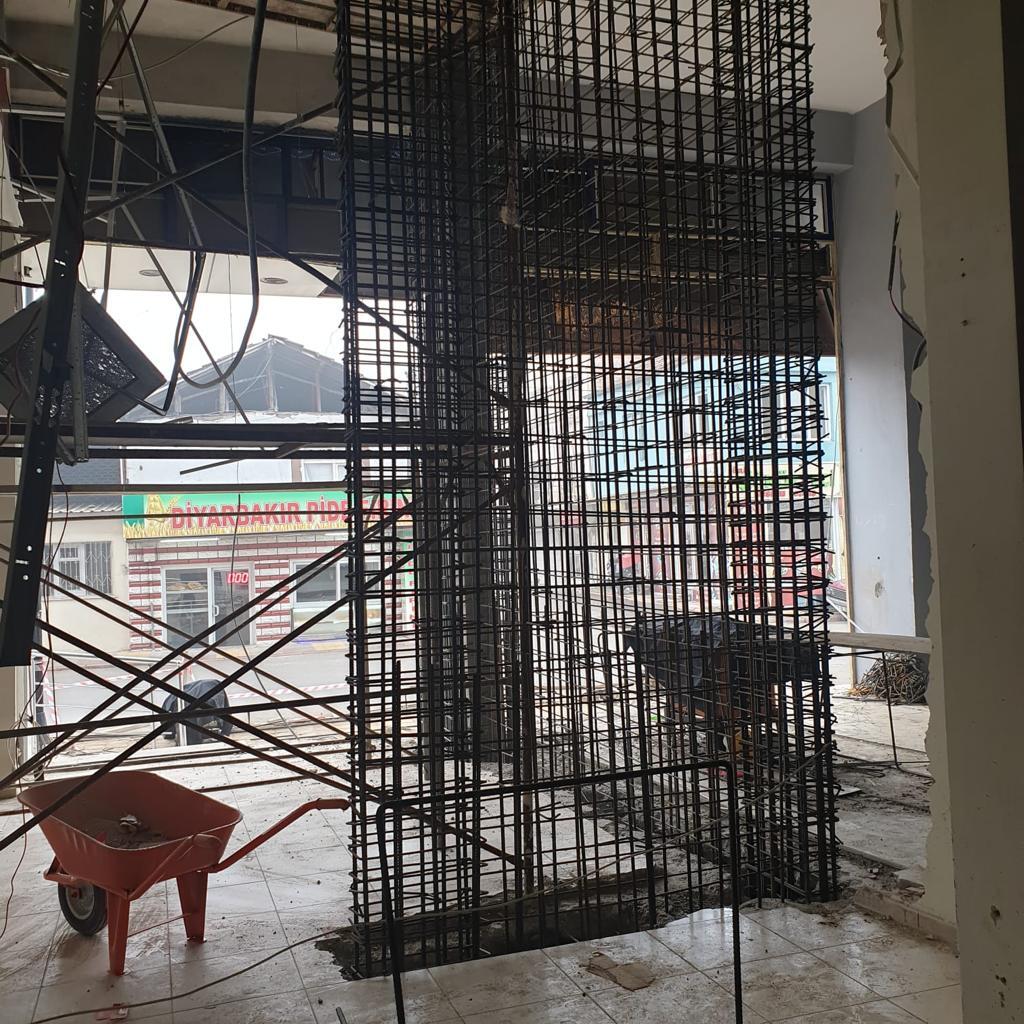
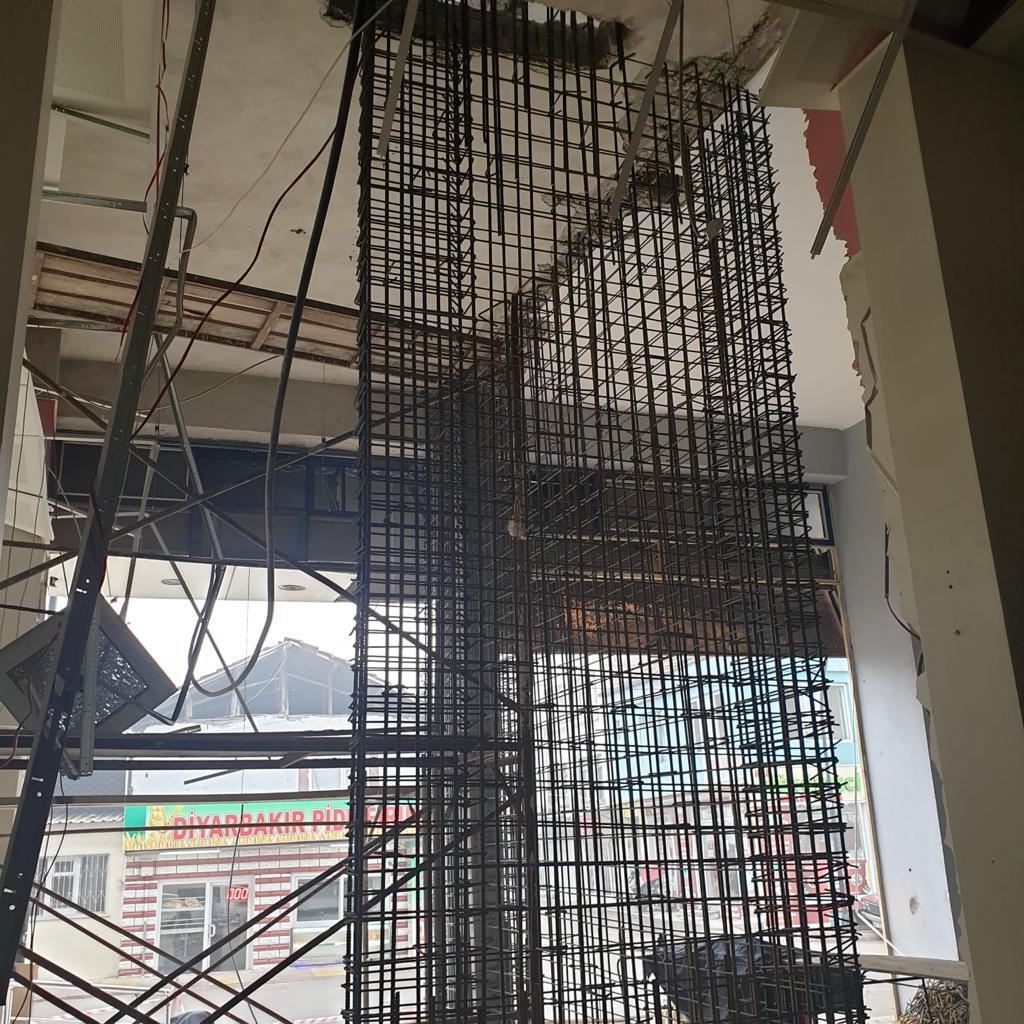
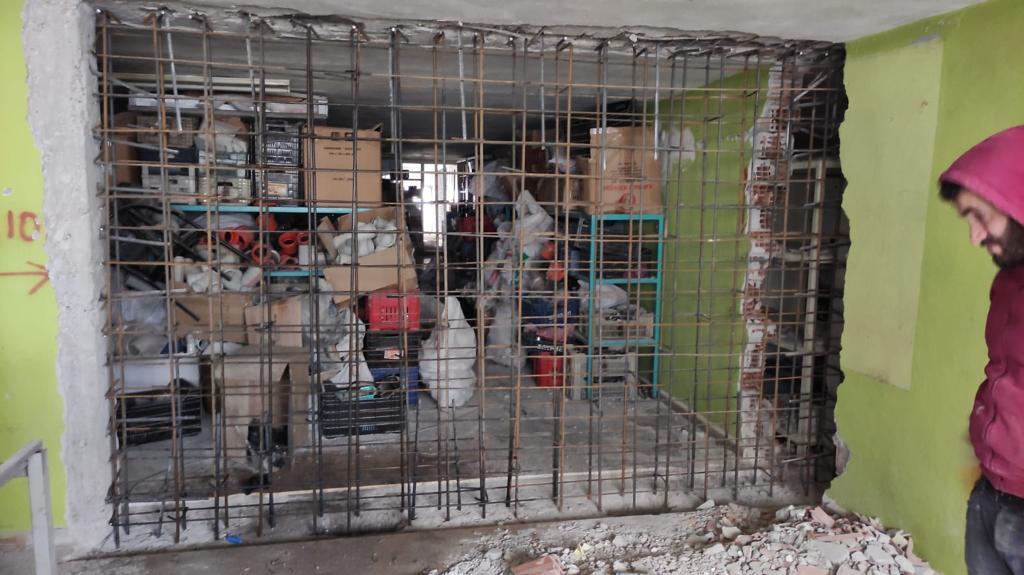
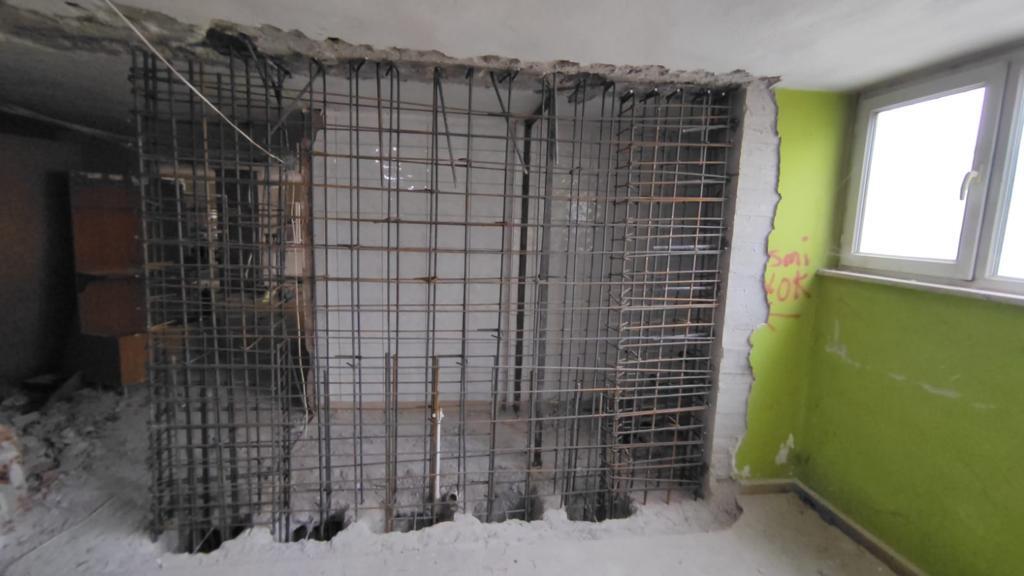
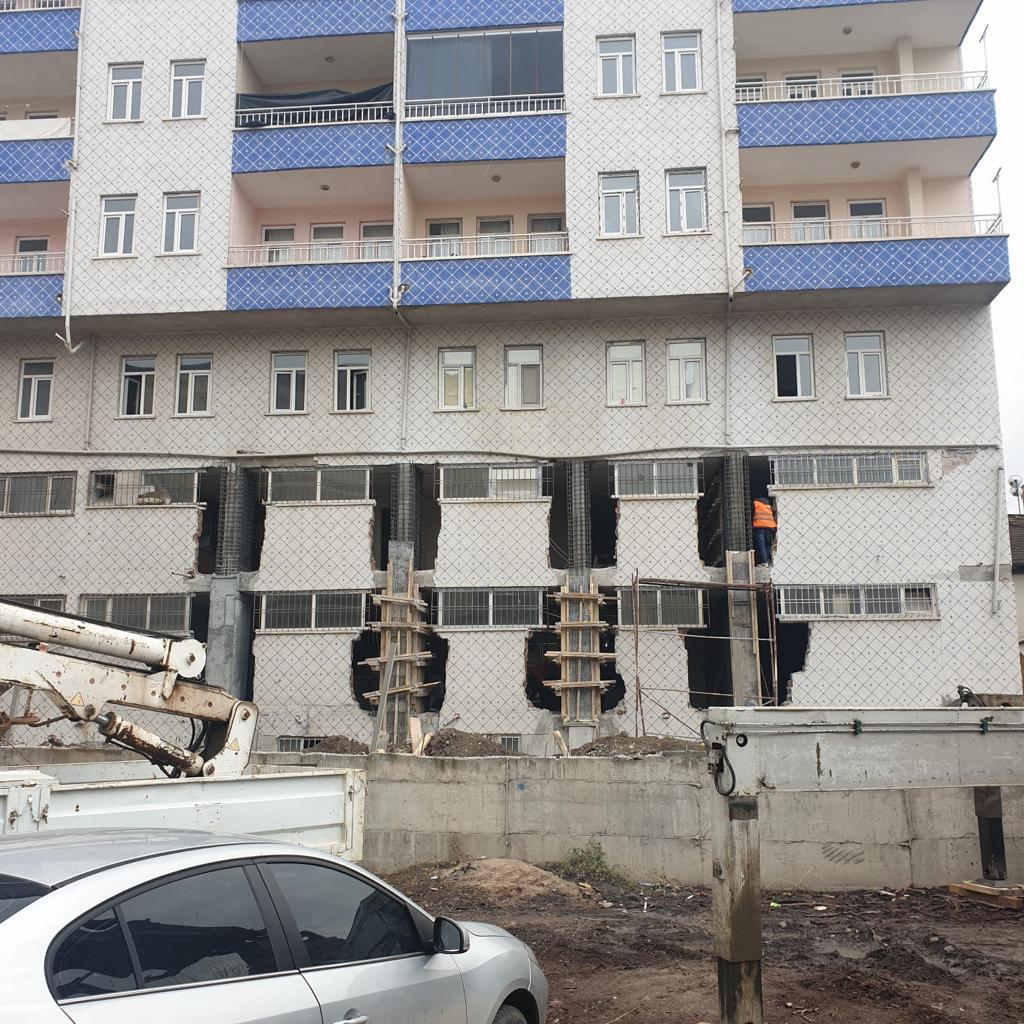
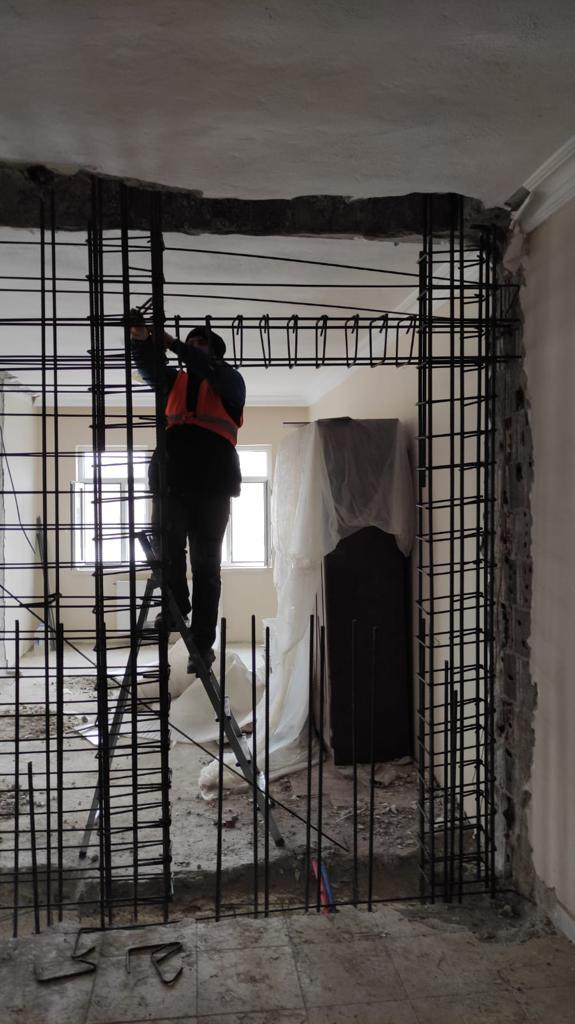
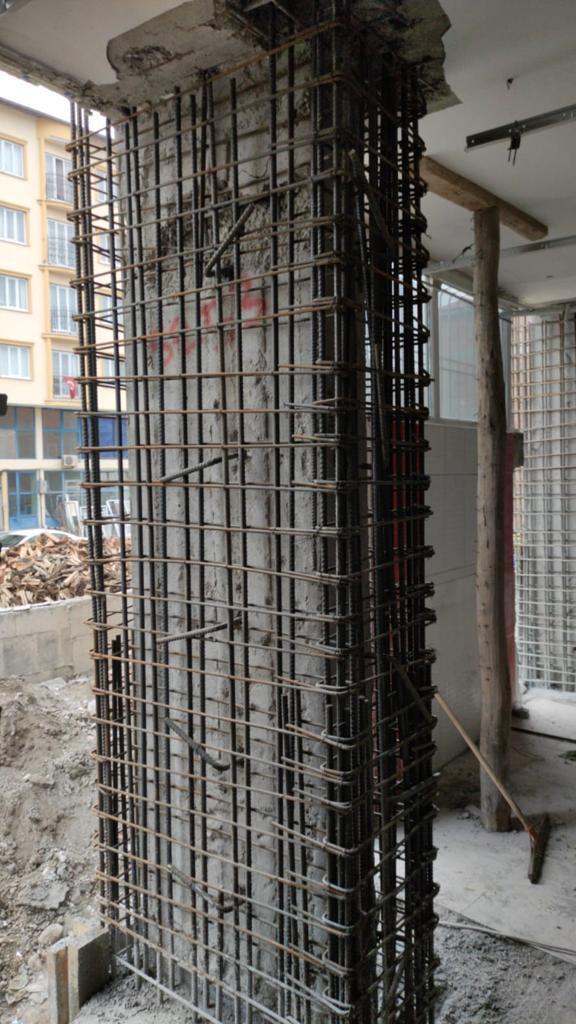
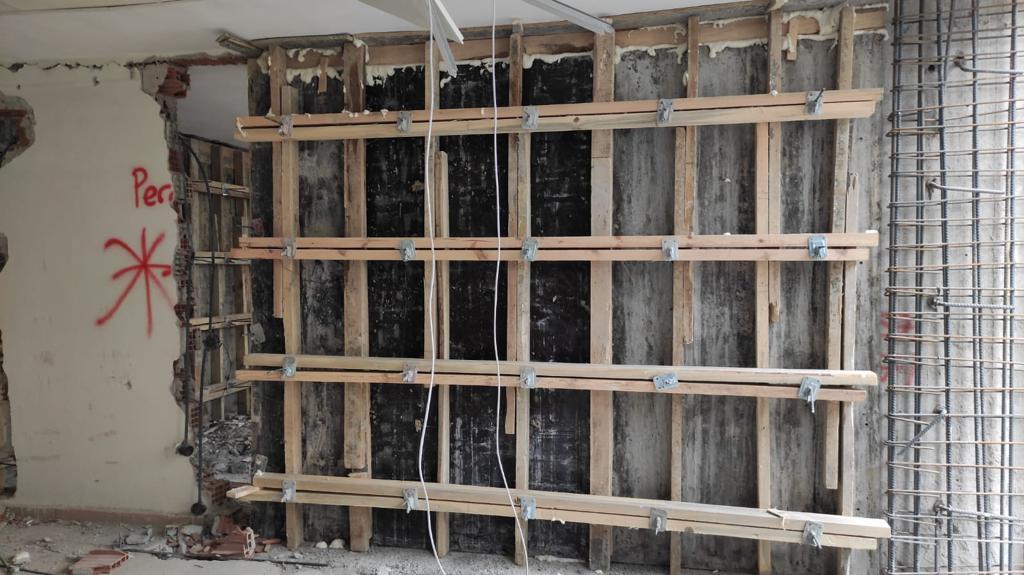
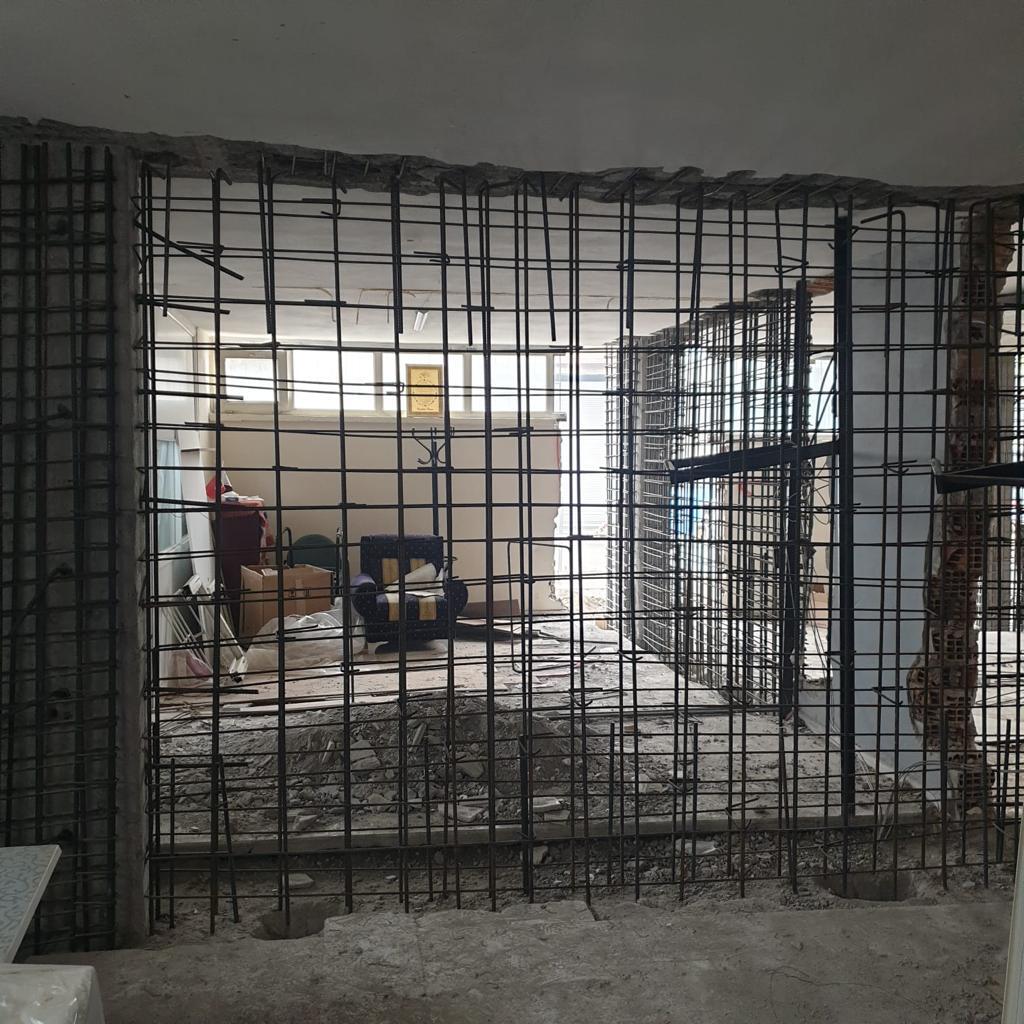
Deprem Öldürmez Yapı Öldürür!
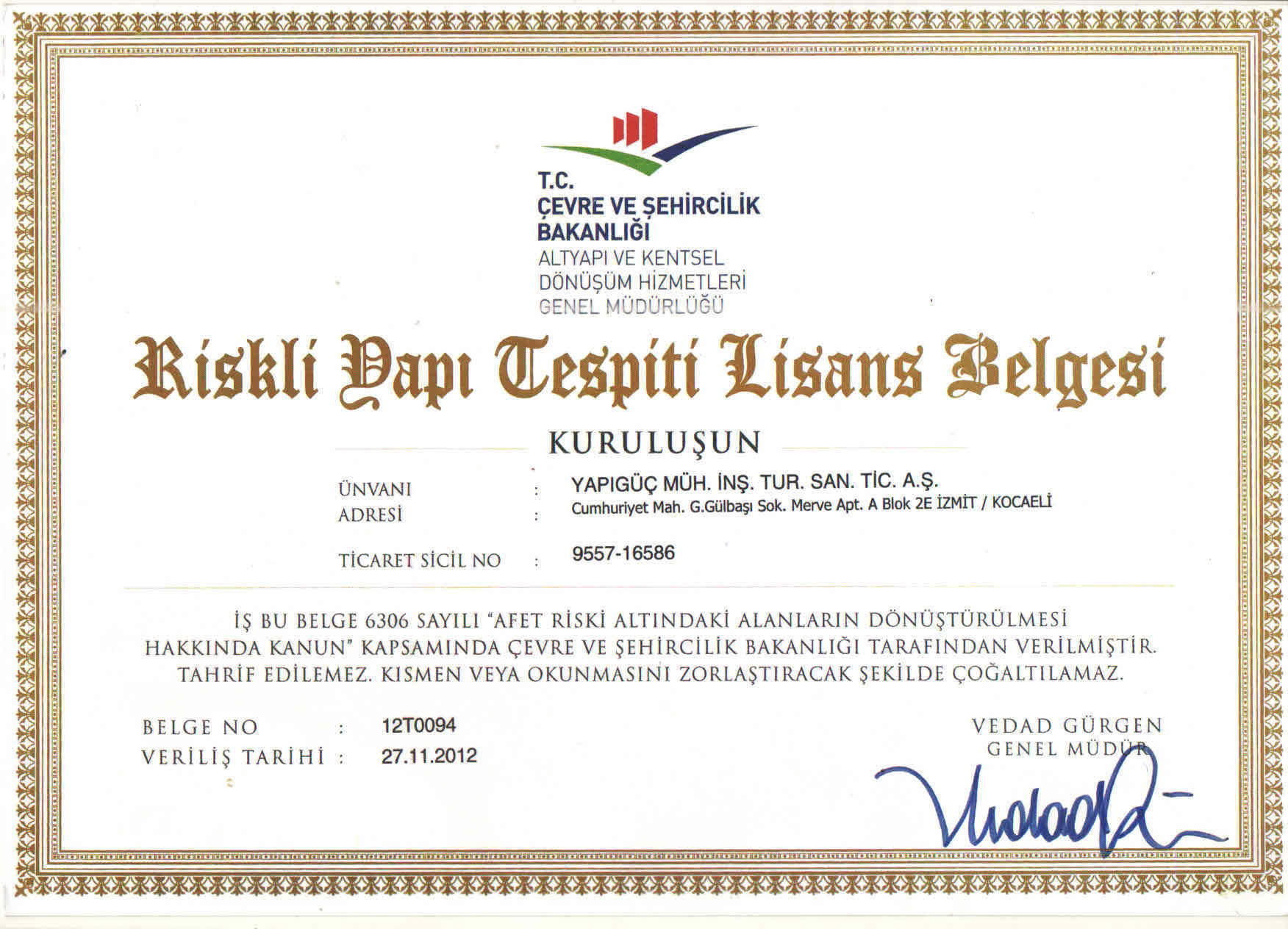
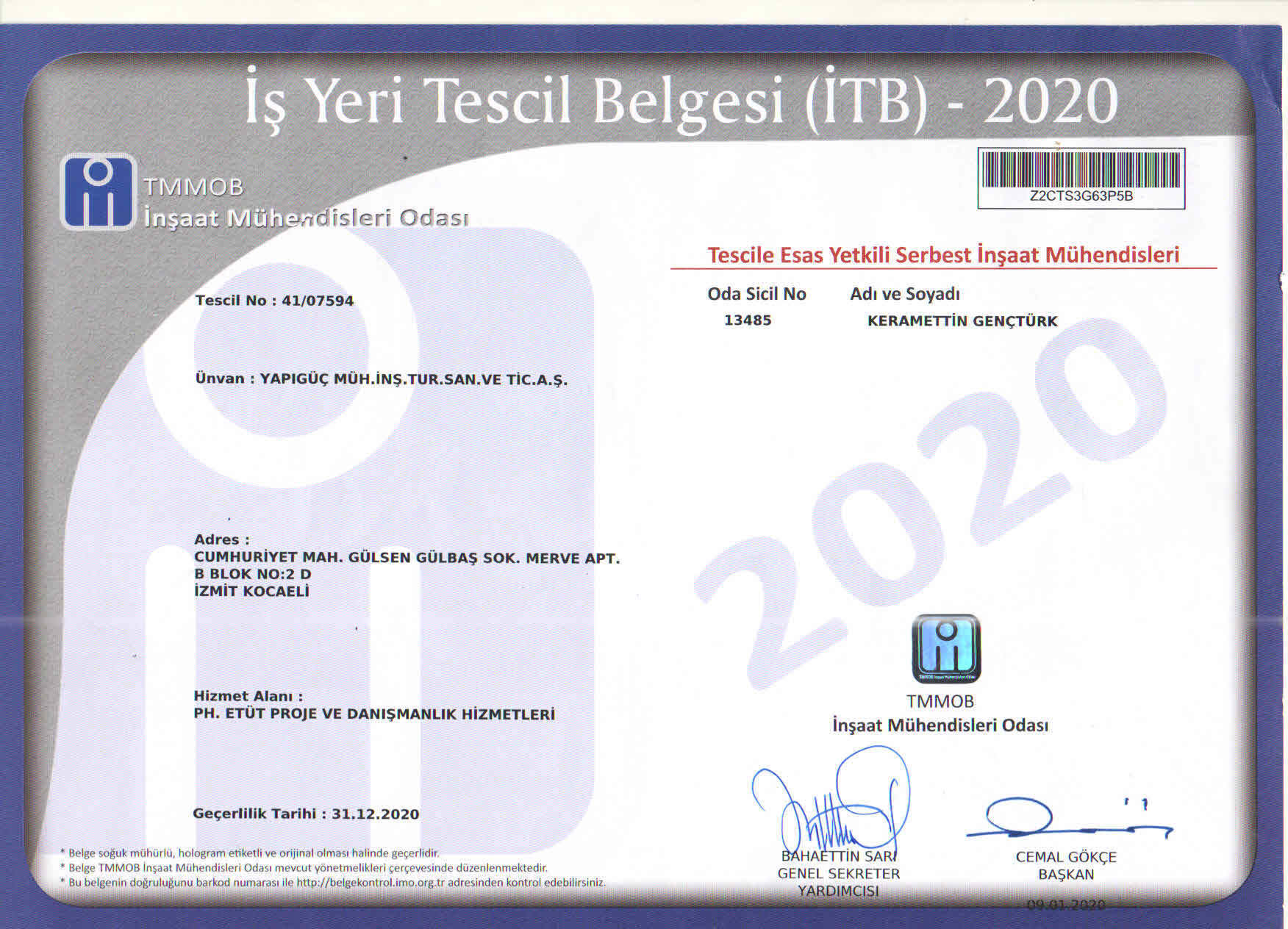
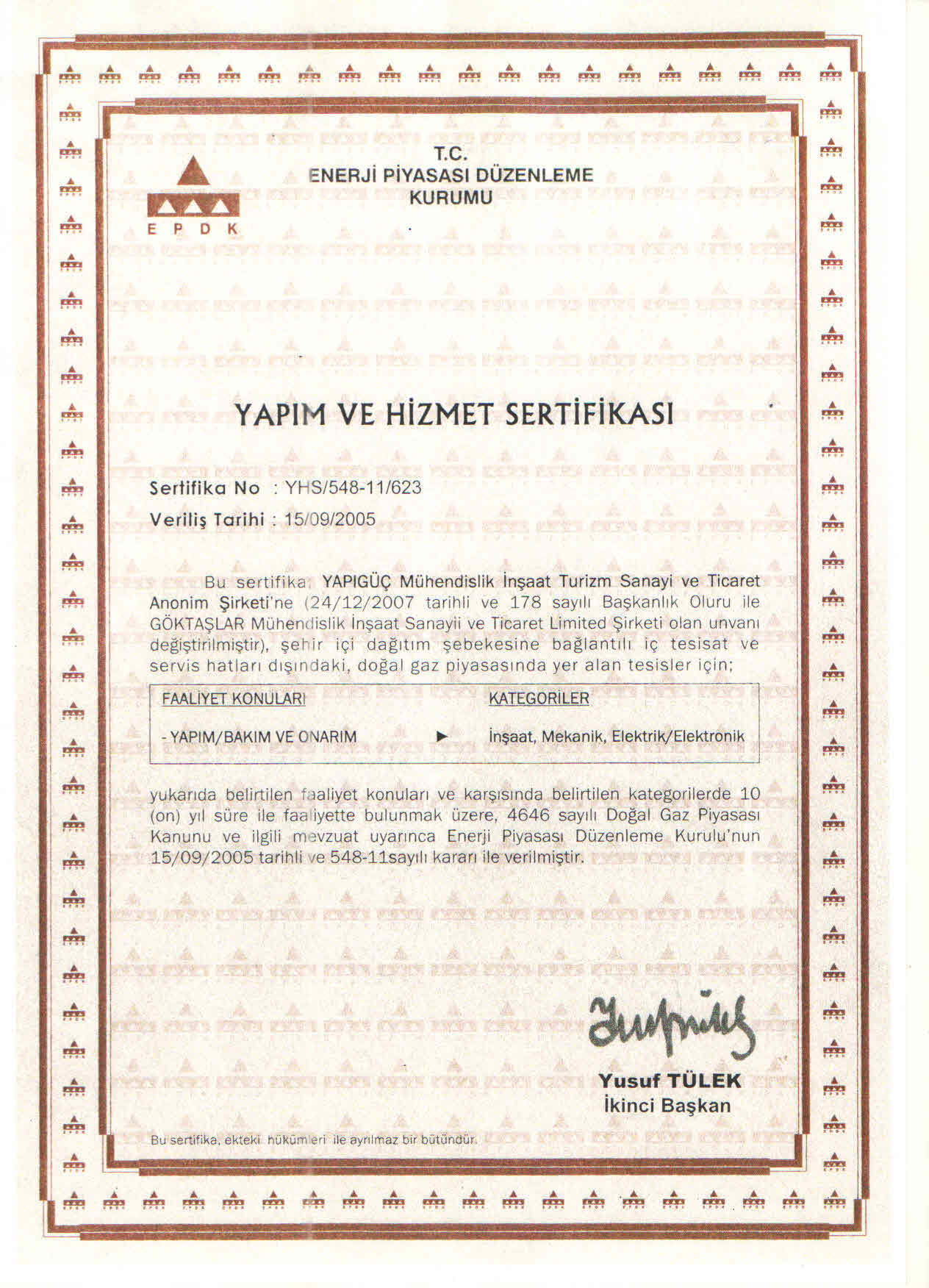
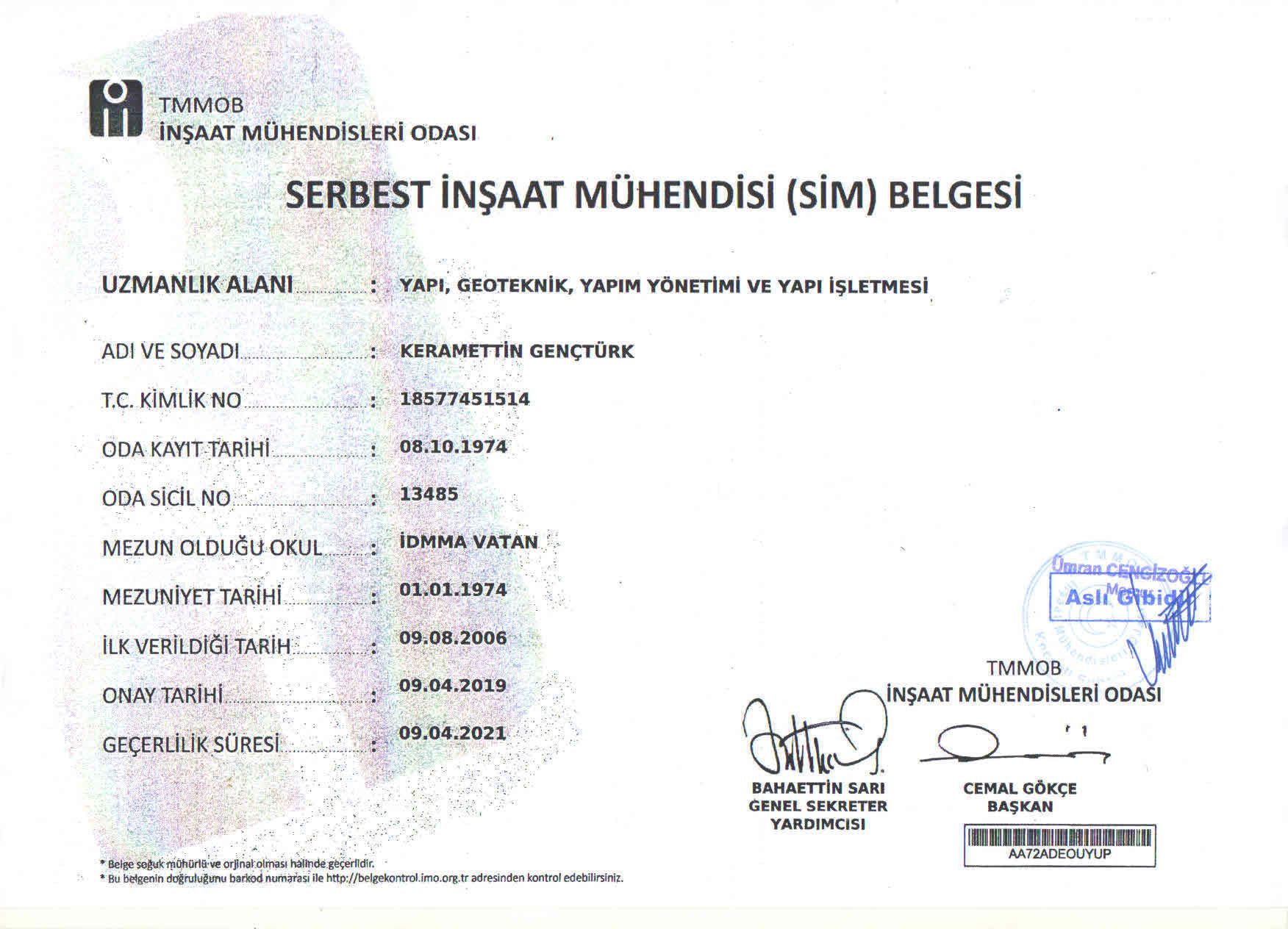
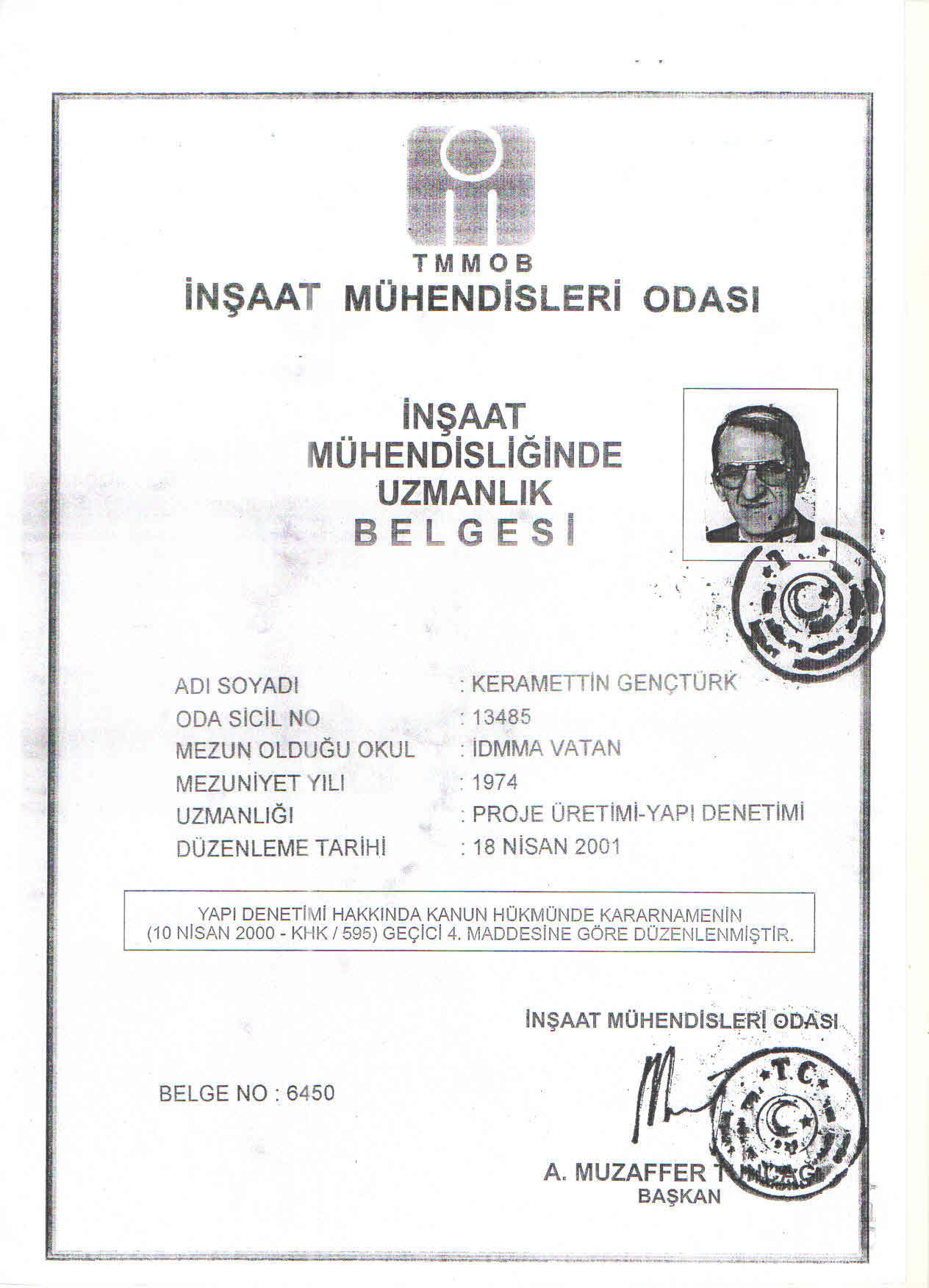
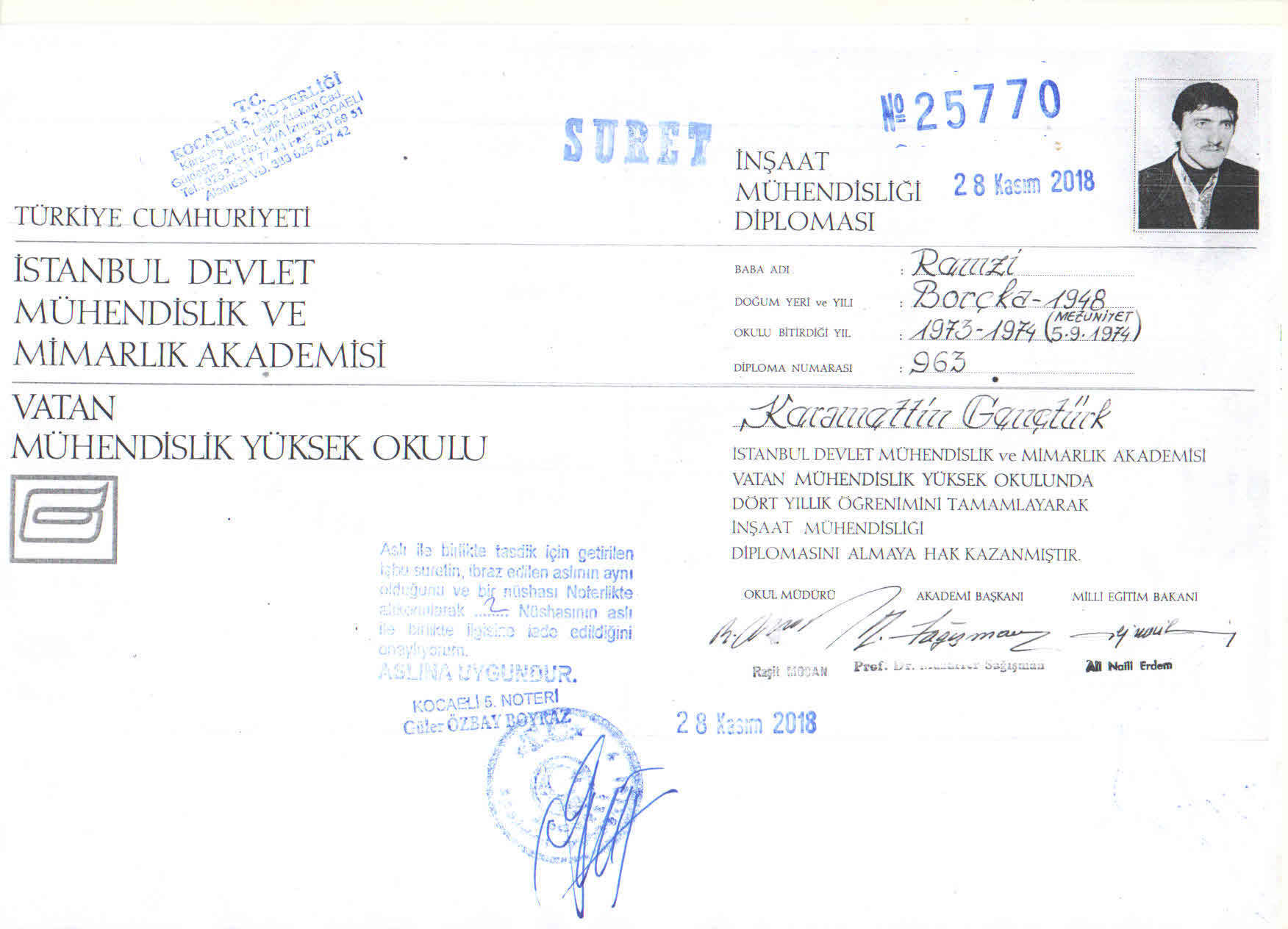
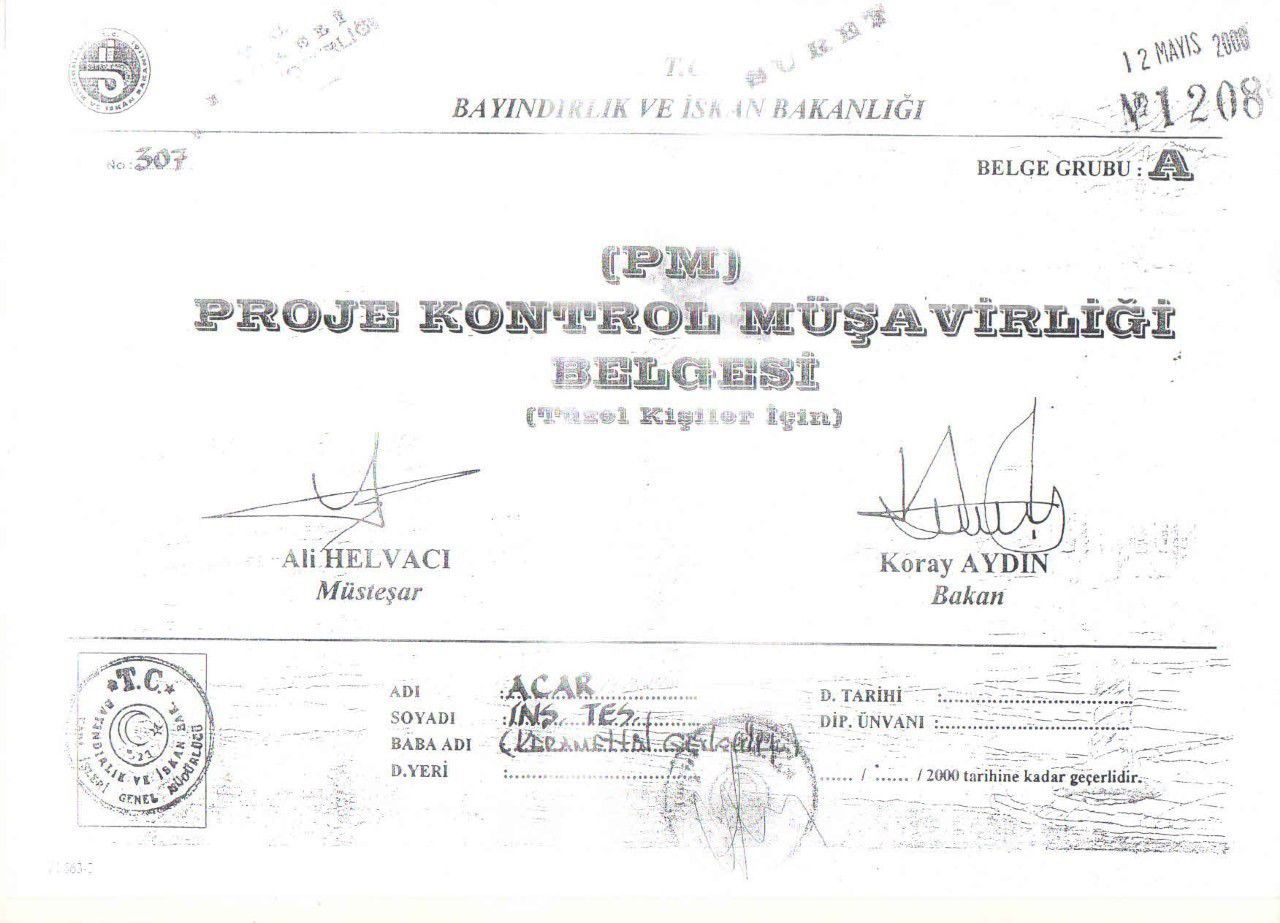
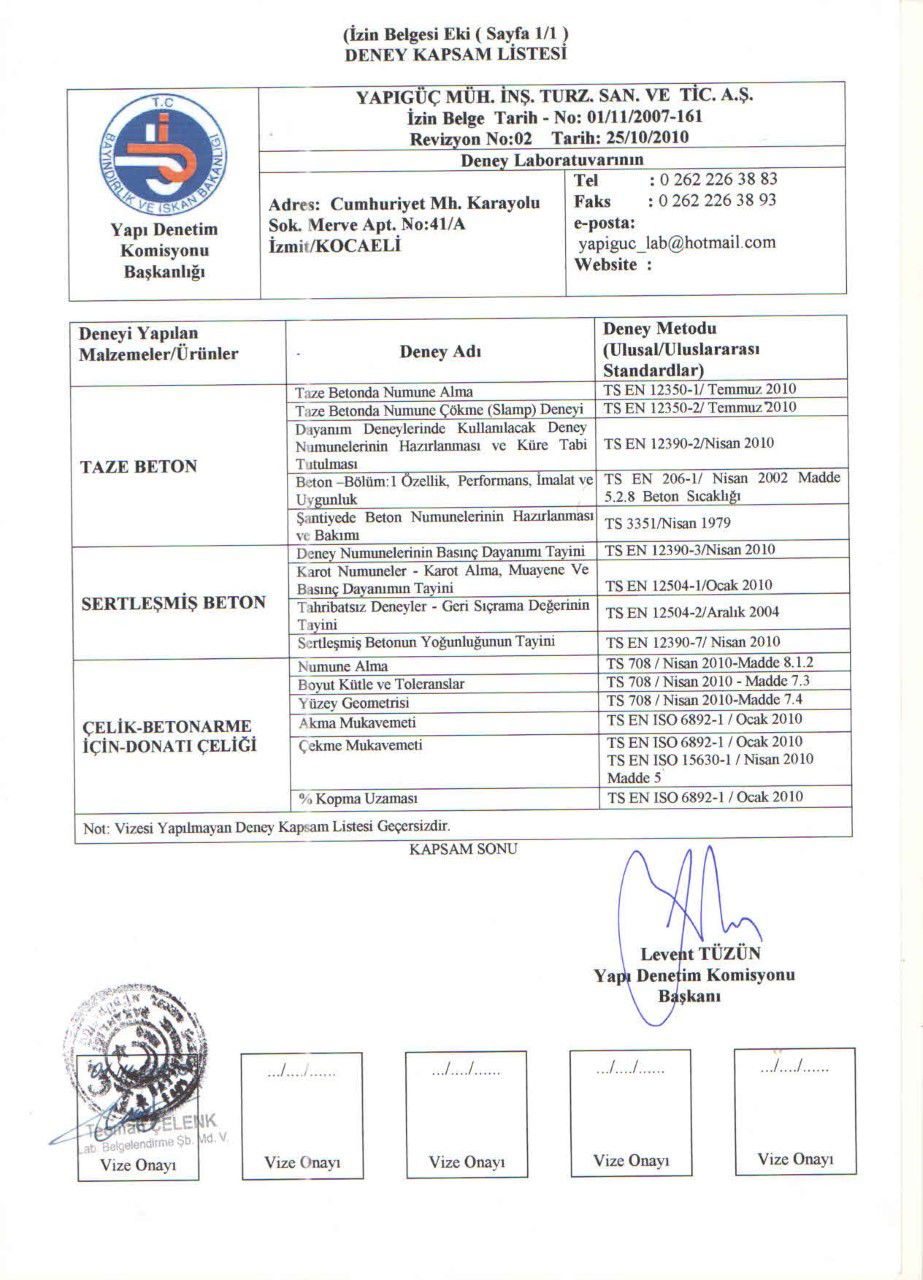
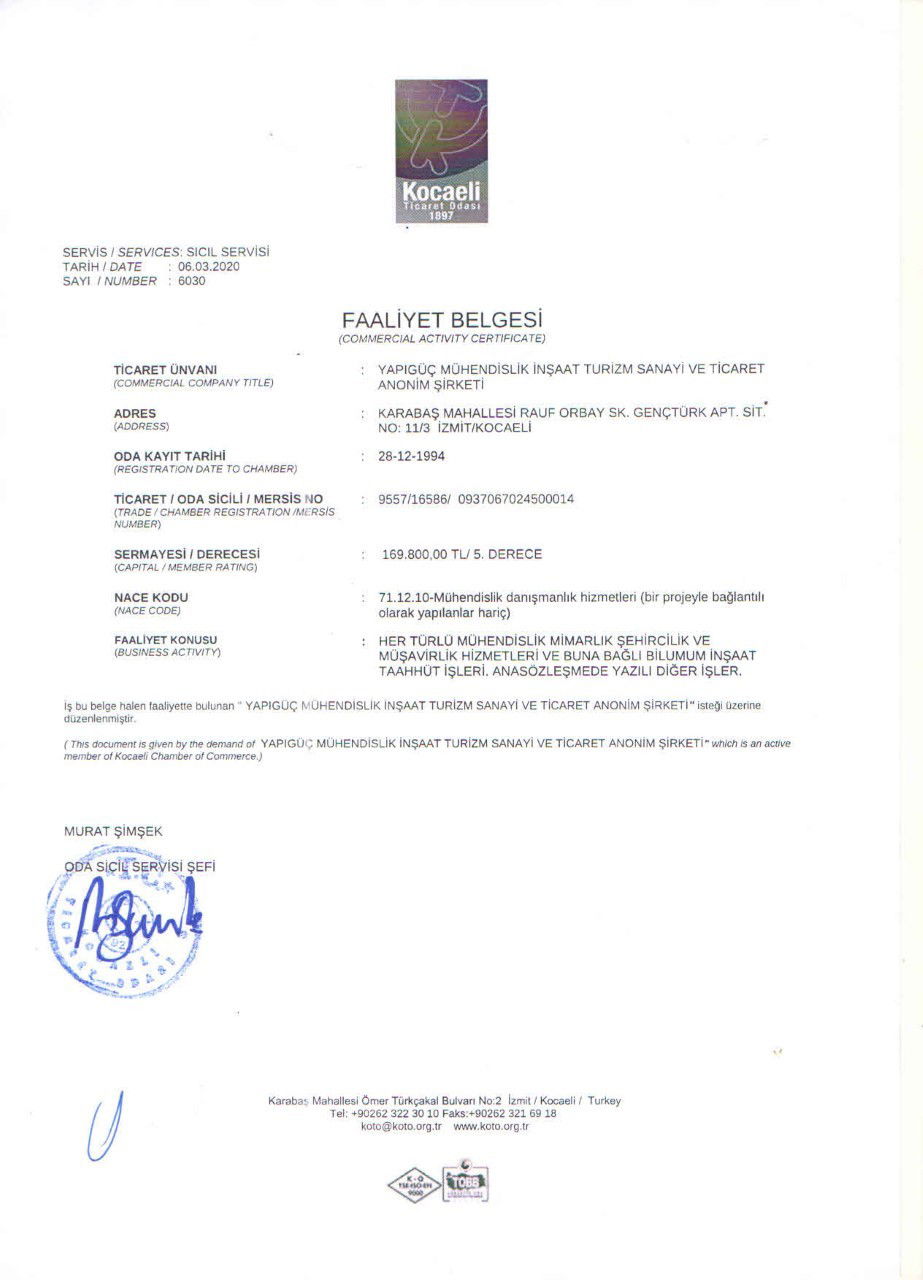
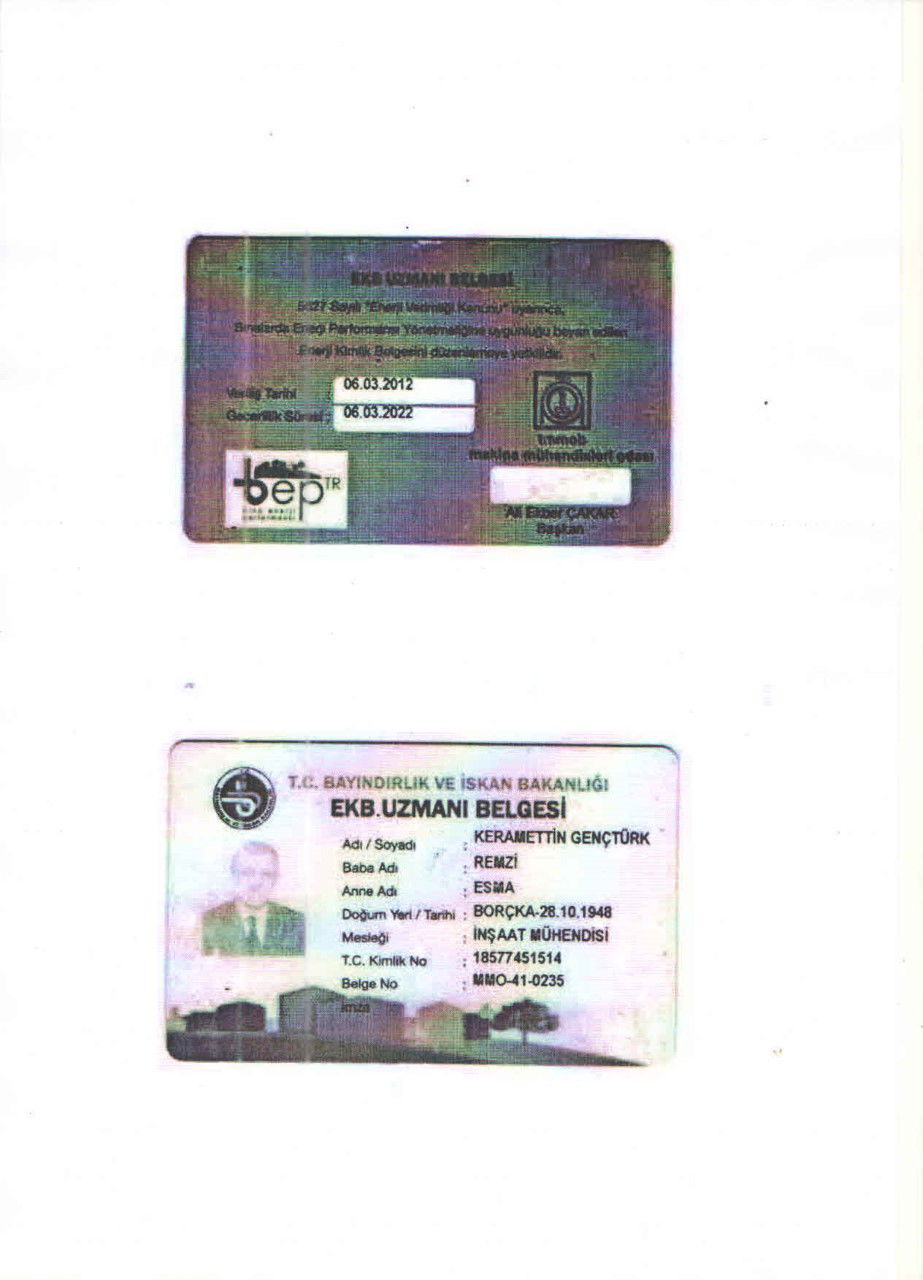
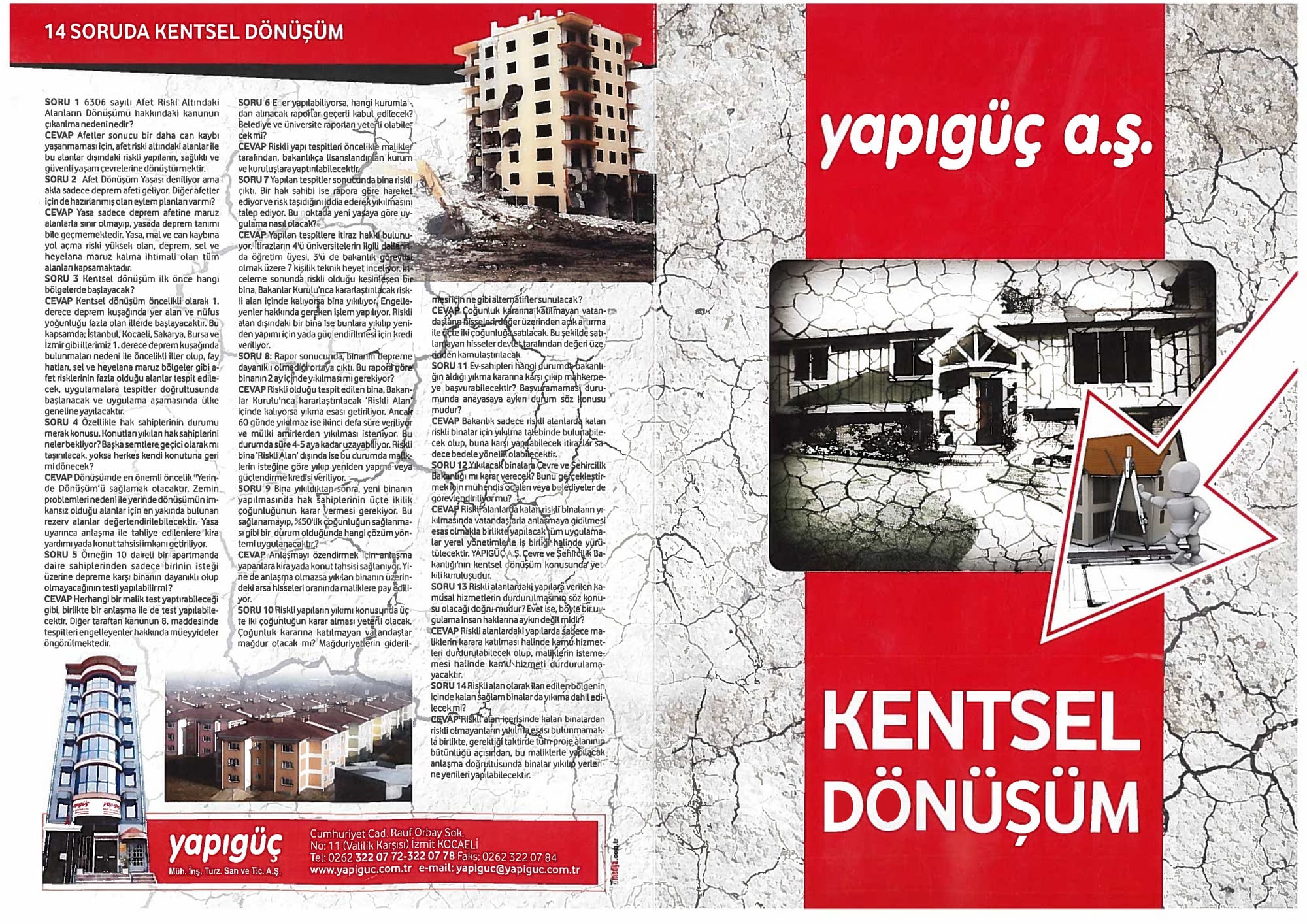
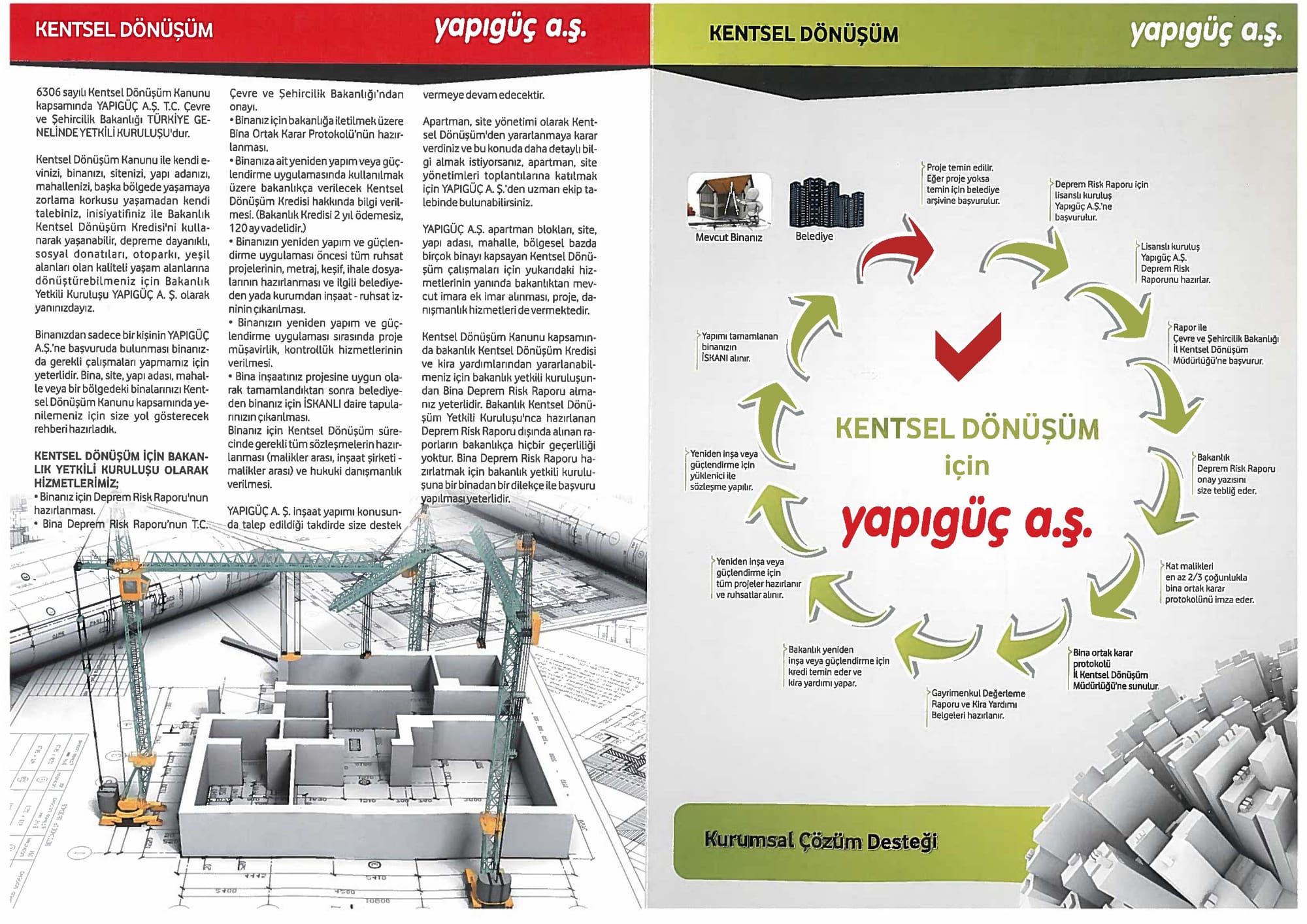
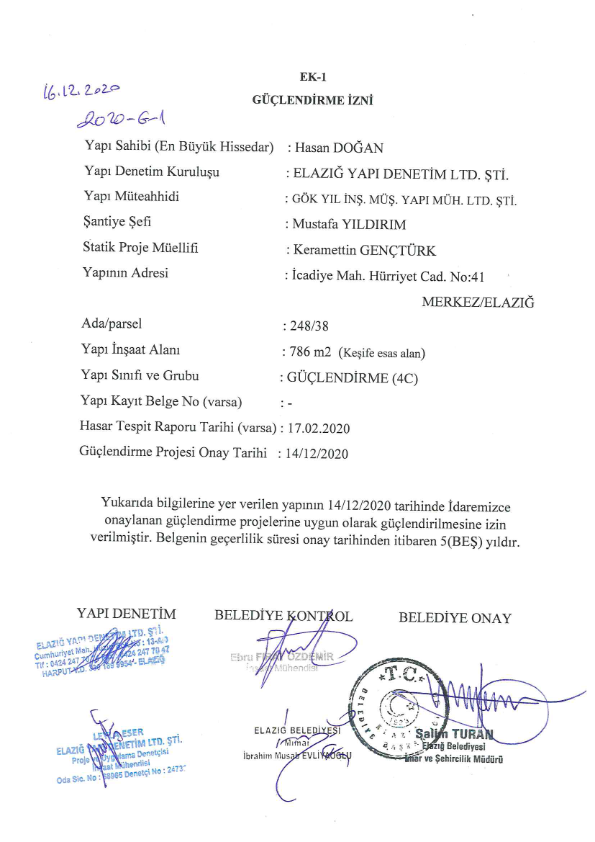
firmamız çevre ve şehircilik Bakanlığı Lisanslı Kuruluşudur
Our services
Yapıgüç Mühendislik ve İnşaat A.Ş
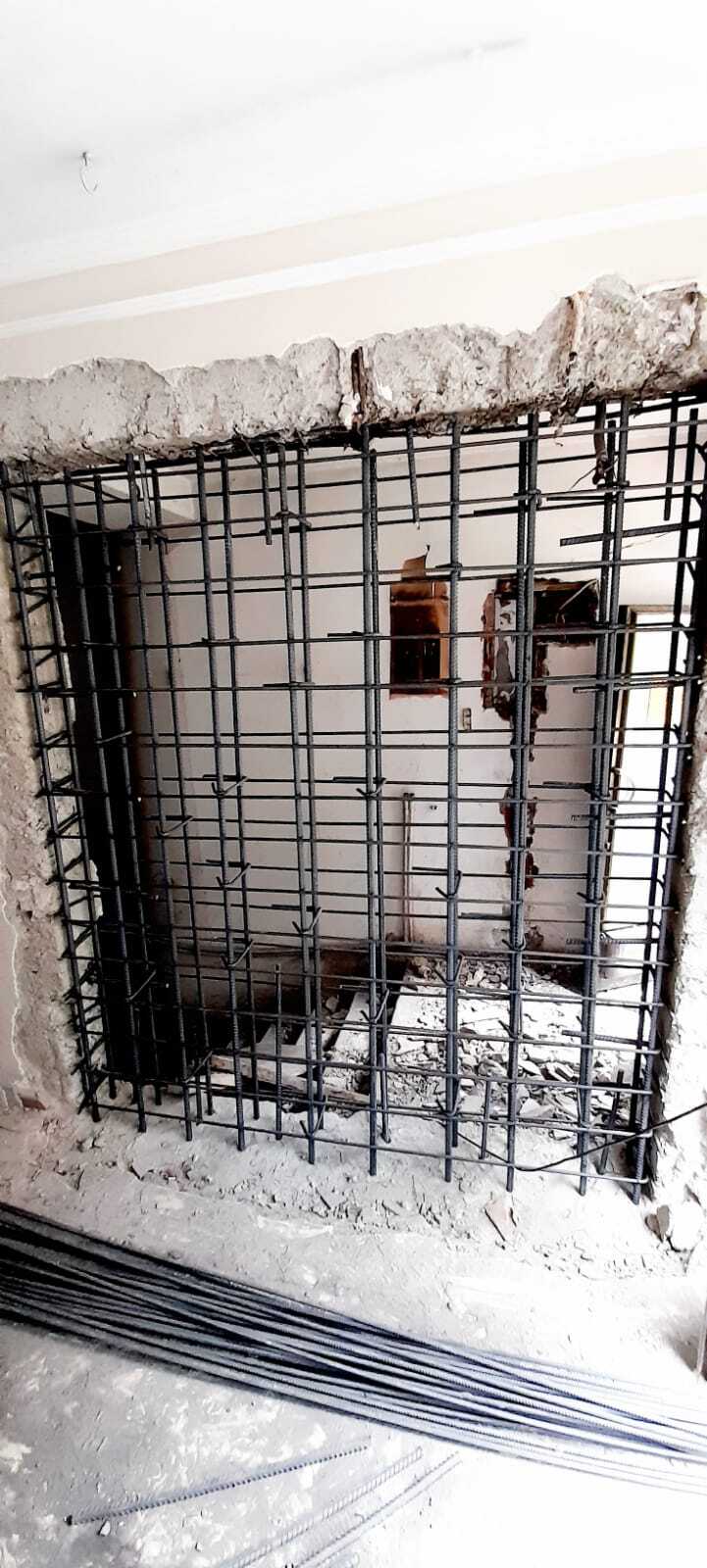
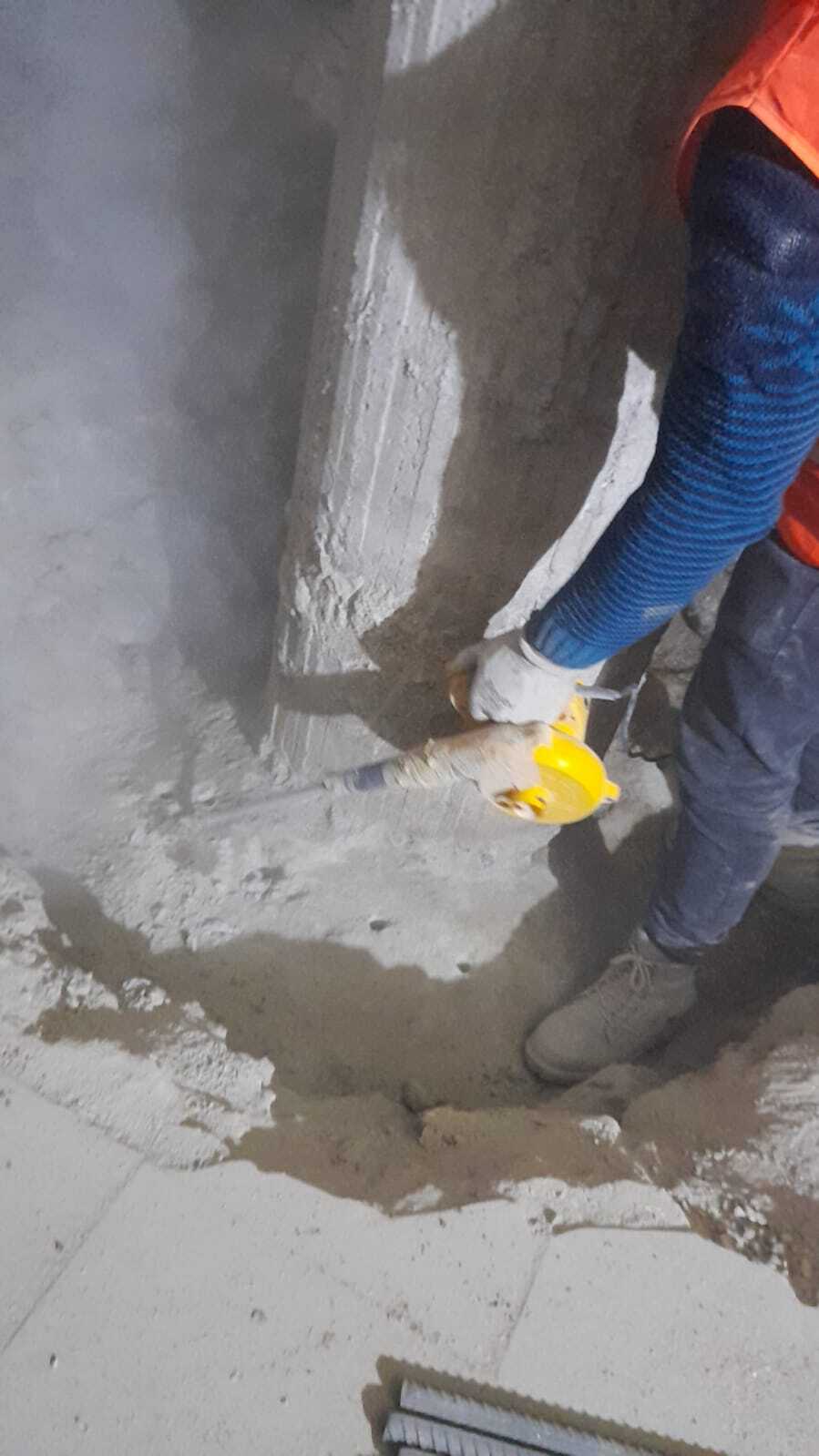
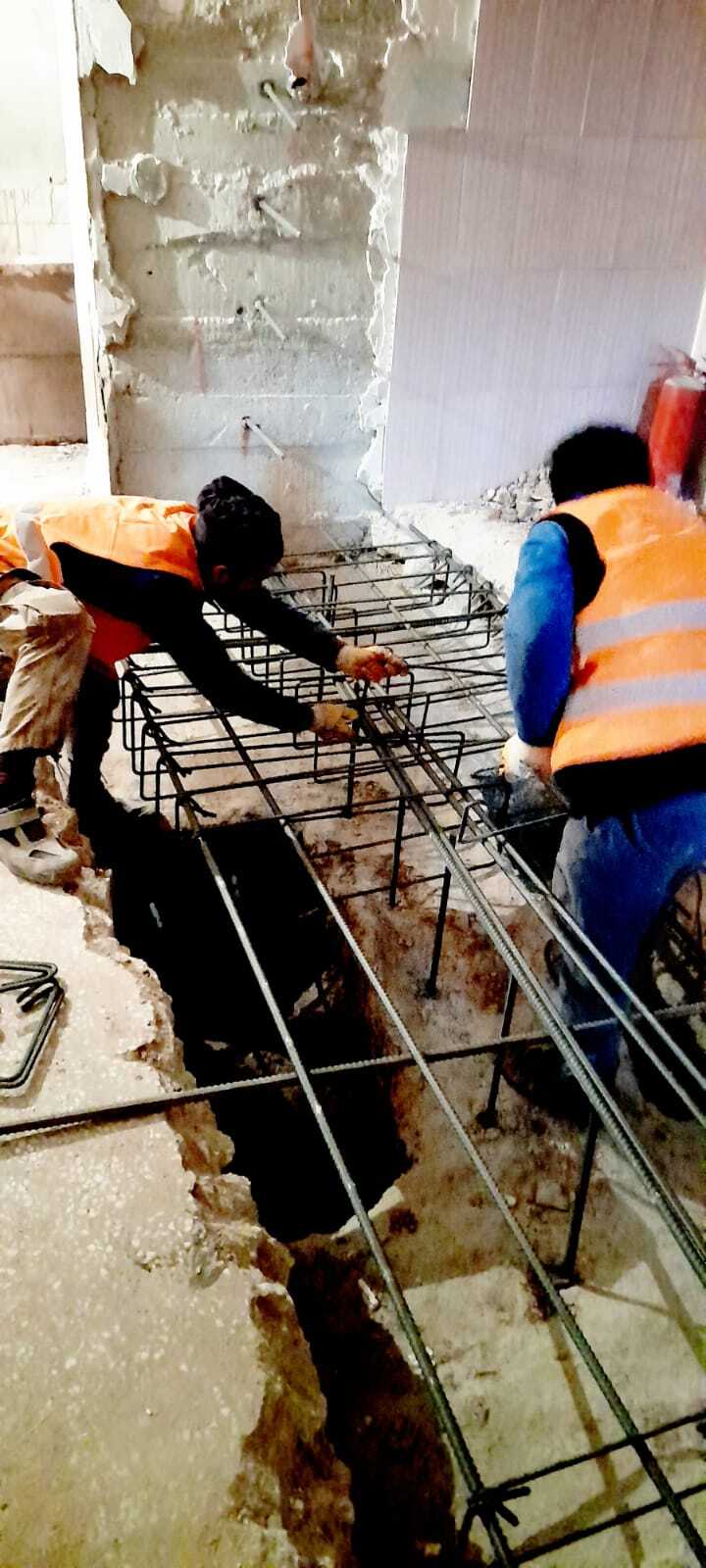
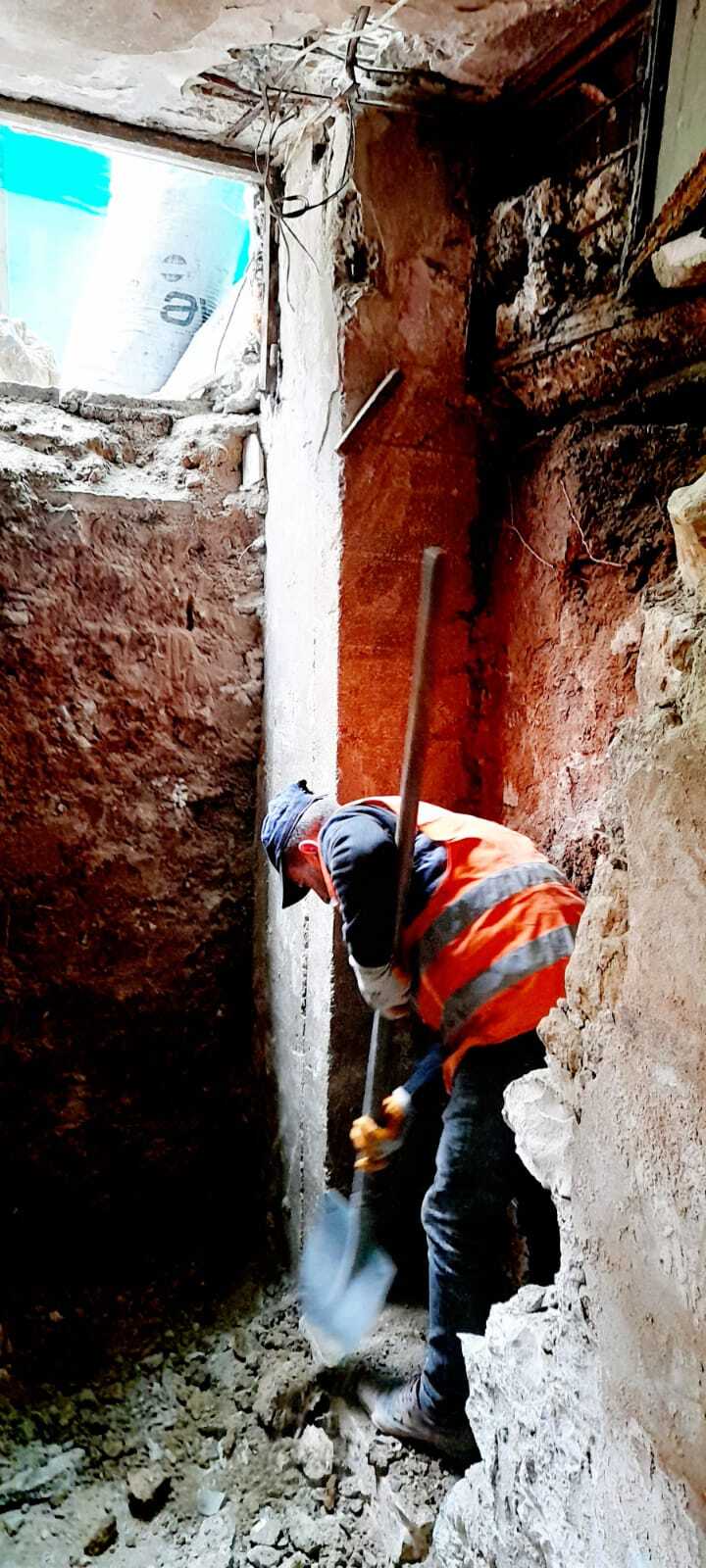
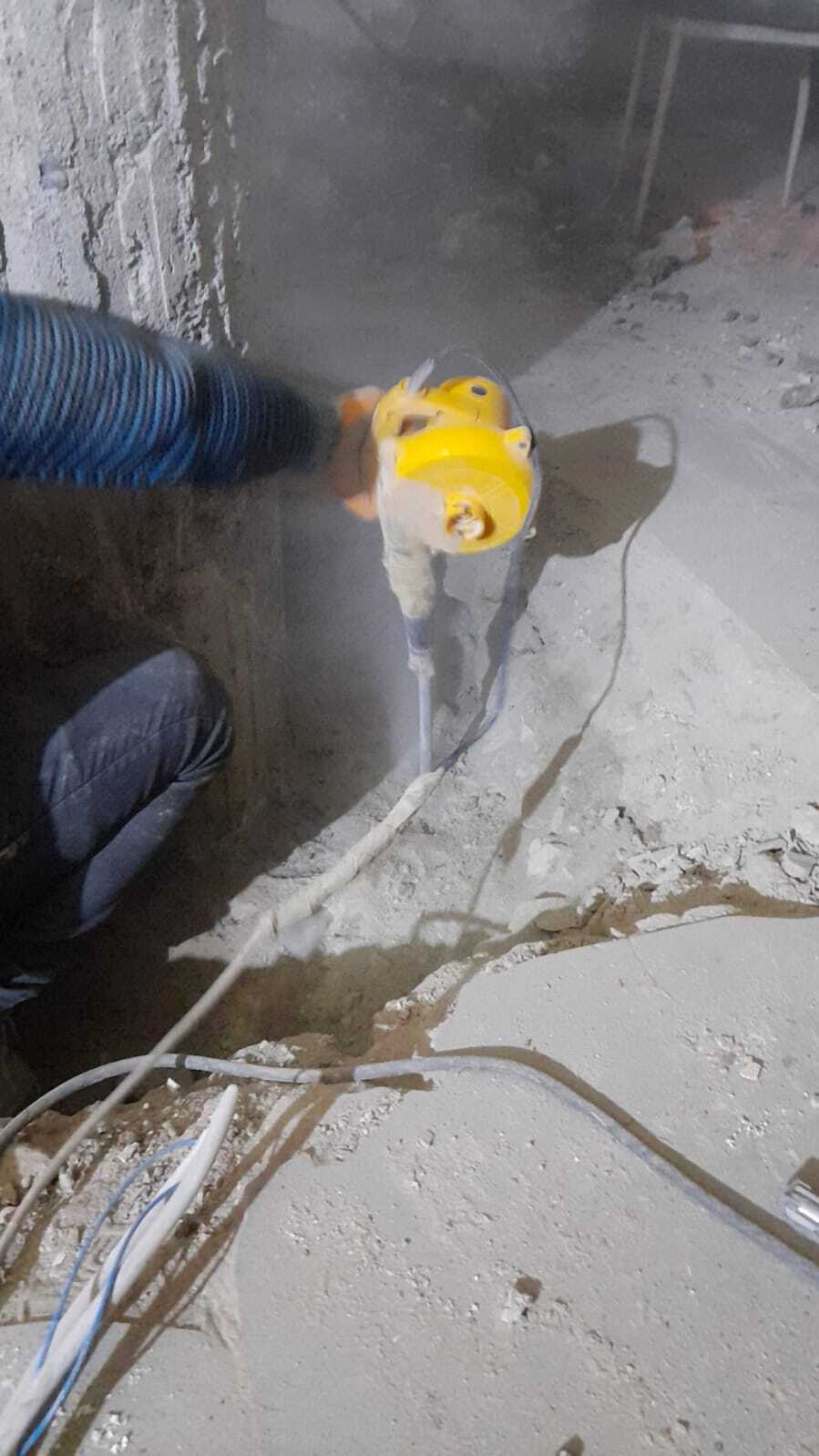
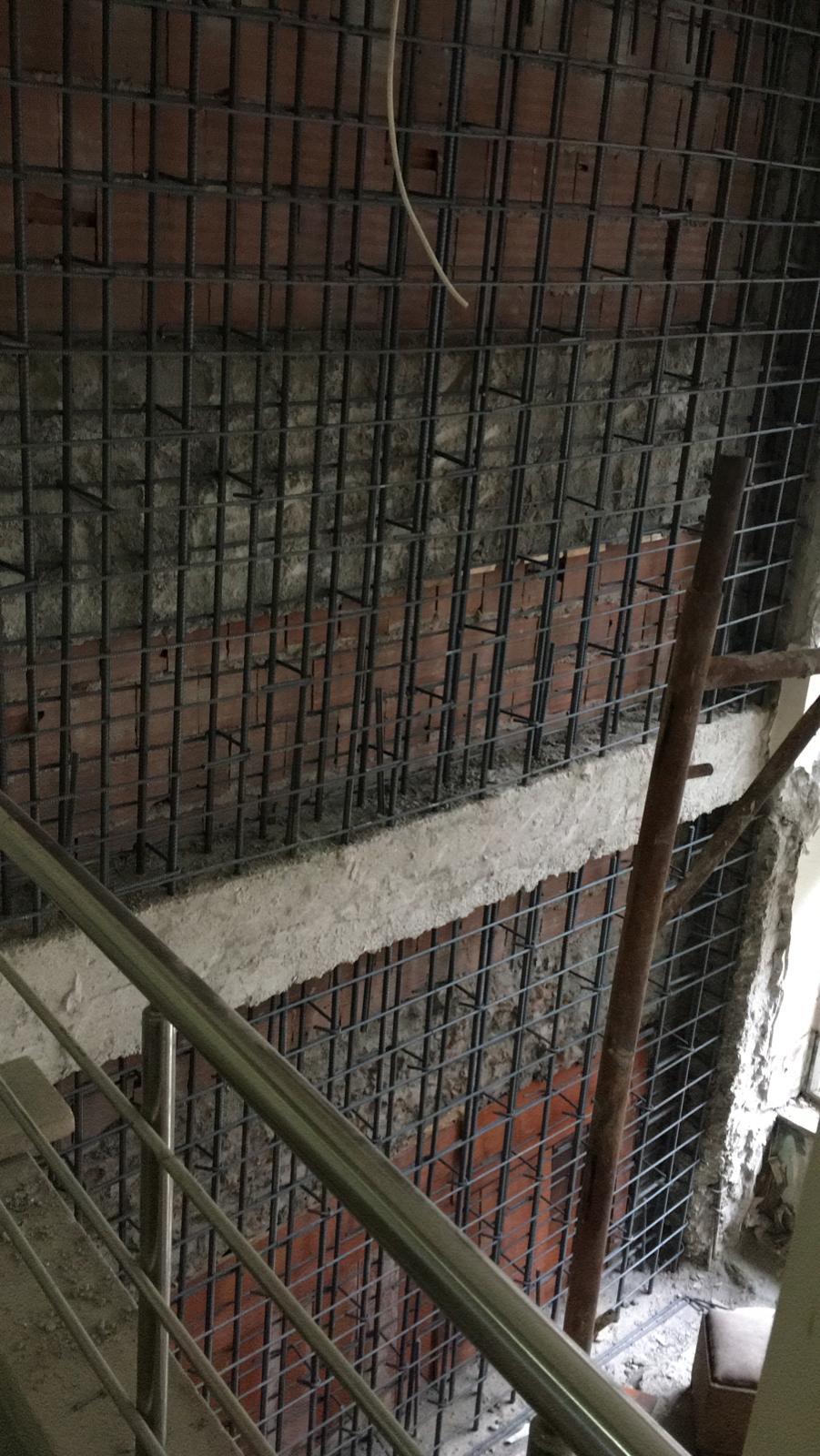
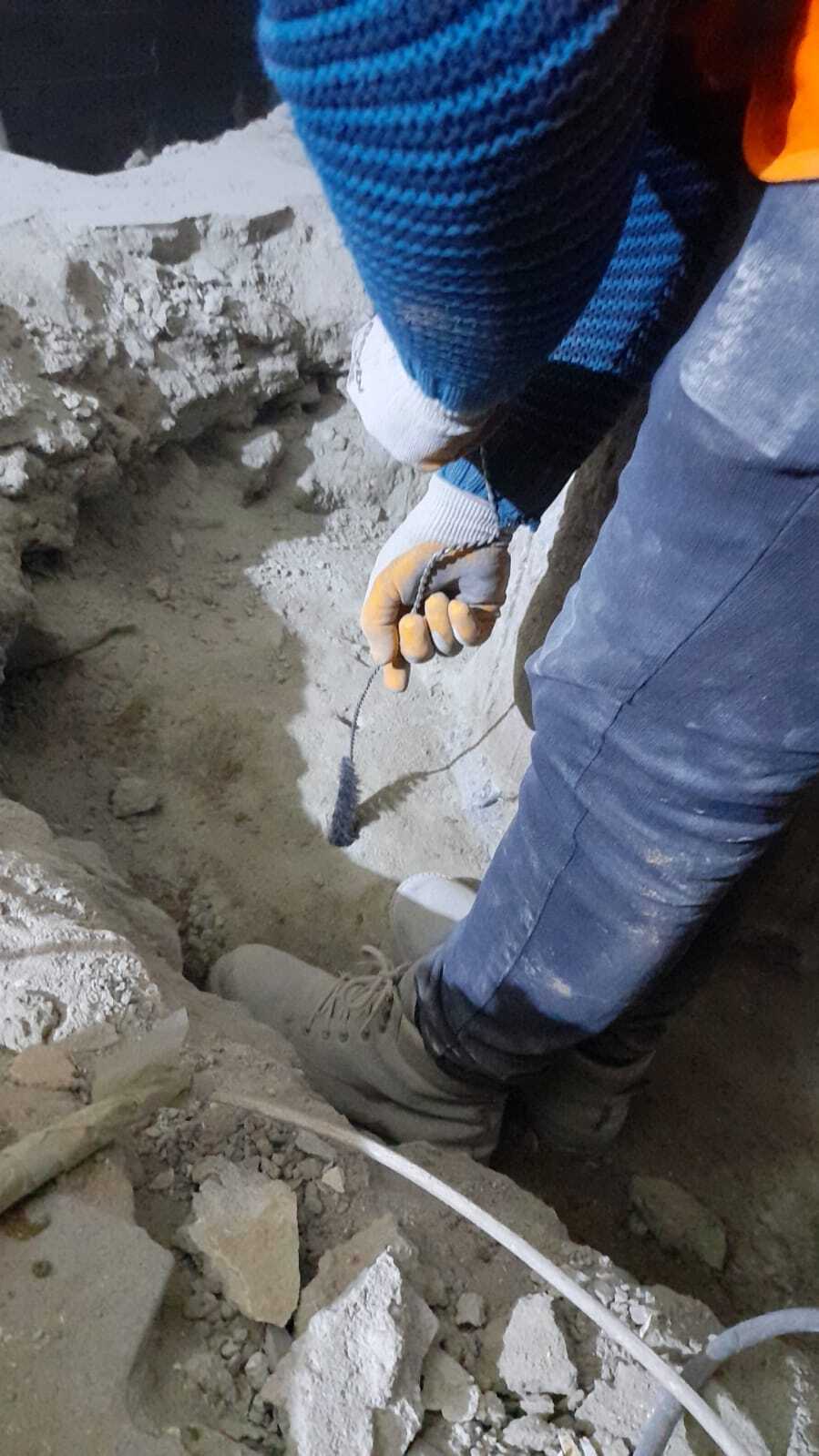
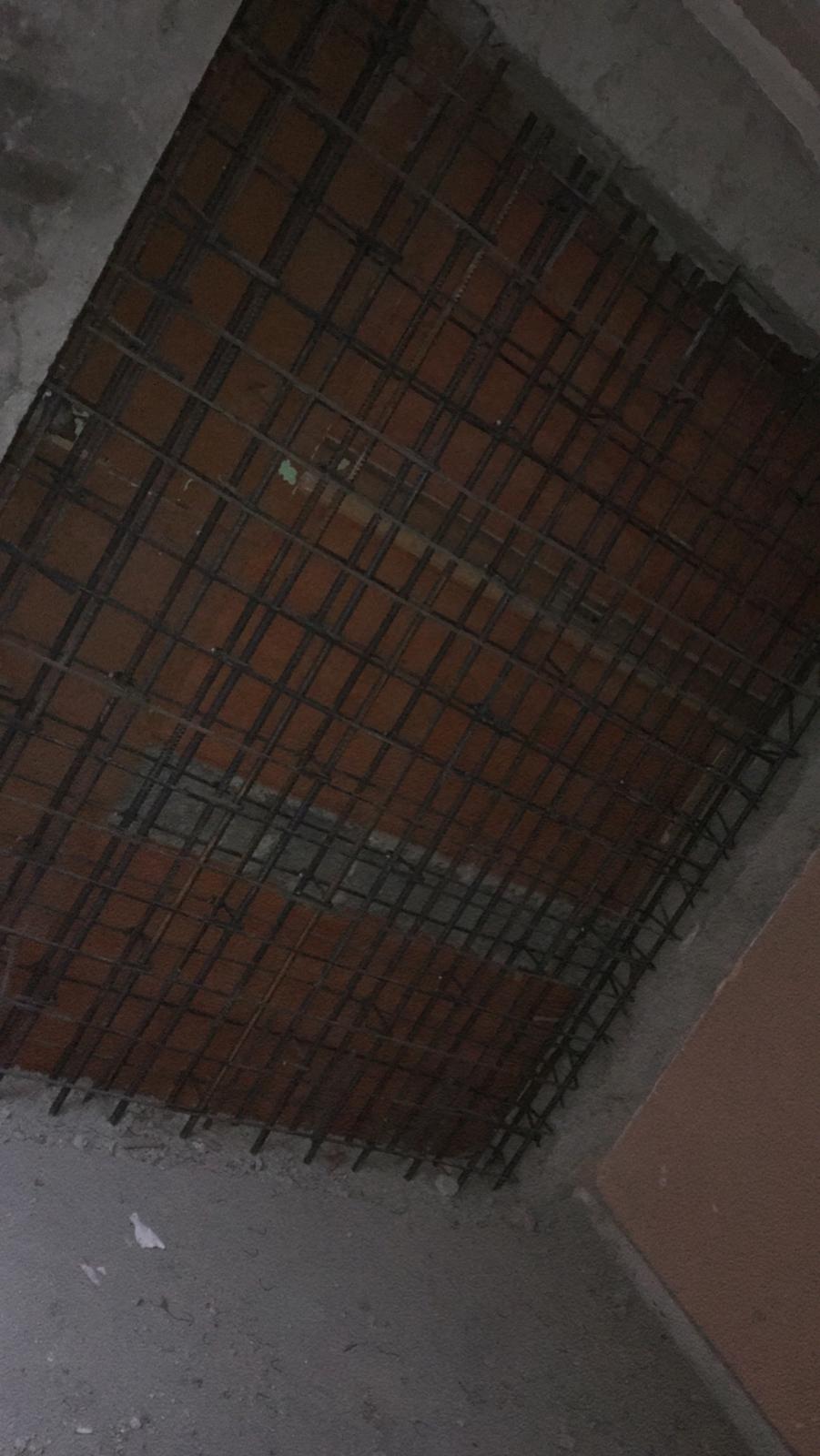
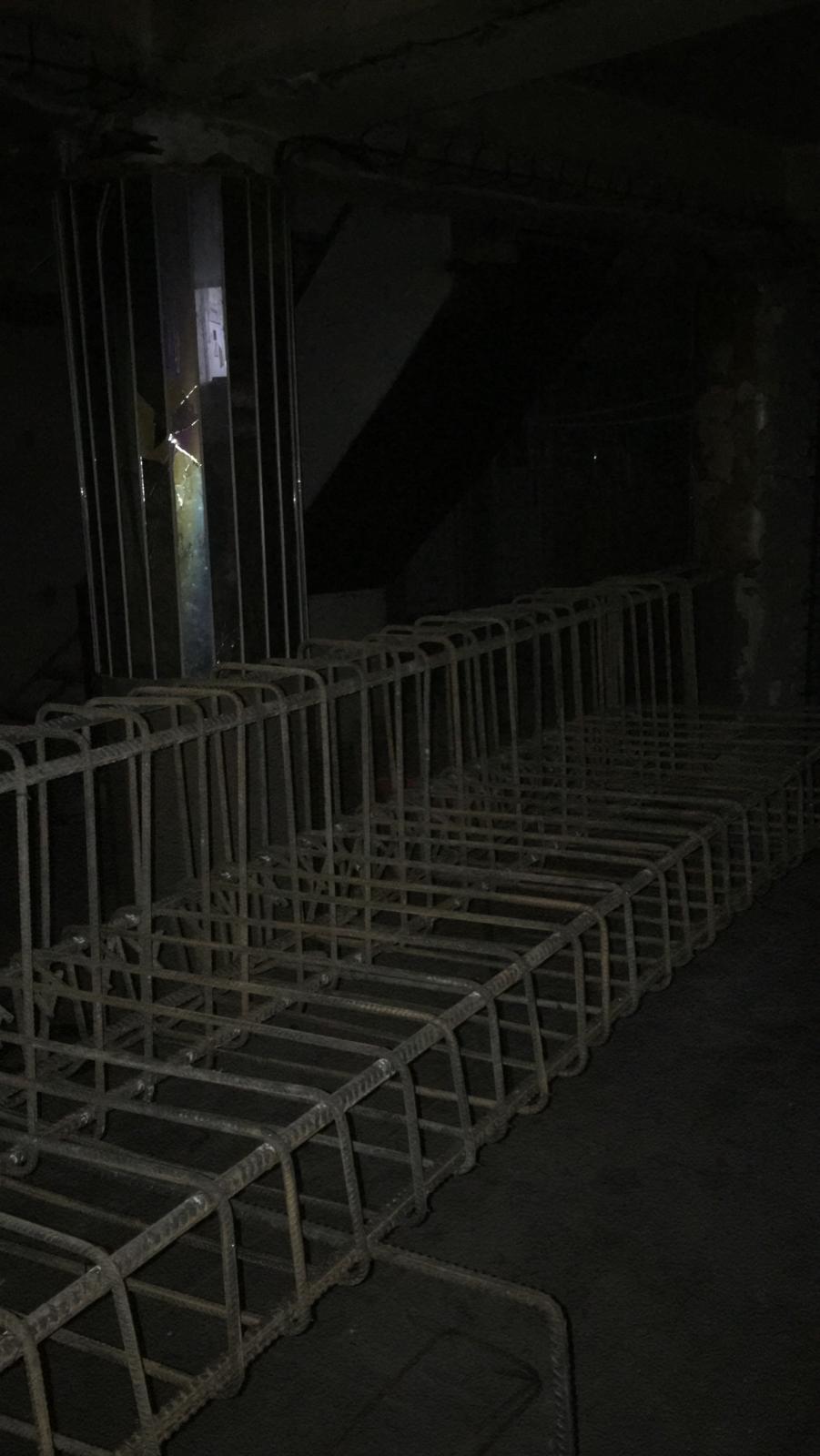
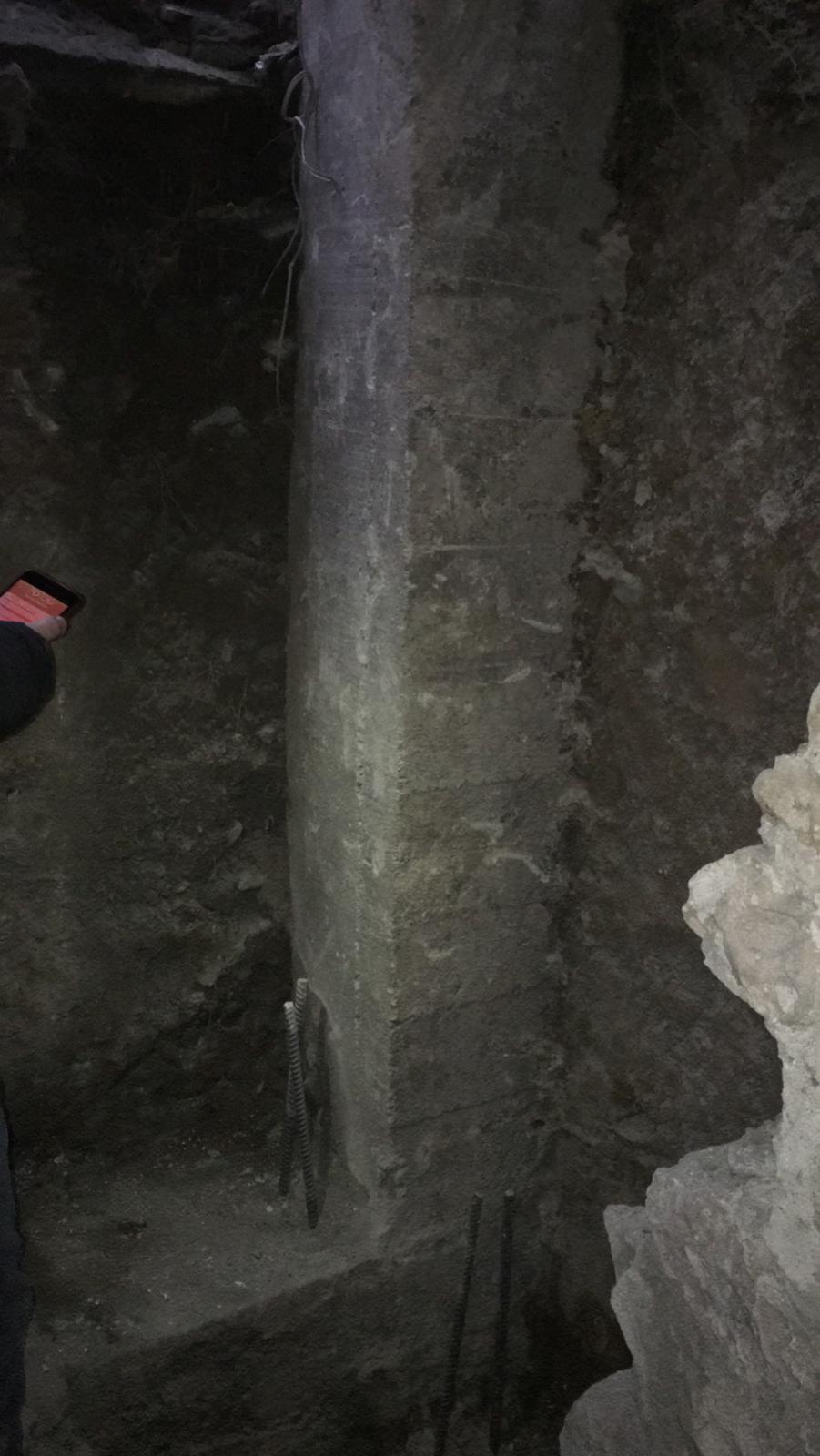
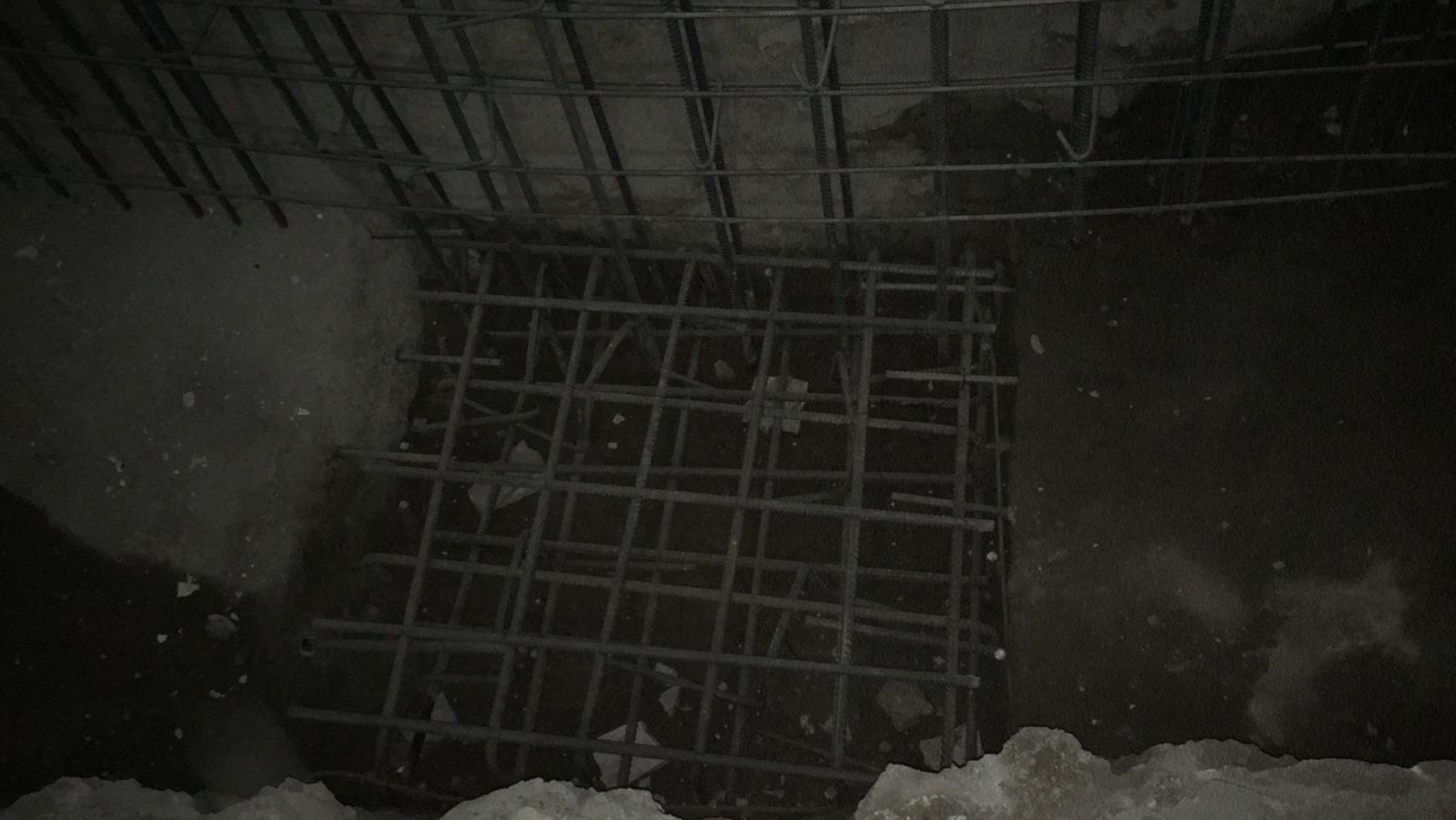
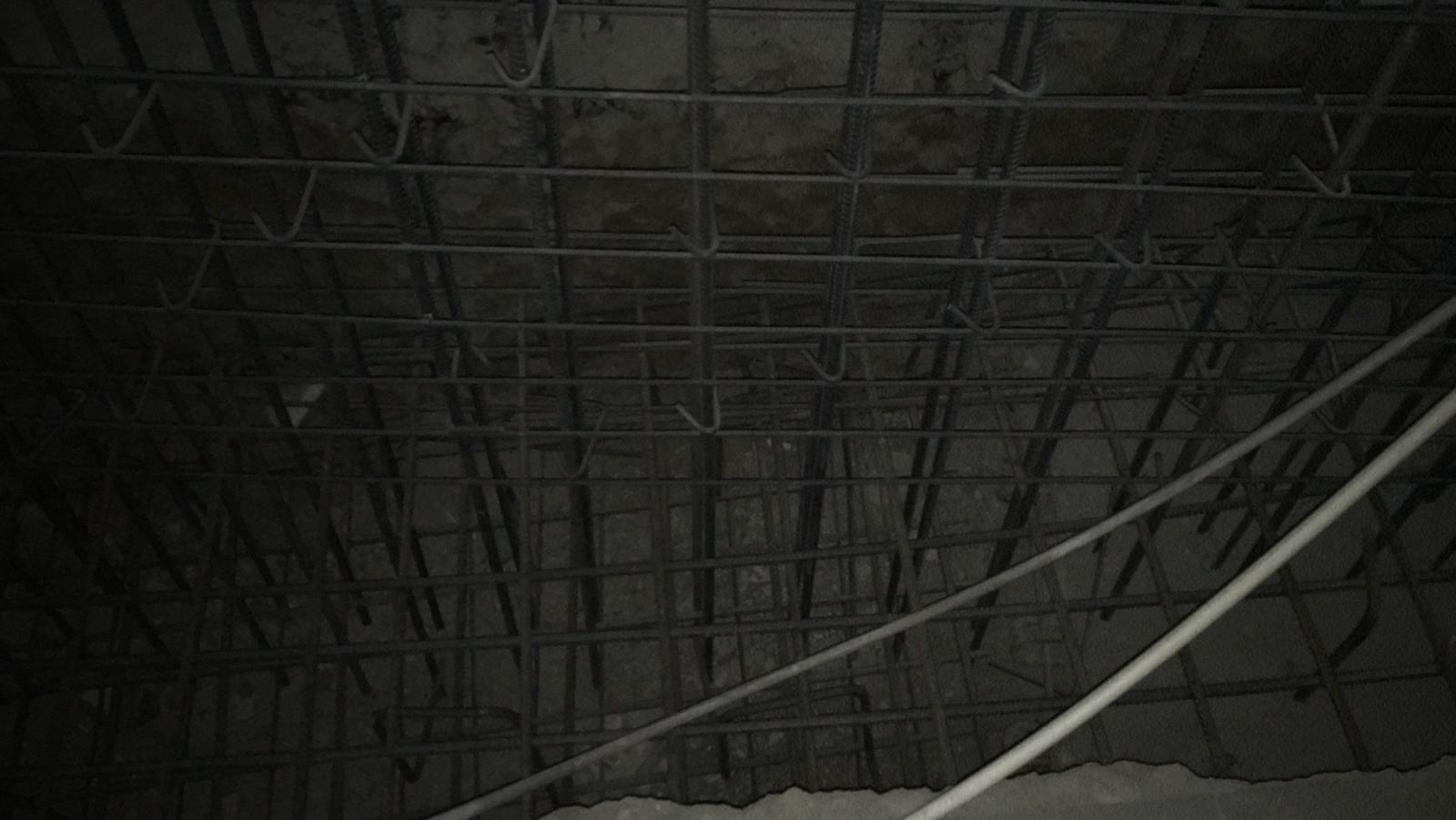
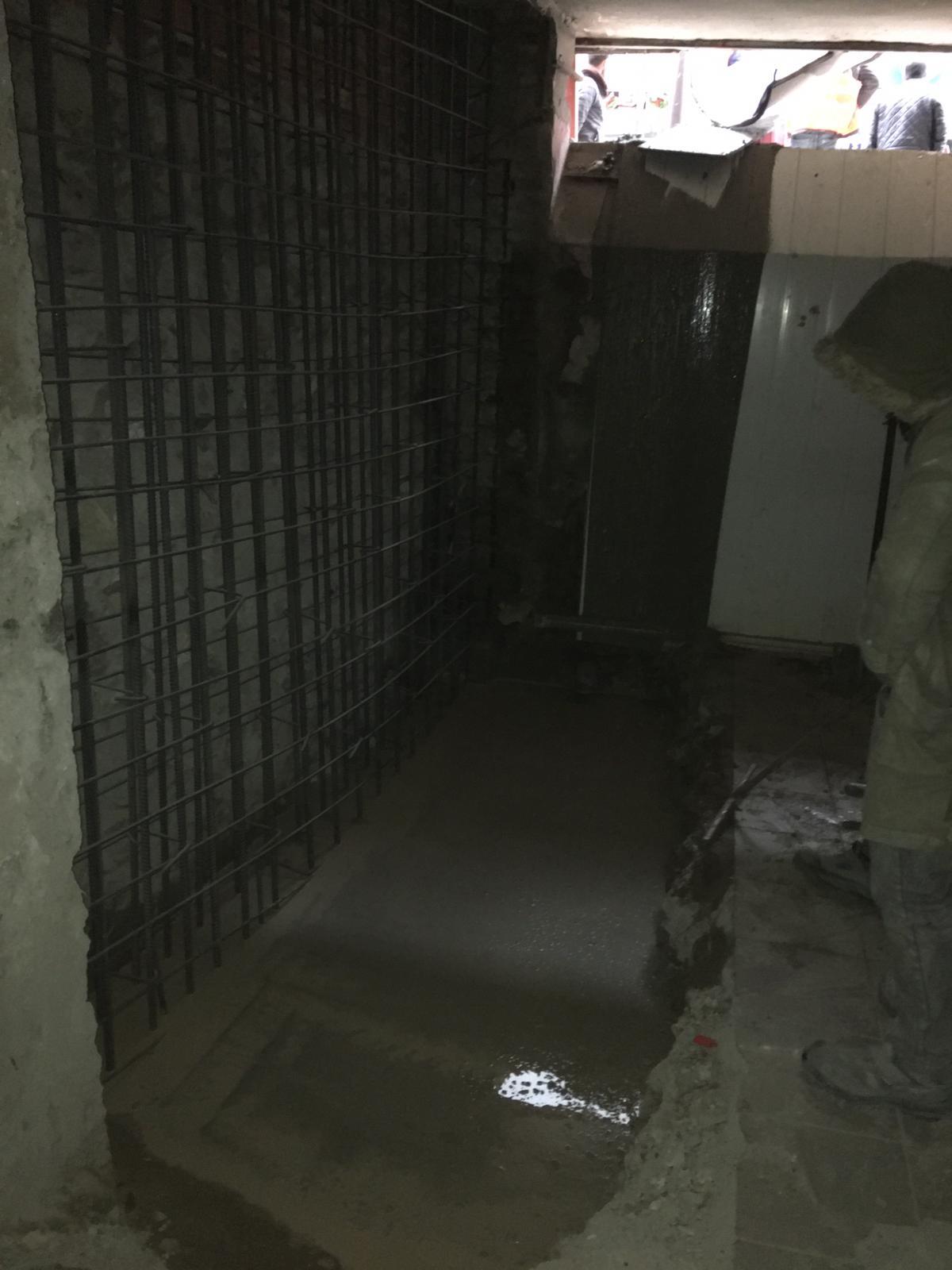
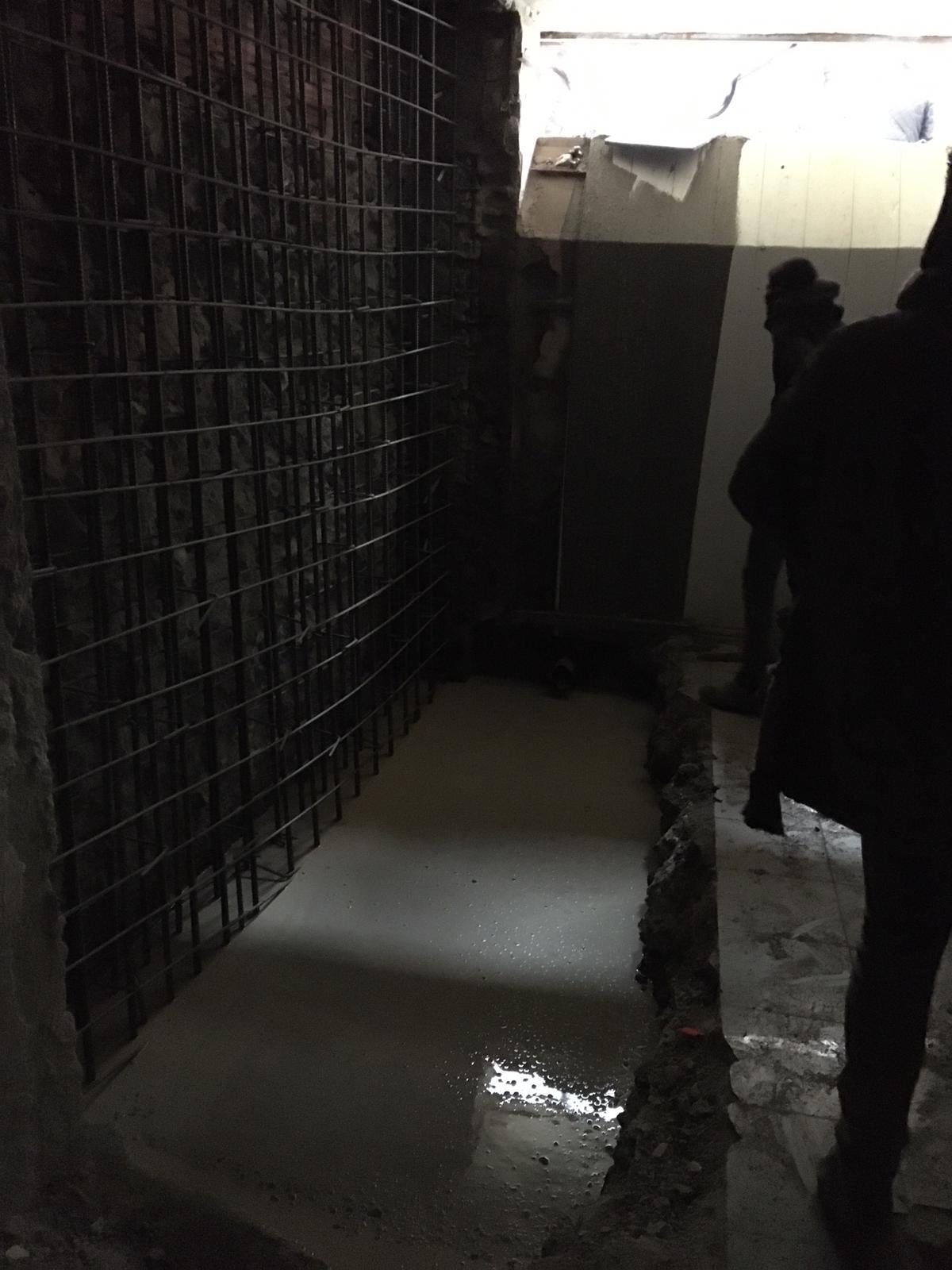
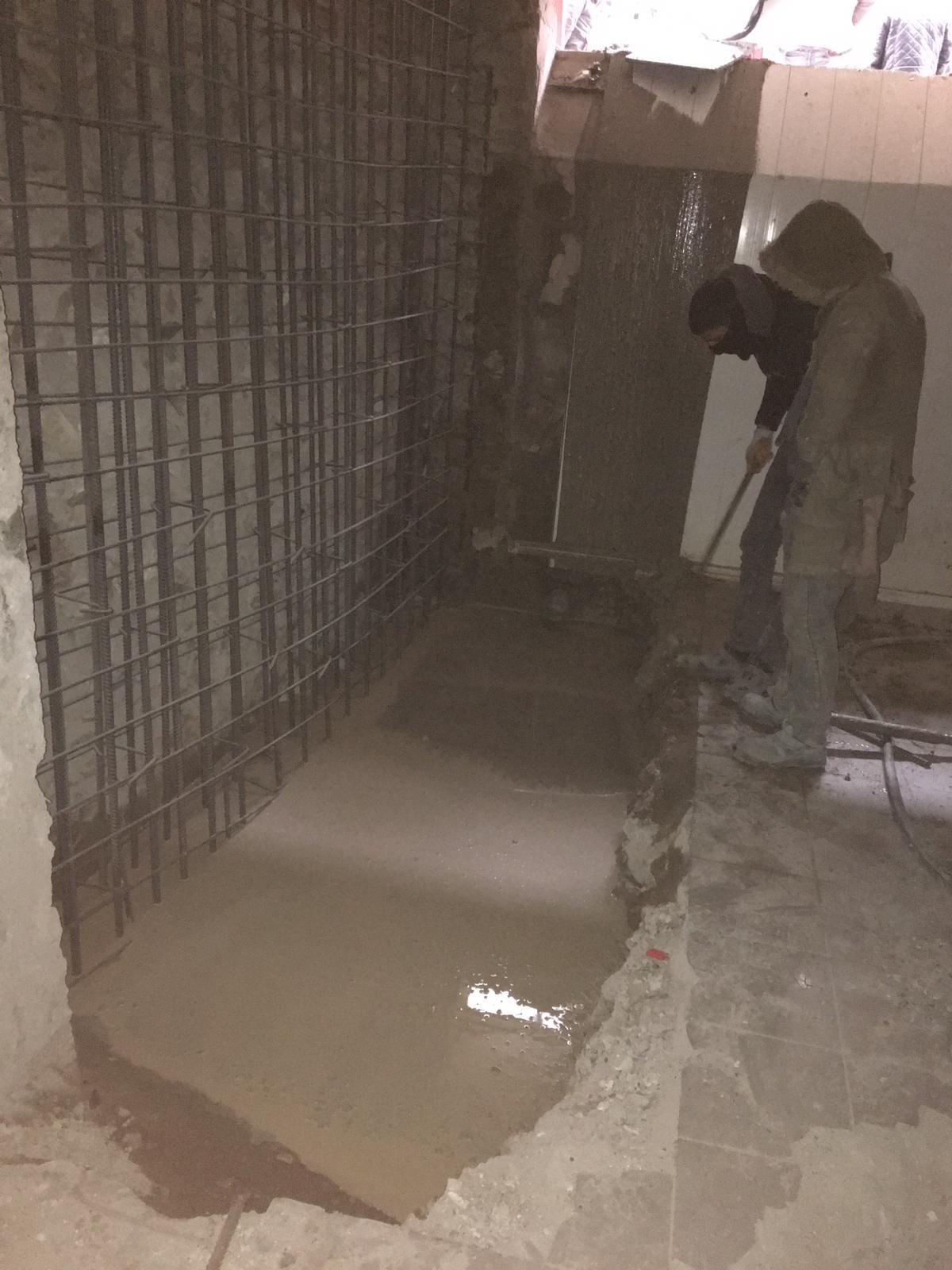
Passing Steel Cables and Rods Through Vertical Core Drilling
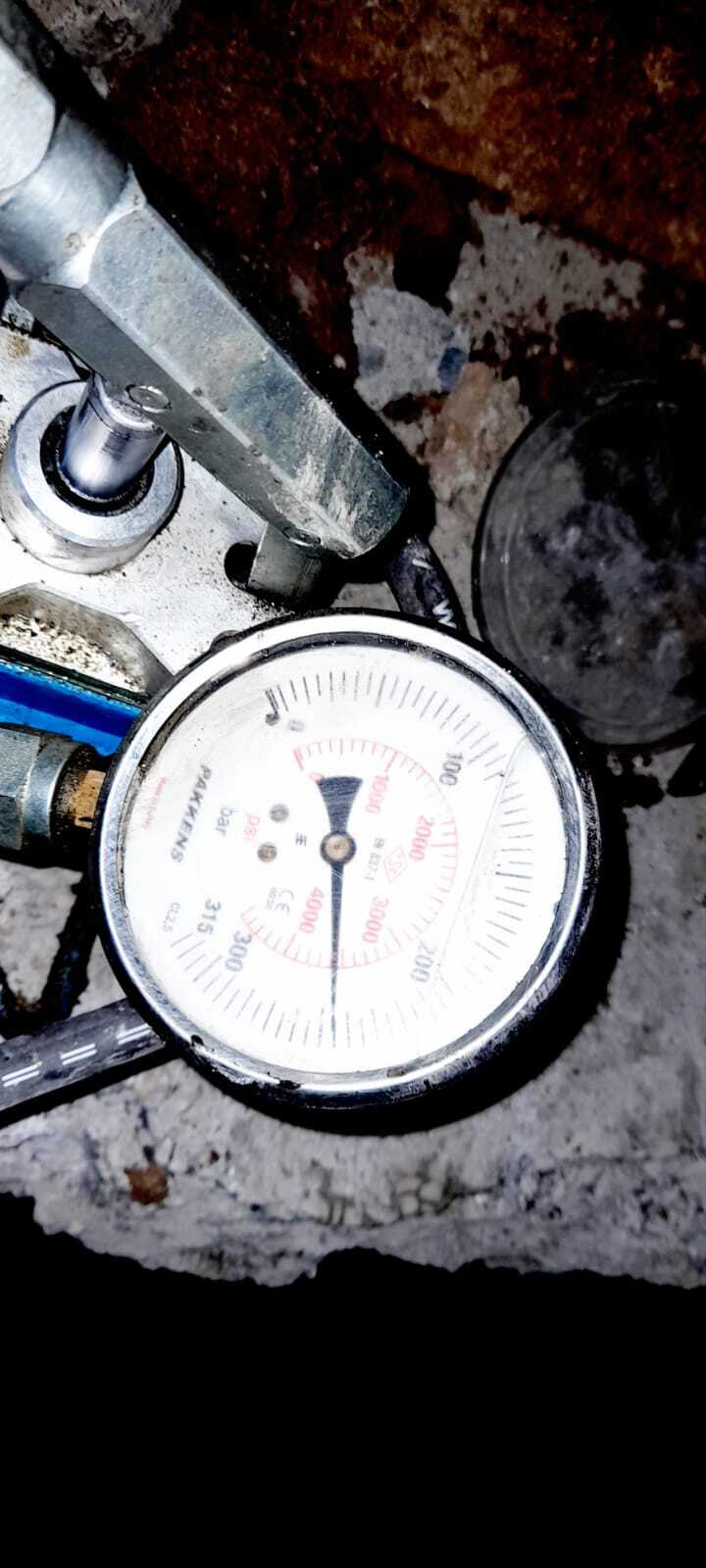
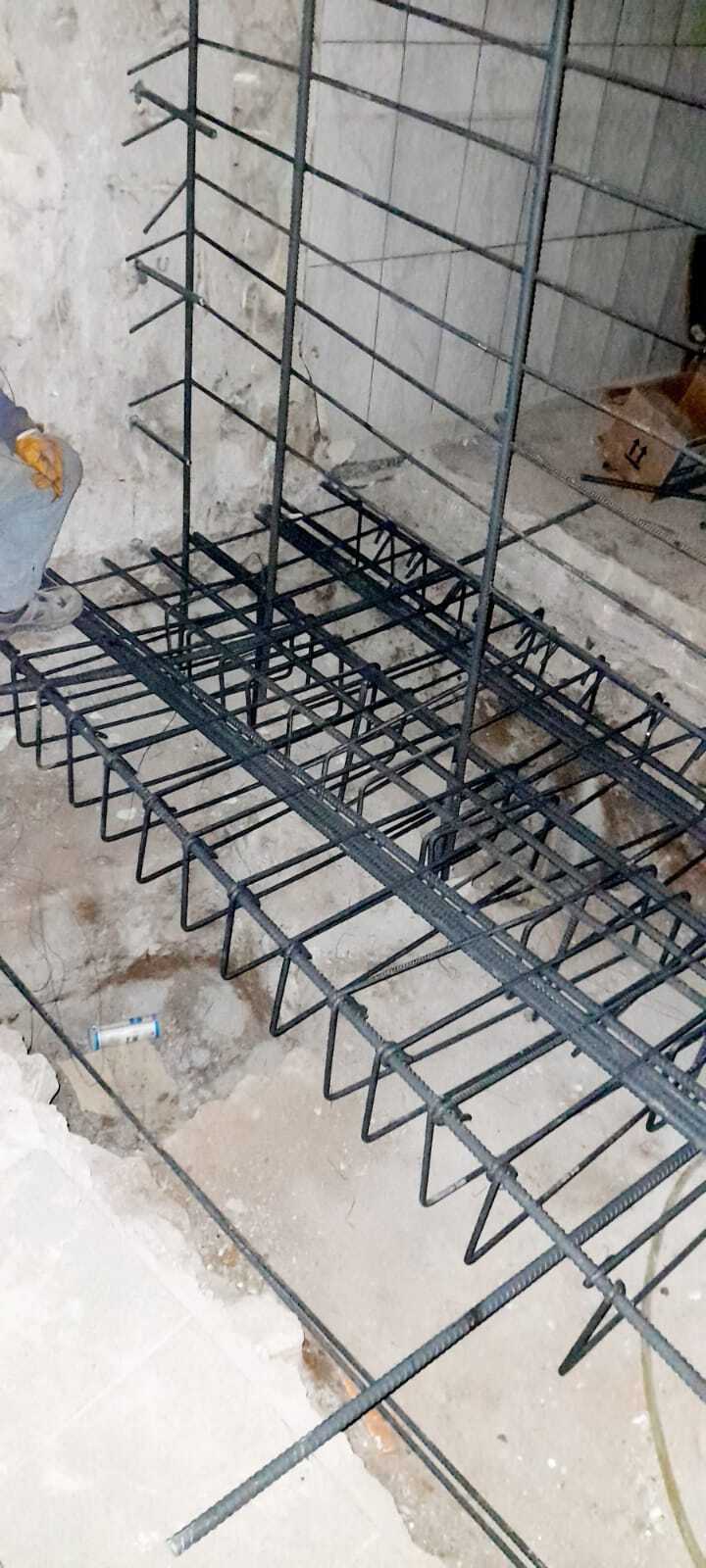
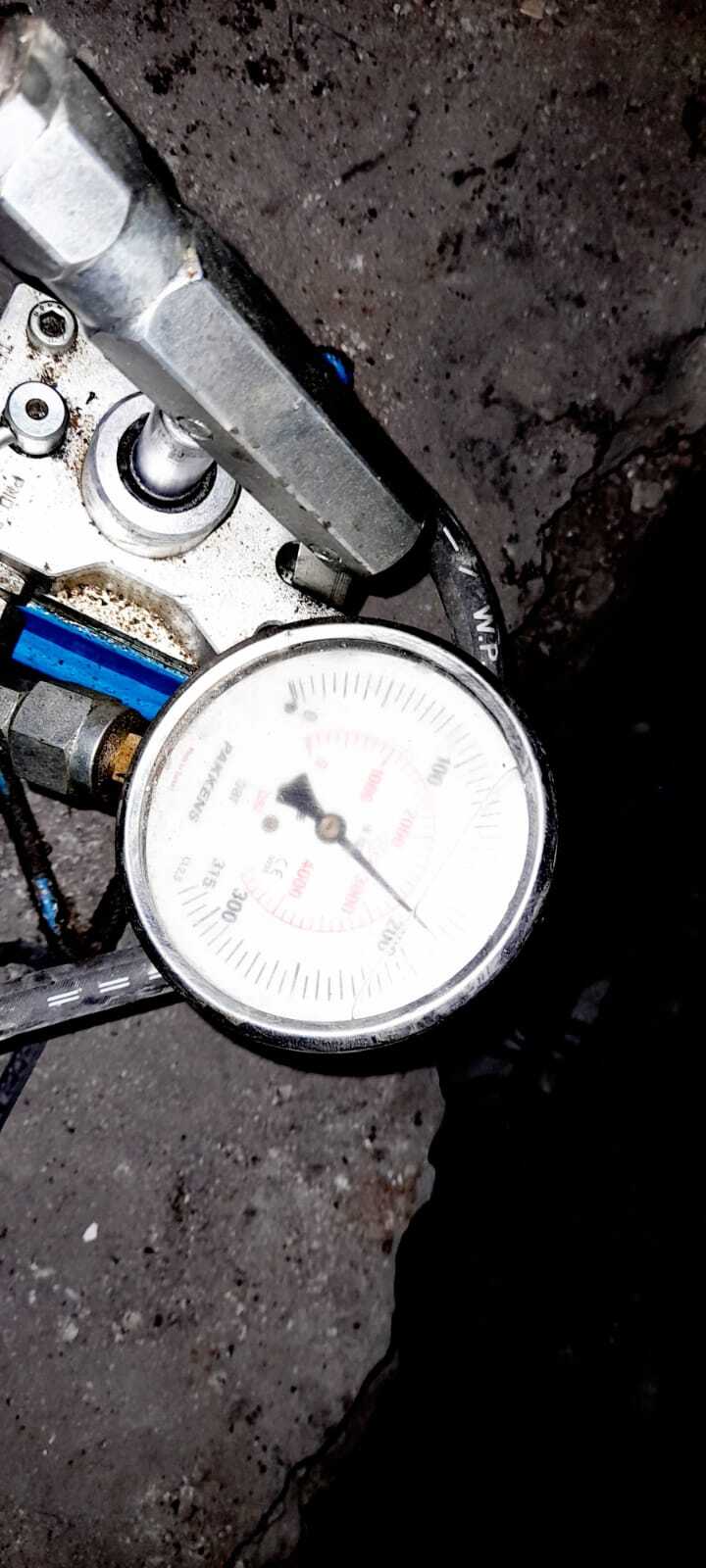
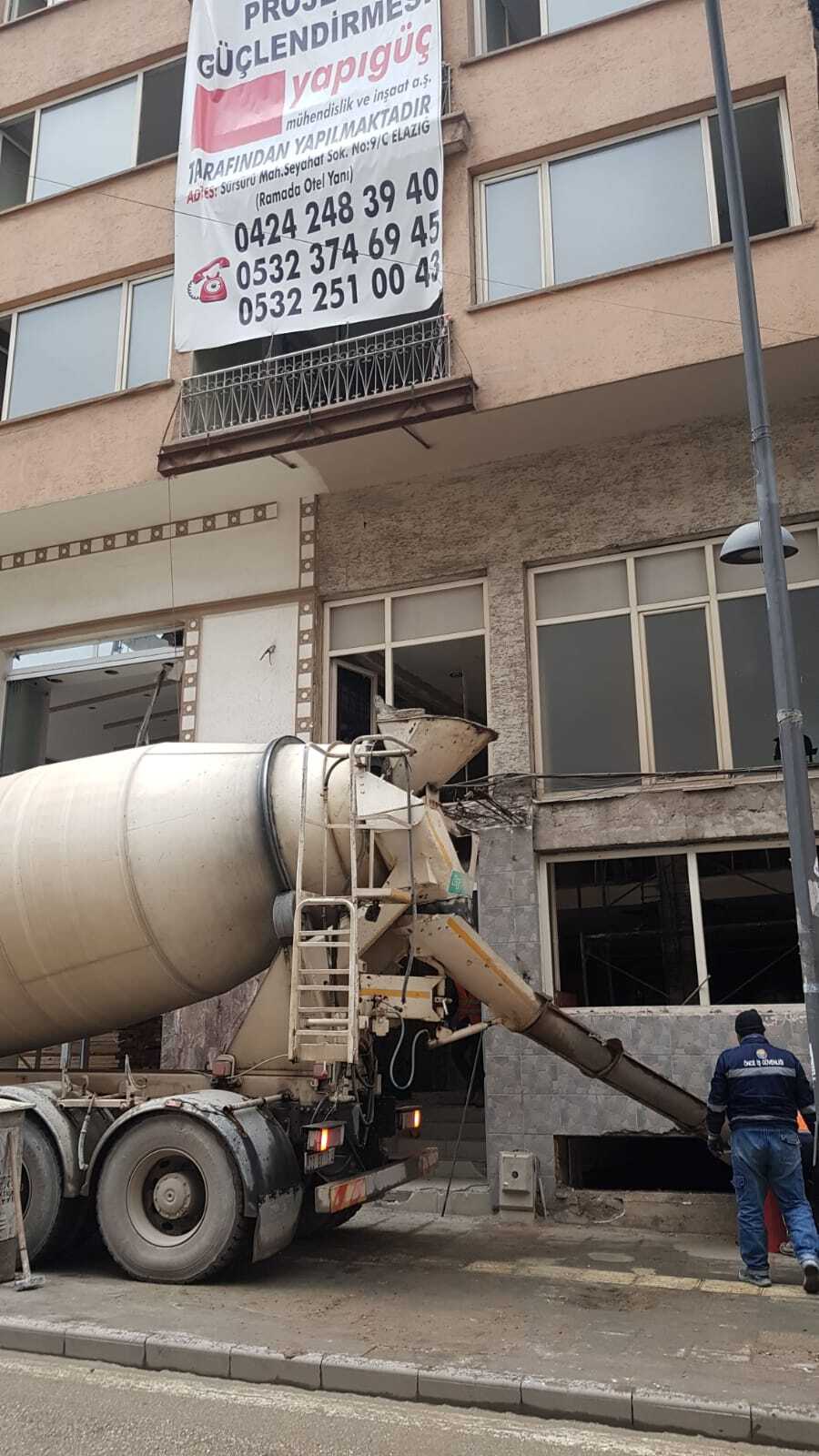
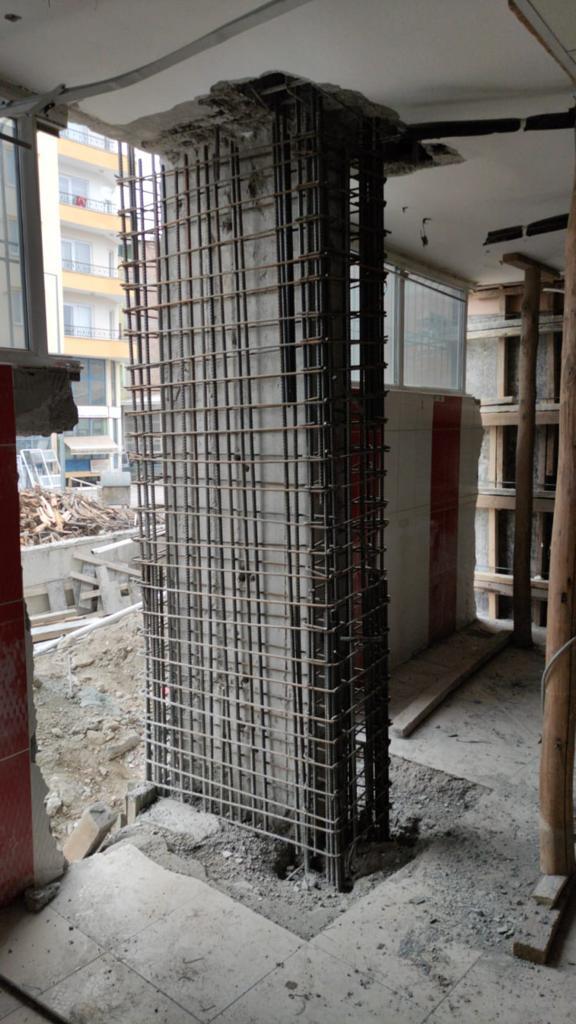
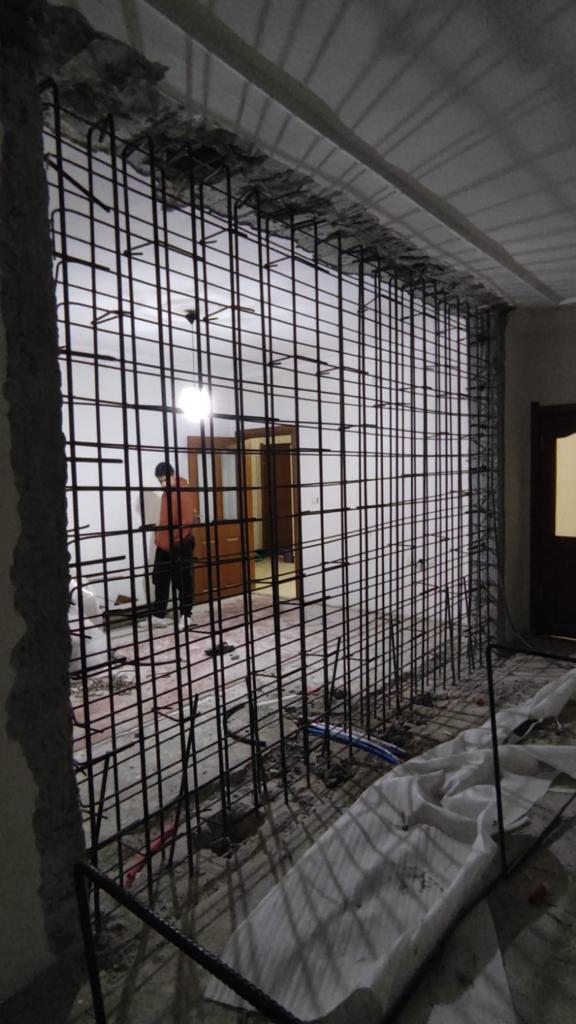
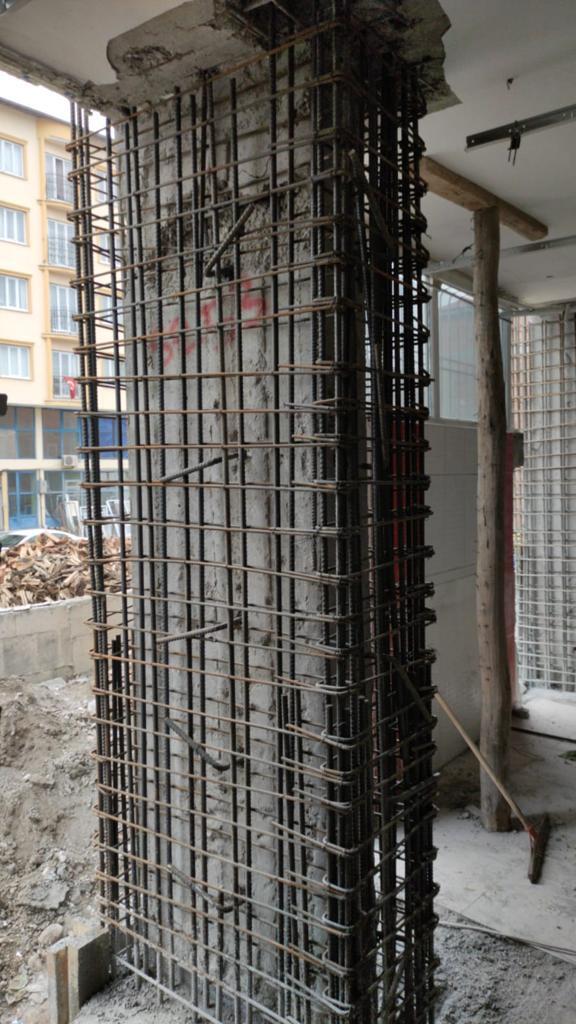
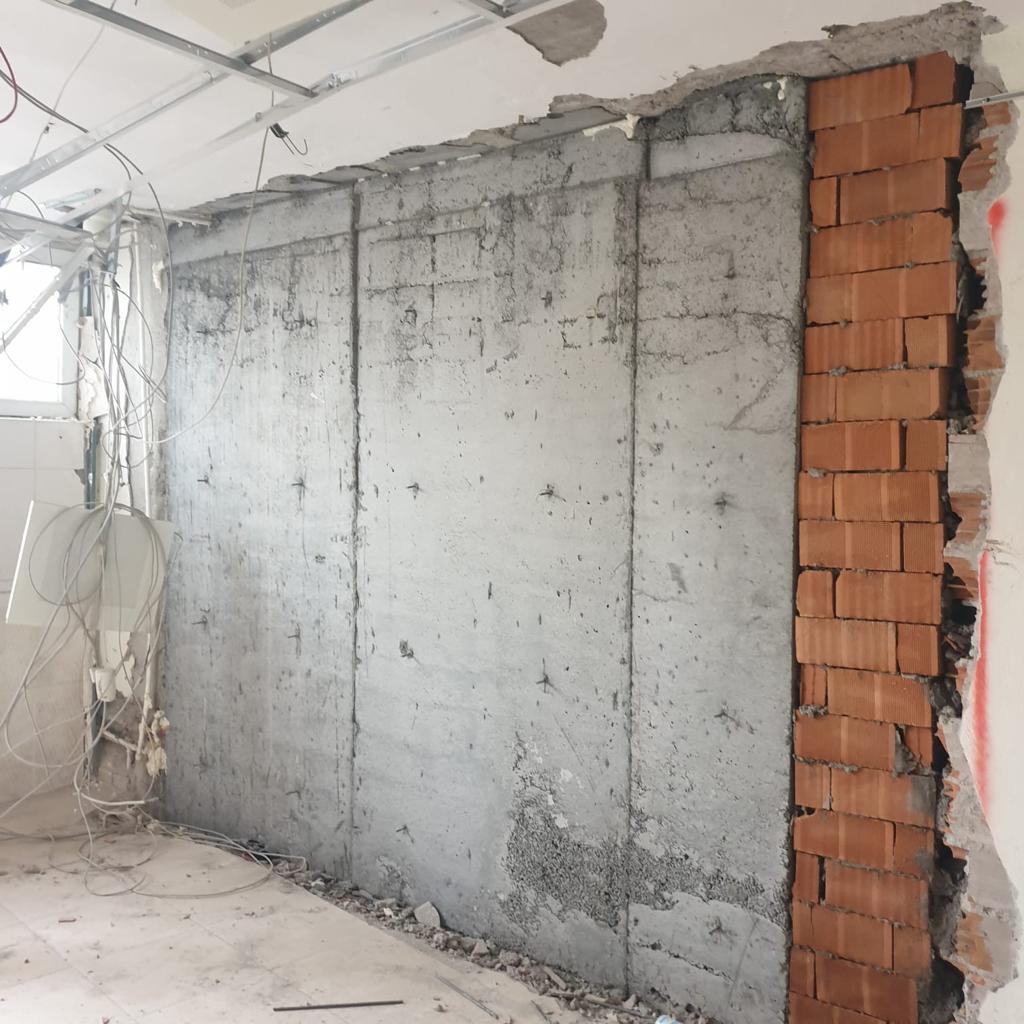
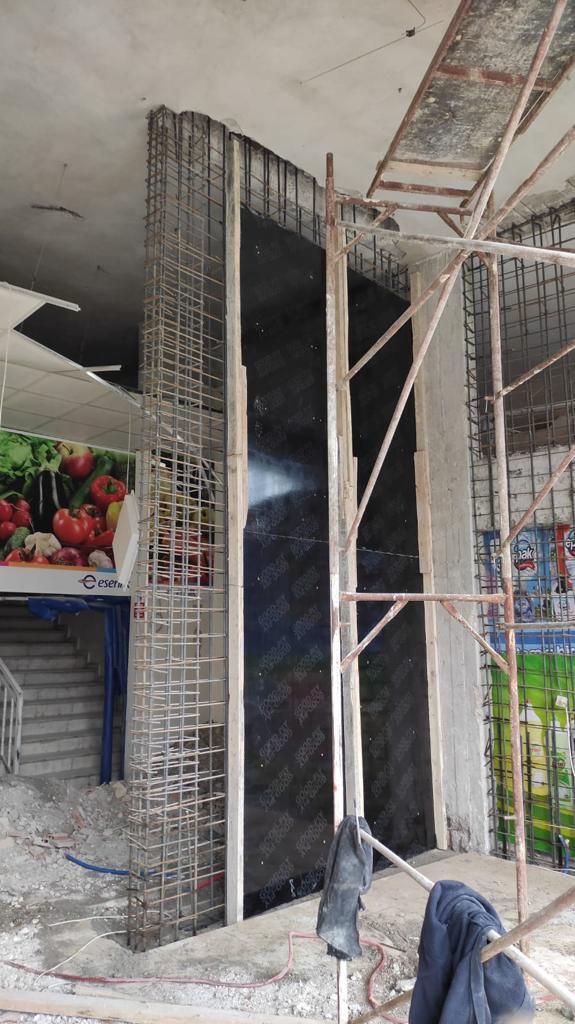
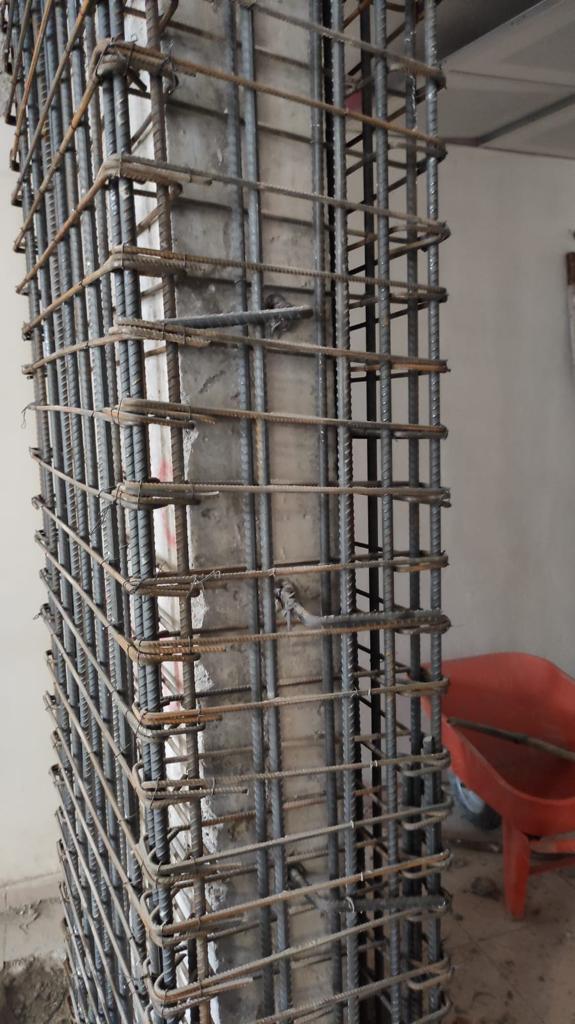
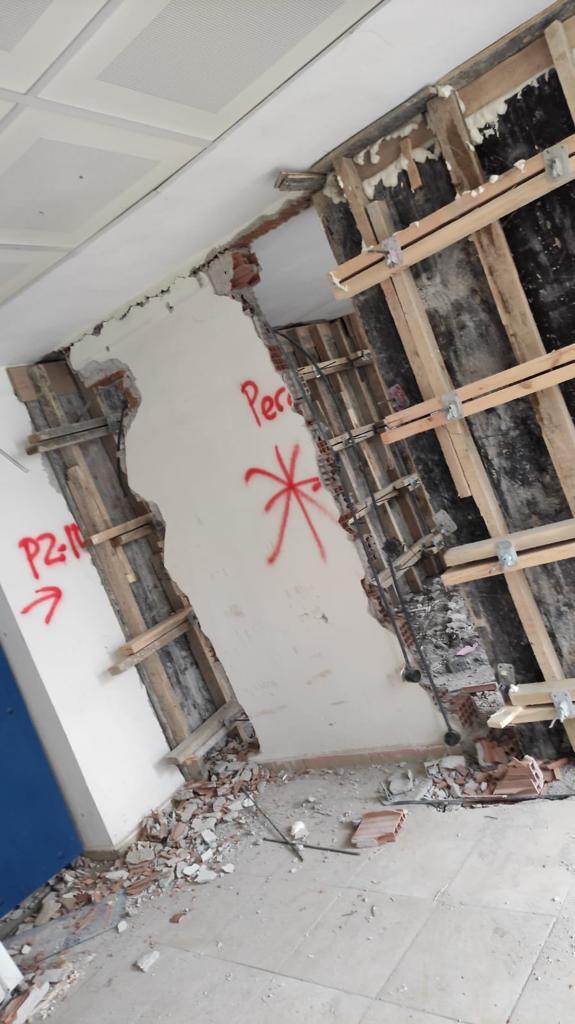
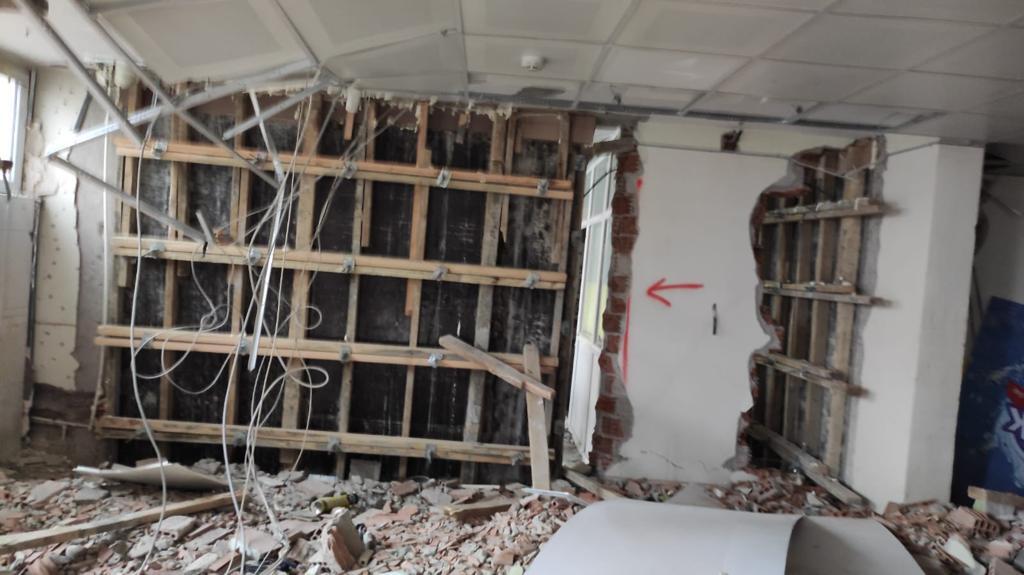
We offer vertical core drilling, steel cable and stainless steel rod placement services in reinforced concrete elements for tensioning applications ranging from 10 to 30 meters in length. With our high-precision drilling technology and engineering team, we safely strengthen your structures.
about us
Yapıgüç ash Our Services
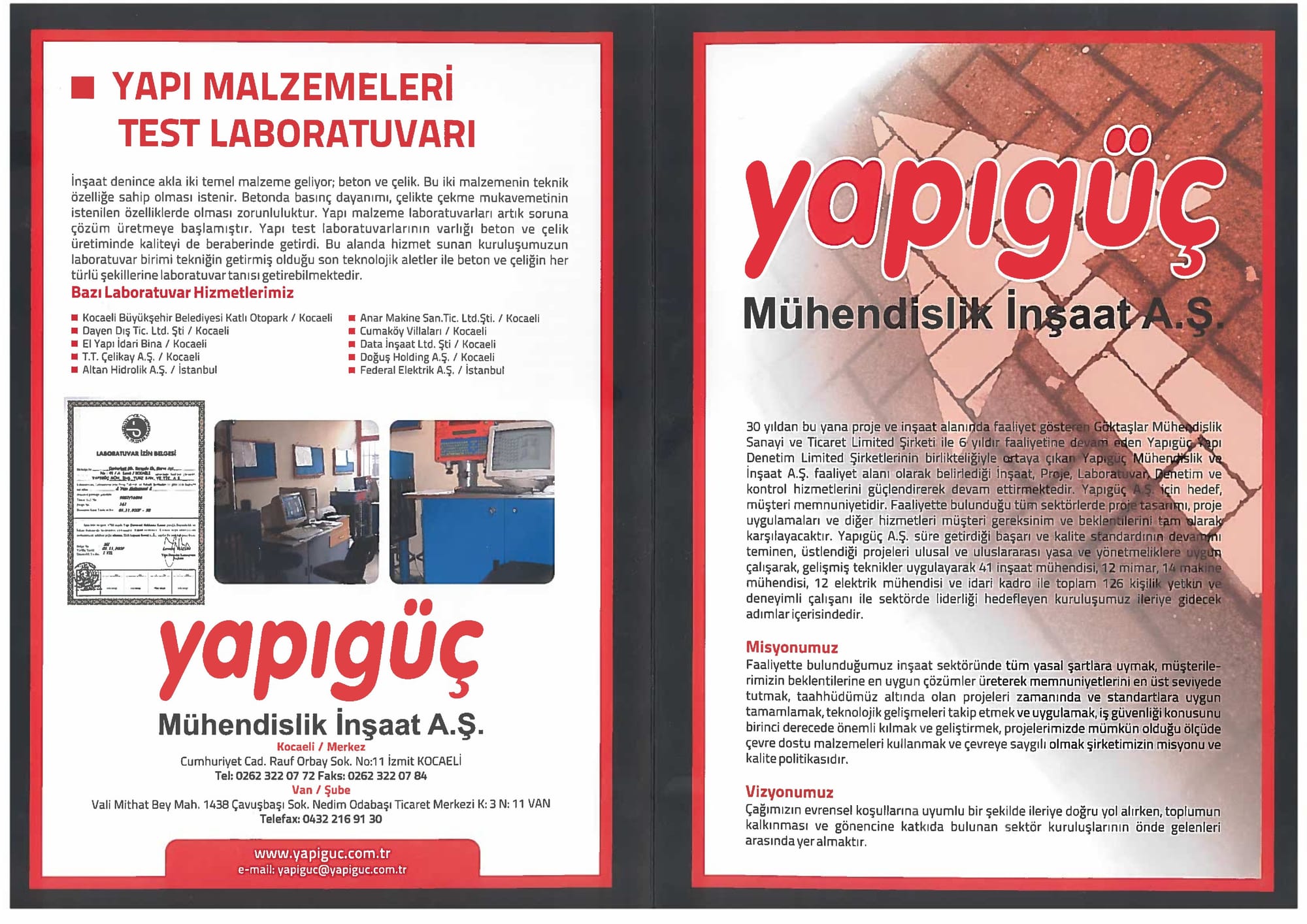
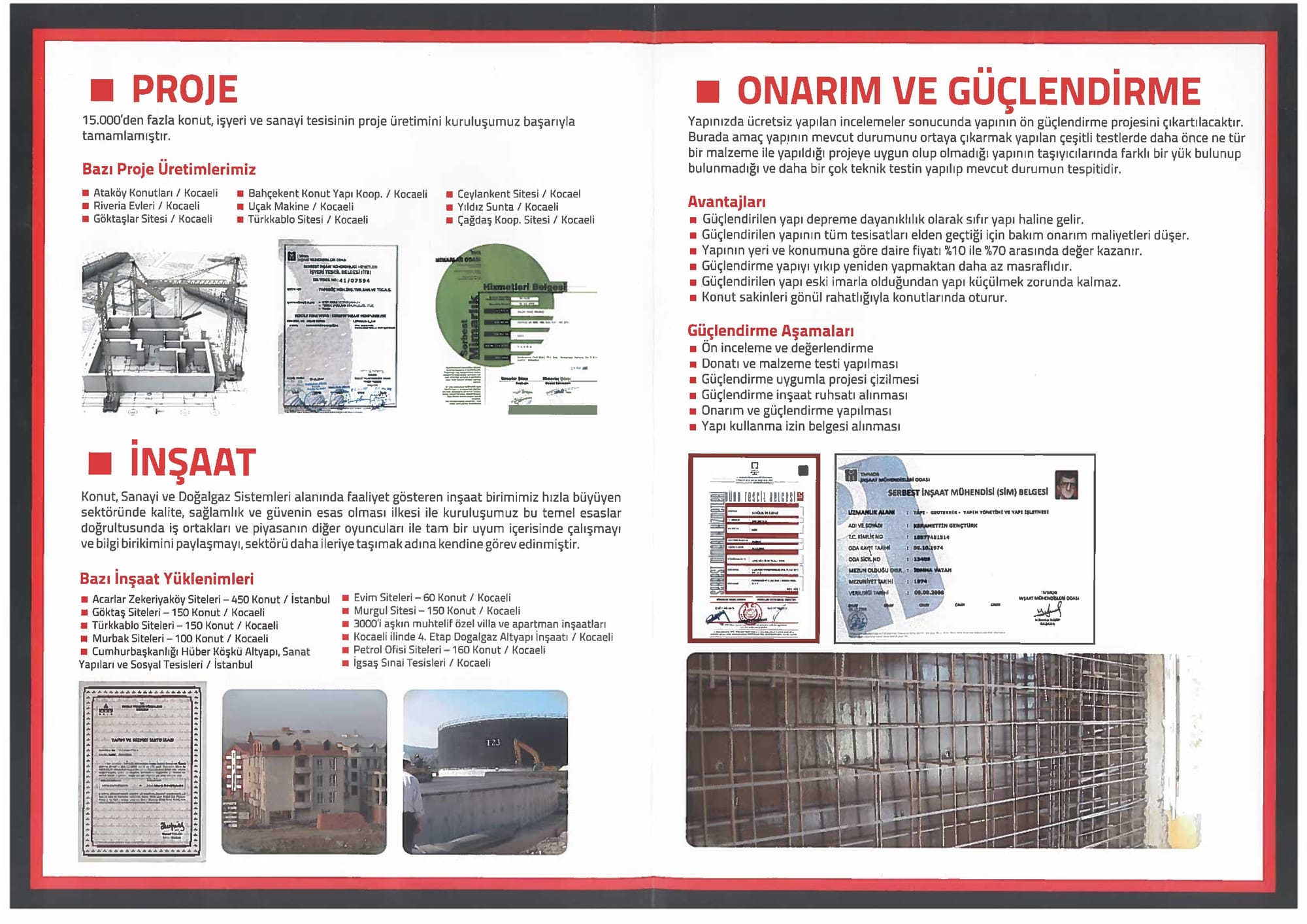
30 yılı aşkın süredir proje ve inşaat alanında faaliyet gösteren Gök Yıl Mühendislik ve yapıgüç müşavirlik a.ş ile 10 yıldır faaliyette olan yapıgüç Mühendislik A.Ş.’nin birlikteliğiyle ortaya çıkan kuruluşumuz, faaliyet alanı olarak belirlediği inşaat,proje,laboratuvar,denetim ve kontrol hizmetlerini güçlendirerek devam ettirmektedir. yapıgüç A.Ş. için hedef müşteri memnuniyetidir. Faaliyette bulunduğu tüm sektörlerde proje tasarımı,proje uygulamaları ve diğer hizmetleri ile müşteri gereksinim ve beklentilerini tam olarak karşılayacaktır.
yapıgüç A.Ş. süre getirdiği başarı ve kalite standardının devamını teminen, üstendiği projeleri ulusal ve uluslararası yasa ve yönetmeliklere uygun çalışarak, gelişmiş teknikler uygulayarak, yetkin kadrosuyla sektörde liderliği hedeflemektedir.
Misyonumuz
Faaliyette bulunduğumuz inşaat sektöründe tüm yasal şartlara uymak, müşterilerimizin beklentilerine en uygun çözümleri üreterek memnuniyetlerini en üst seviyede tutmak, taahhüdümüz altında olan projeleri zamanında ve standartlara uygun tamamlamak, teknolojik gelişmeleri takip etmek ve uygulamak, iş güvenliği konusunu birinci derecede önemli kılmak ve geliştirmek, projelerimizde mümkün olduğu ölçüde çevre dostu malzemeleri kullanmak ve çevreye saygılı olmaktır.
Vizyonumuz
Çağımızın evrensel koşullarına uyumlu bir şekilde ileriye doğru yol alırken, toplumun kalkınması ve gönencine katkıda bulunan sektör kuruluşlarının önde gelenleri arasında yer almaktır.
yapıgüç A.Ş. süre getirdiği başarı ve kalite standardının devamını teminen, üstendiği projeleri ulusal ve uluslararası yasa ve yönetmeliklere uygun çalışarak, gelişmiş teknikler uygulayarak, yetkin kadrosuyla sektörde liderliği hedeflemektedir.
Misyonumuz
Faaliyette bulunduğumuz inşaat sektöründe tüm yasal şartlara uymak, müşterilerimizin beklentilerine en uygun çözümleri üreterek memnuniyetlerini en üst seviyede tutmak, taahhüdümüz altında olan projeleri zamanında ve standartlara uygun tamamlamak, teknolojik gelişmeleri takip etmek ve uygulamak, iş güvenliği konusunu birinci derecede önemli kılmak ve geliştirmek, projelerimizde mümkün olduğu ölçüde çevre dostu malzemeleri kullanmak ve çevreye saygılı olmaktır.
Vizyonumuz
Çağımızın evrensel koşullarına uyumlu bir şekilde ileriye doğru yol alırken, toplumun kalkınması ve gönencine katkıda bulunan sektör kuruluşlarının önde gelenleri arasında yer almaktır.